Why Smoking Is Back in the Pop Culture Conversation
Cigarettes are drifting back into pop culture again as a familiar symbol of coolness and carefully curated disaffection





- Cigarettes are reappearing across fashion, film, celebrity culture, and social media as a visual trend.
- Smoking rates remain historically low, but smoking aesthetics are becoming more visible online and onscreen.
- Cigarettes continue to function as cultural symbols tied to rebellion, coolness, nostalgia, and emotional detachment.
- Social media and celebrity imagery are helping normalize smoking visuals for younger audiences.
- Health experts warn that despite the aesthetic revival, the medical risks of smoking remain unchanged.
Why cigarettes are suddenly back in pop culture
For years, cigarettes seemed to be disappearing from mainstream culture. Smoking bans expanded across cities, anti-smoking campaigns became more aggressive, and younger generations largely moved toward wellness culture and vaping instead of traditional tobacco.
But recently, cigarettes have started reappearing in pop culture.

Not necessarily as a major behavioral comeback, according to current health data, but as a visible aesthetic trend across fashionFashionThe art and industry of designing, producing, and styling clothing, footwear, accessories, and beauty trends. It reflects cultural influences, personal expression, and evolving styles across seasons and markets.Go to Fashion Glossary, film, music, celebrity culture, and social media.
Cigarettes are showing up again in magazine editorials, movie scenes, paparazzi photos, and online imagery that frames smoking as stylish, rebellious, intimate, or emotionally detached.
The shift has sparked a cultural conversation: Why are cigarettes becoming visible again, even after decades of public awareness around their health risks?
READ ALSO: Is Print Cool Again? Why We Are Returning to Magazines and Physical Media
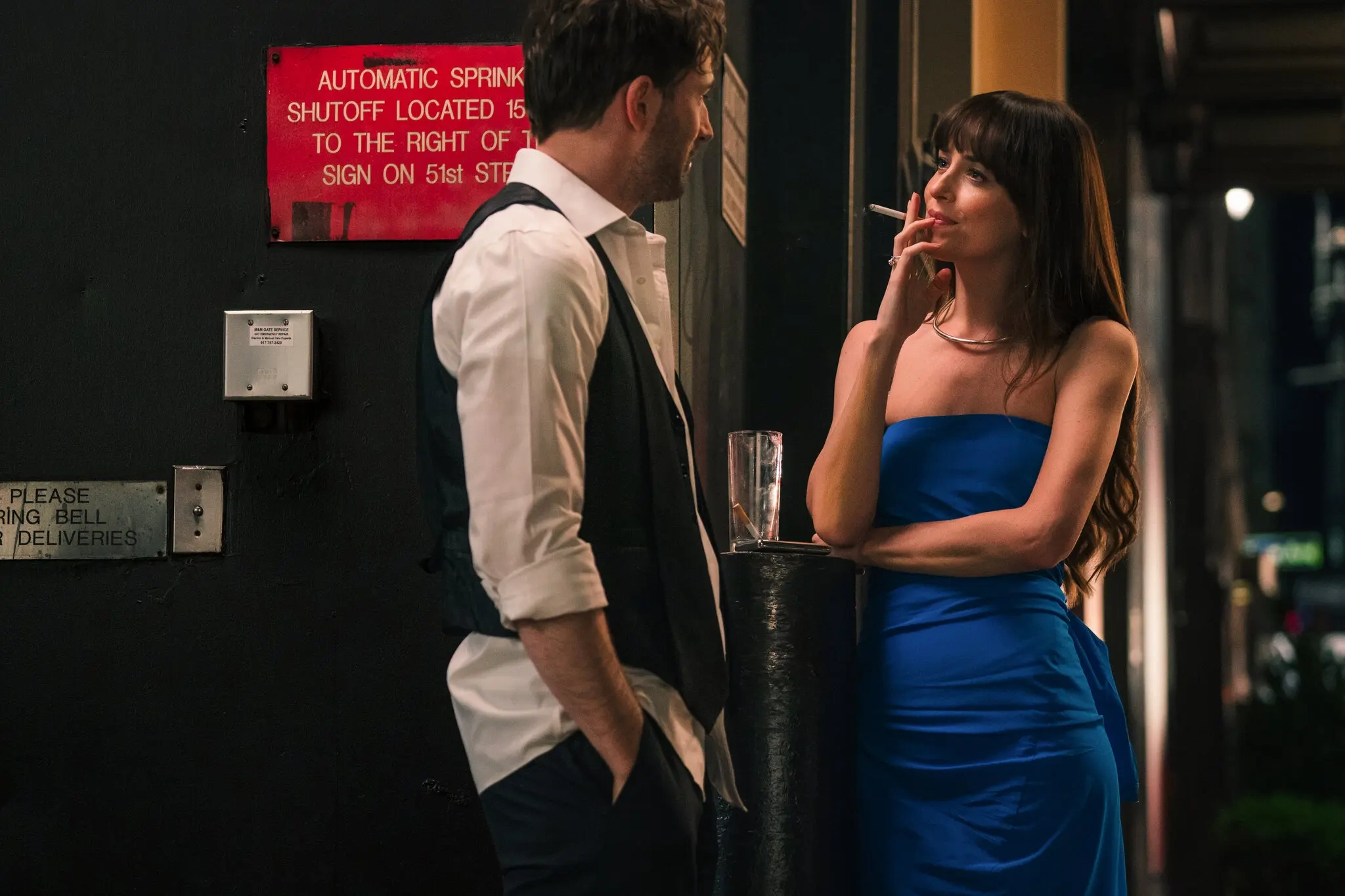
The return of the smoking aesthetic in fashion, film, and celebrity culture
Health experts and public data still show smoking rates remaining far below past decades. What has changed is visibility.
Cigarettes have become part of the visual language of contemporary culture again. In entertainment and fashionFashionThe art and industry of designing, producing, and styling clothing, footwear, accessories, and beauty trends. It reflects cultural influences, personal expression, and evolving styles across seasons and markets.Go to Fashion Glossary, smoking is increasingly used as shorthand for character identity. A cigarette can instantly communicate stress, coolness, rebellion, exhaustion, mystery, or sophistication without dialogue.

On social media platforms where aesthetics shape trends quickly, cigarettes function as recognizable cultural symbols. Smoke photographs well. The gesture itself feels cinematic. In many cases, the cigarette becomes part of the atmosphere.
This helps explain why smoking imagery has resurfaced even as smoking rates continue to decline.
Why do cigarettes still look “cool” in media?
The cultural power of cigarettes did not disappear when smoking became less socially accepted. Decades of film, music, and fashionFashionThe art and industry of designing, producing, and styling clothing, footwear, accessories, and beauty trends. It reflects cultural influences, personal expression, and evolving styles across seasons and markets.Go to Fashion Glossary history continue to shape how cigarettes are perceived visually.

Old Hollywood films, 1990s fashionFashionThe art and industry of designing, producing, and styling clothing, footwear, accessories, and beauty trends. It reflects cultural influences, personal expression, and evolving styles across seasons and markets.Go to Fashion Glossary photography, indie cinema, and rock star imagery all contributed to cigarettes becoming associated with a certain type of cool. Even after public opinion shifted, those visual associations remained embedded in popular culture.
Today, younger audiences often encounter smoking first as imagery rather than lived experience. For many people, cigarettes exist more commonly through movies, Instagram photos, or fashionFashionThe art and industry of designing, producing, and styling clothing, footwear, accessories, and beauty trends. It reflects cultural influences, personal expression, and evolving styles across seasons and markets.Go to Fashion Glossary campaigns than through everyday environments.

At the same time, cigarettes now represent something slightly different culturally than they did decades ago. In a culture shaped by productivity and highly curated online identities, smoking is sometimes framed as an act of imperfection or rebellion.
Why the cigarette keeps returning to pop culture
Part of the reason cigarettes are attracting attention again is that modern culture often cycles through past aesthetics. Fashion, music, and entertainment regularly revive styles associated with earlier decades. Smoking imagery has returned within that nostalgia cycle.

Many younger consumers are navigating economic uncertainty, burnout, social media fatigue, and constant digital visibility. In that environment, cigarettes can become symbolic of emotional realism, even if the symbolism itself is heavily curated.
People understand the dangers more clearly than ever before. Yet cigarettes continue to hold visual and symbolic power in that space.
The cigarette remains a potent cultural image. But outside the photograph or movie scene, the health risks remain exactly the same.
Frequently Asked Questions
Cigarettes have returned as a visual trend in fashion, film, celebrity culture, and social media. Many creators and brands use smoking imagery to convey rebellion, nostalgia, coolness, or emotional intensity.
Current data suggests smoking rates are still much lower than they were decades ago. What appears to be growing more noticeably is the visibility of smoking aesthetics in media and online culture.
Cigarettes have long been tied to iconic imagery in Hollywood, music, and fashion photography. Their cinematic history continues to influence how smoking is portrayed visually today.
Social media amplifies smoking imagery through celebrity photos, fashion campaigns, and viral aesthetics. Cigarettes are often presented as mood-setting accessories rather than being shown with their real-life health consequences.
Health experts warn that smoking remains linked to serious illnesses including lung cancer and heart disease. While smoking imagery may feel fashionable online, the long-term risks of cigarette use have not changed.

Recommended Video