Review: BTS Finds Their Way Home with ‘Arirang’
The global icons return with a masterfully balanced project that celebrates their Korean roots while expanding the possibilities of modern pop





After a hiatus that felt like an eternity for fans, BTS has finally returned with their fifth studio album, Arirang. Released yesterday, March 20, 2026, the 14-track project is not just a comeback. It is a profound reclamation of identity.
Named after the quintessential Korean folk song of longing and resilience, the album serves as a bridge between the group’s hip-hop roots and their evolution into global pop icons.

A dual-sided narrative

The album is split into two emotional halves. The first is a high-octane celebration of their reunion, built for stadiums. Body to Body, produced by Ryan Tedder and Diplo, is an instant standout, a sleek rhythmic anthem pulsing with live energy.
It is followed by the glitchy, aggressive Hooligan, where Jung Kook delivers a ferocity that recalls the group’s early bulletproof era, albeit with a far more polished and experimental edge.
However, the heart of the album lies in its pivot. At the center sits No. 29, a haunting interlude consisting solely of the tolling of the Divine Bell of King Seongdeok, South Korea’s 29th National Treasure. This minute and a half of sacred resonance grounds the listener before the album moves into its more introspective second half.
Moving with the tide
The lead single, Swim, may be the most mature song BTS has released. Instead of the explosive maximalism of Dynamite or Butter, it embraces a mid-tempo alternative pop sound that feels both warm and weathered.
Lyrically led by RM, the track reframes life’s struggles not as battles to be won but as currents to navigate. Instead of fighting the waves, the message suggests simply continuing to swim. The sentiment resonates deeply after years of individual growth and military service.
Individual brilliance, collective strength
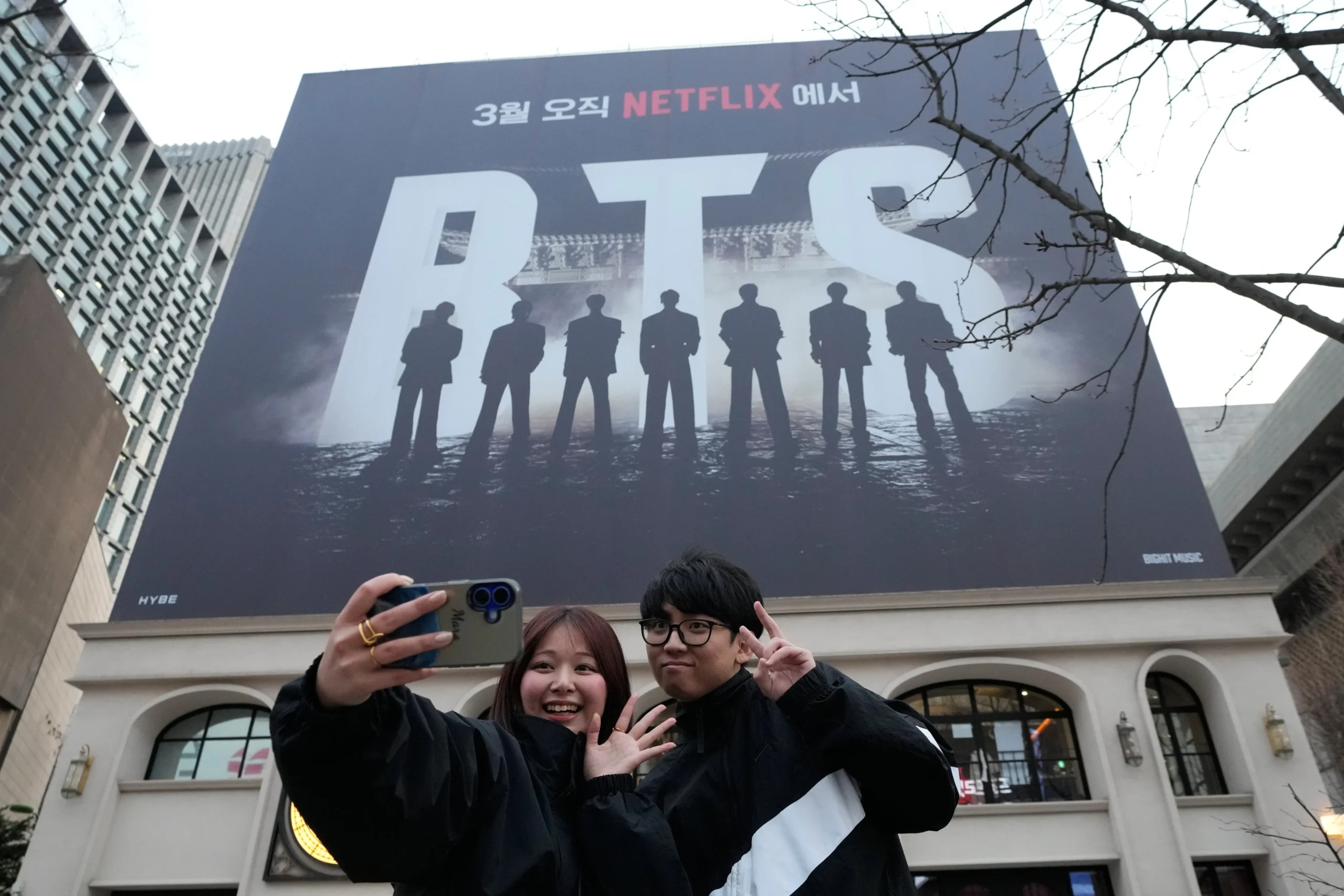
What makes Arirang feel like BTS 2.0 is the clear influence of the members’ solo chapters. The psychedelic sway of Merry Go Round, co-written by SUGA and produced by Tame Impala’s Kevin Parker, feels like a natural extension of the group’s more experimental solo work.
Meanwhile, NORMAL offers a moody R&B-inflected reflection on the mundanity behind superstardom, featuring some of the group’s most candid lyricism to date.
The verdict

The album is not without minor lulls. Tracks like Like Animals and Into the Sun lean into safer, sunlit pop territory. Still, as a cohesive body of work, Arirang stands as a triumph.
It proves that BTS does not need to chase Western trends to remain relevant. By turning inward and embracing their Korean heritage through a global lens, they have created something far more enduring.
Arirang feels like a vow of commitment to their fans, ARMY, and to themselves. It acknowledges the pain of separation while celebrating the beauty of return.
BTS is no longer simply the biggest boy group in the world. They are artists who have finally found their way home.