The Artists Leading the New Wave of P-pop
A new generation of P-pop artists is reshaping the sound of Filipino music that feels both intimate and unmistakably global




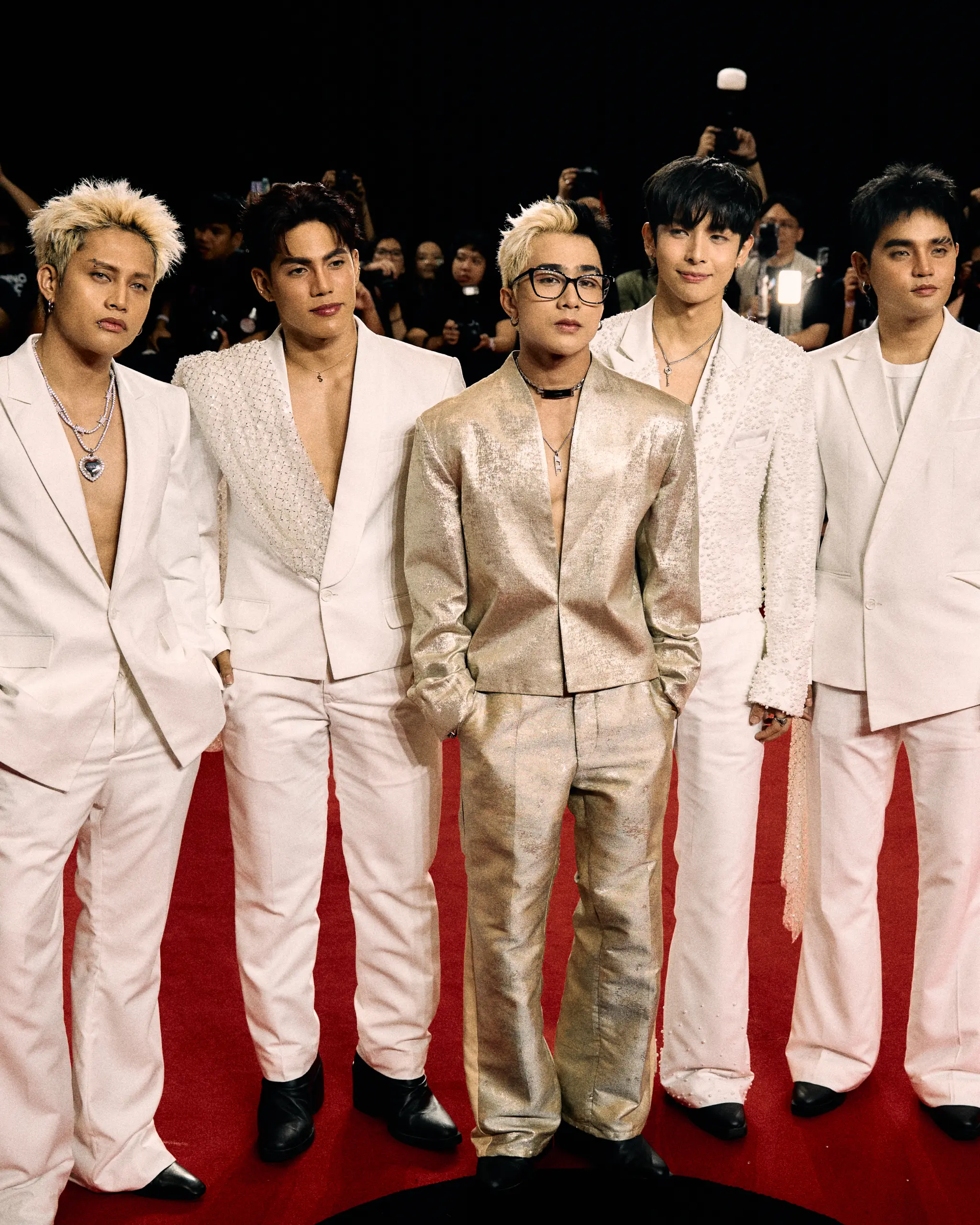
A new rhythm is emerging across the Philippines, carried by a generation of artists who are redefining the country’s pop music scene. P-pop, or Philippine pop, has grown from a niche phenomenon into a global conversation, and its leading acts are shaping how the world hears Filipino music.
SB19
At the forefront is SB19, a five-member boy band often called the “Kings of P-pop.” They made history as the first Southeast Asian act nominated for a Billboard Music Award.
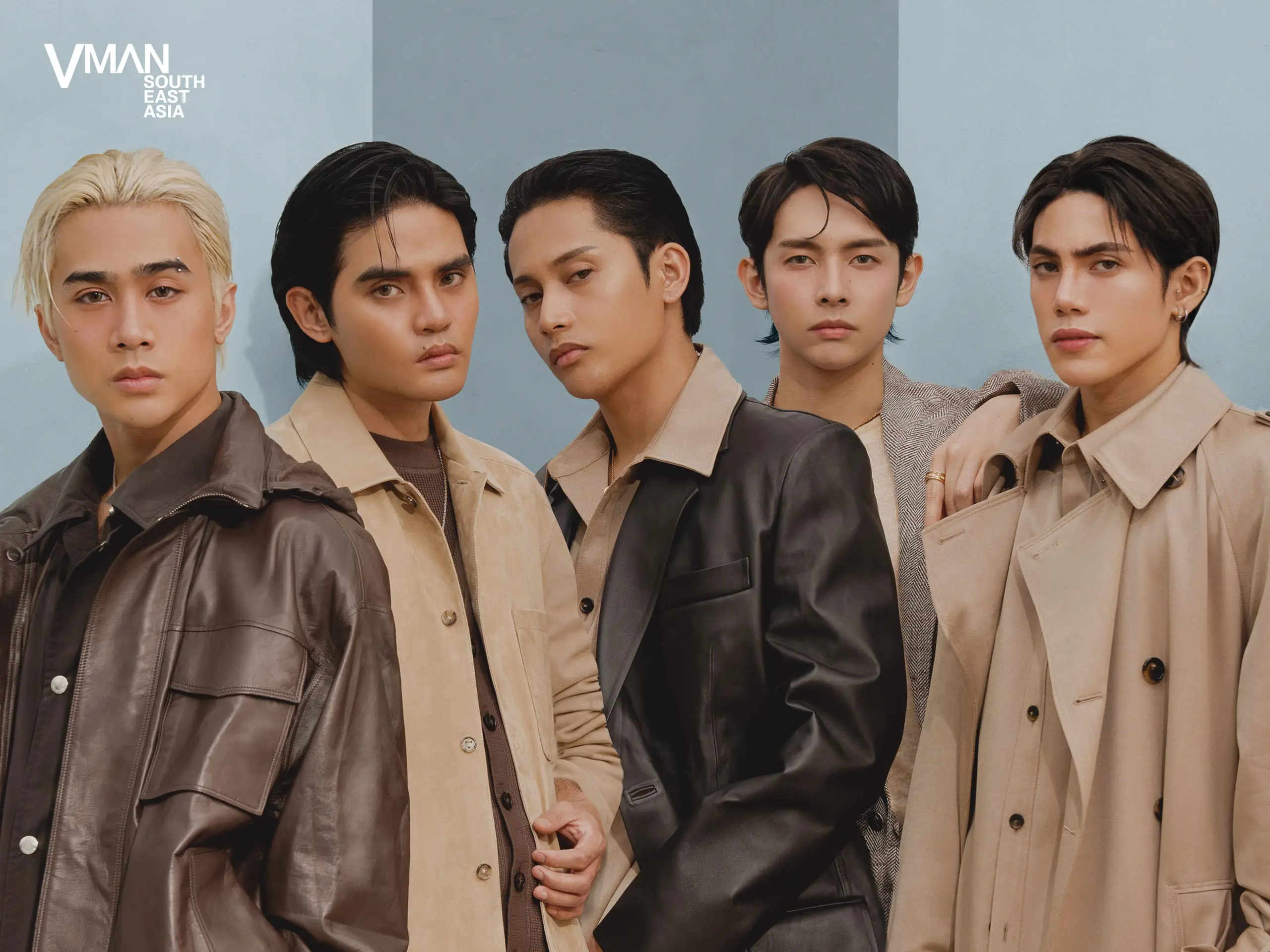
Their music is marked by powerful vocals, smooth choreography, and active participation in production. Tracks such as DAM and DUNGKA! showcase their ability to balance catchy pop hooks with lyrics that speak to confidence and identity.
BGYO
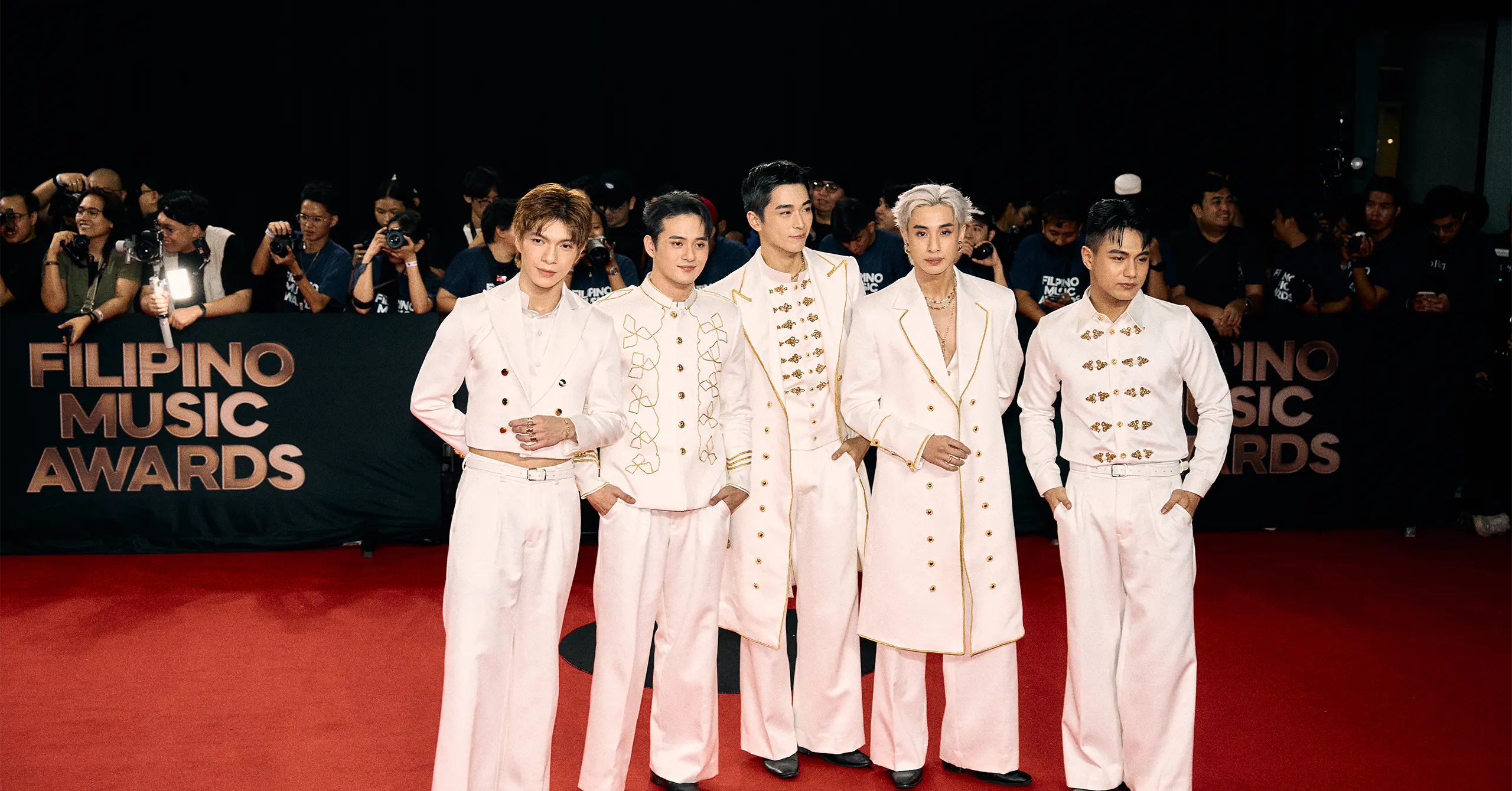
BGYO follows closely, offering polished dance-pop and R&B that appeals to both local and international audiences. Songs like Headlines and All These Ladies highlight harmonies that are intricate but accessible, giving listeners a sense of both energy and intimacy.
ALAMAT
Six-member group ALAMAT stands out for incorporating the Philippines’ many languages into their sound, including Ilocano, Kapampangan, and Cebuano. Their tracks Hiraya and LuzViMinda mix modern pop, hip-hop, and R&B with cultural storytelling, making their music uniquely Filipino while staying contemporary.
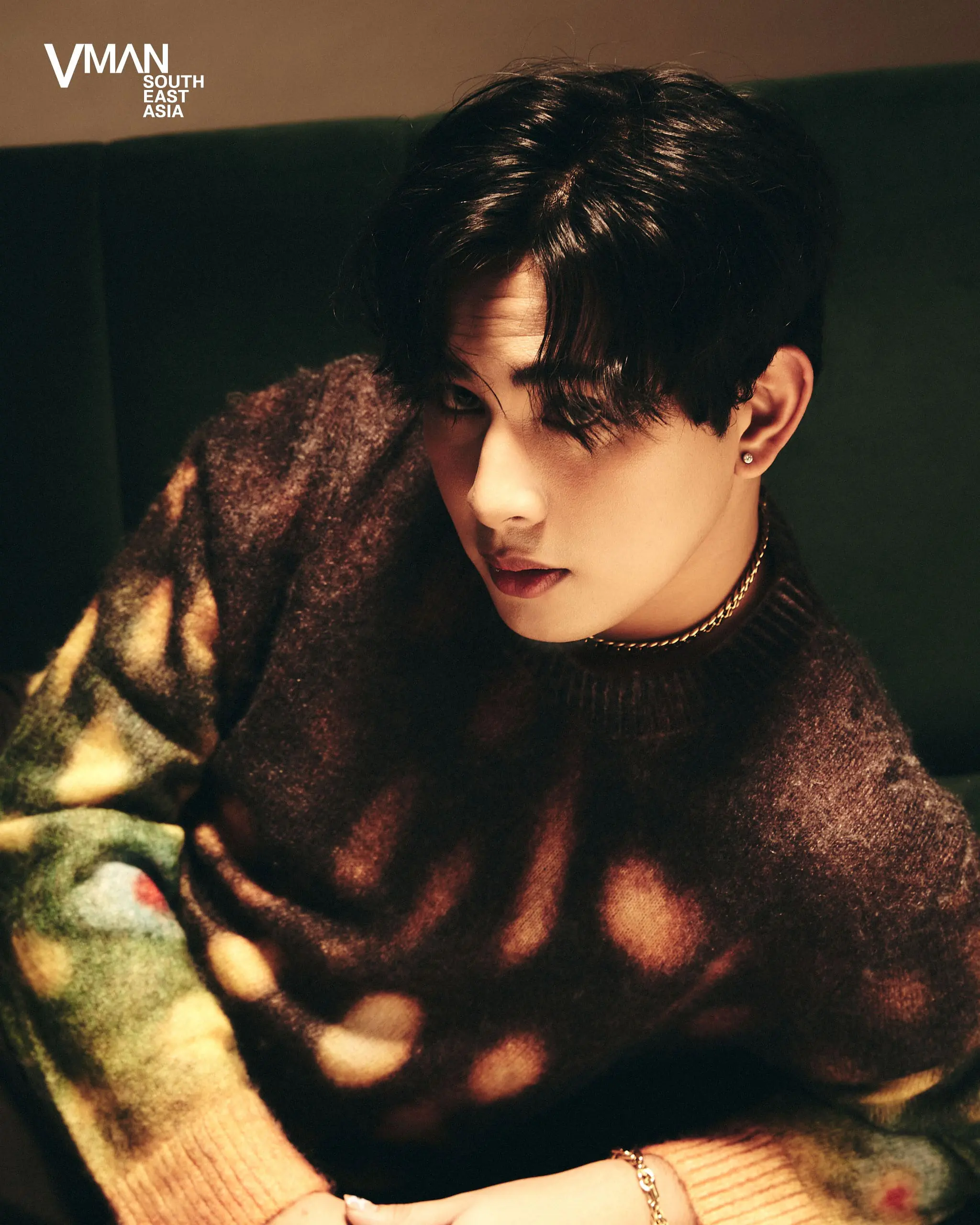
Solo artists are also taking the spotlight. Maki combines alternative rock and pop, with her track “Dilaw” topping the Billboard Philippines Hot 100 in 2025. Zack Tabudlo and Arthur Nery bring smooth R&B sounds to the scene, with songs like Zack’s For You and Arthur’s Higa capturing themes of love and longing.
Emerging acts such as VXON, 1621BC, and SY•NC are experimenting with production and visuals to show the growing diversity of P-pop. Their music represents a genre that is evolving and increasingly global in reach.
Together, these artists represent the new wave of P-pop and, in turn, the wider Southeast Asian pop scene. P-pop has grown beyond a local trend and now stands as a cultural movement, shaped by artists who are building the sound and identity of a generation.
Frequently Asked Questions
SB19, BGYO, and ALAMAT are among the most prominent groups, while solo artists Maki, Zack Tabudlo, and Arthur Nery represent the scene’s range across alternative pop and R&B. Emerging acts VXON, 1621BC, and SY•NC are expanding the genre’s sonic and visual diversity, collectively shaping P-Pop’s identity for a global audience.
SB19 made history as the first Southeast Asian act nominated for a Billboard Music Award, establishing a benchmark for P-Pop’s international reach. Their music combines powerful vocals, precise choreography, and active production involvement — with tracks like DAM and DUNGKA! reflecting a confidence and identity-forward approach that has defined the genre’s mainstream moment.
ALAMAT incorporates multiple Philippine regional languages into their music — including Ilocano, Kapampangan, and Cebuano — alongside modern pop, hip-hop, and R&B production. Tracks like Hiraya and LuzViMinda ground contemporary sounds in cultural storytelling, making their work one of the clearest expressions of Filipino linguistic and regional identity within P-Pop.
Maki stands out for blending alternative rock and pop, with her track Dilaw topping the Billboard Philippines Hot 100 in 2025. Zack Tabudlo and Arthur Nery bring smooth R&B to the scene — Zack’s For You and Arthur’s Higa both capturing themes of love and longing that have resonated strongly with Filipino audiences and diaspora listeners.
P-Pop has moved beyond a local trend into an internationally recognized genre, driven by acts whose music, choreography, and visual identities reflect a distinctly Filipino creative sensibility. SB19’s Billboard nomination, ALAMAT’s multilingual storytelling, and the emergence of new acts experimenting with production and visuals all point to a genre that is expanding its reach while staying rooted in Filipino identity.
Recommended Video