
Is AI Shaping the Next Generation of K-pop?




The system upgrade
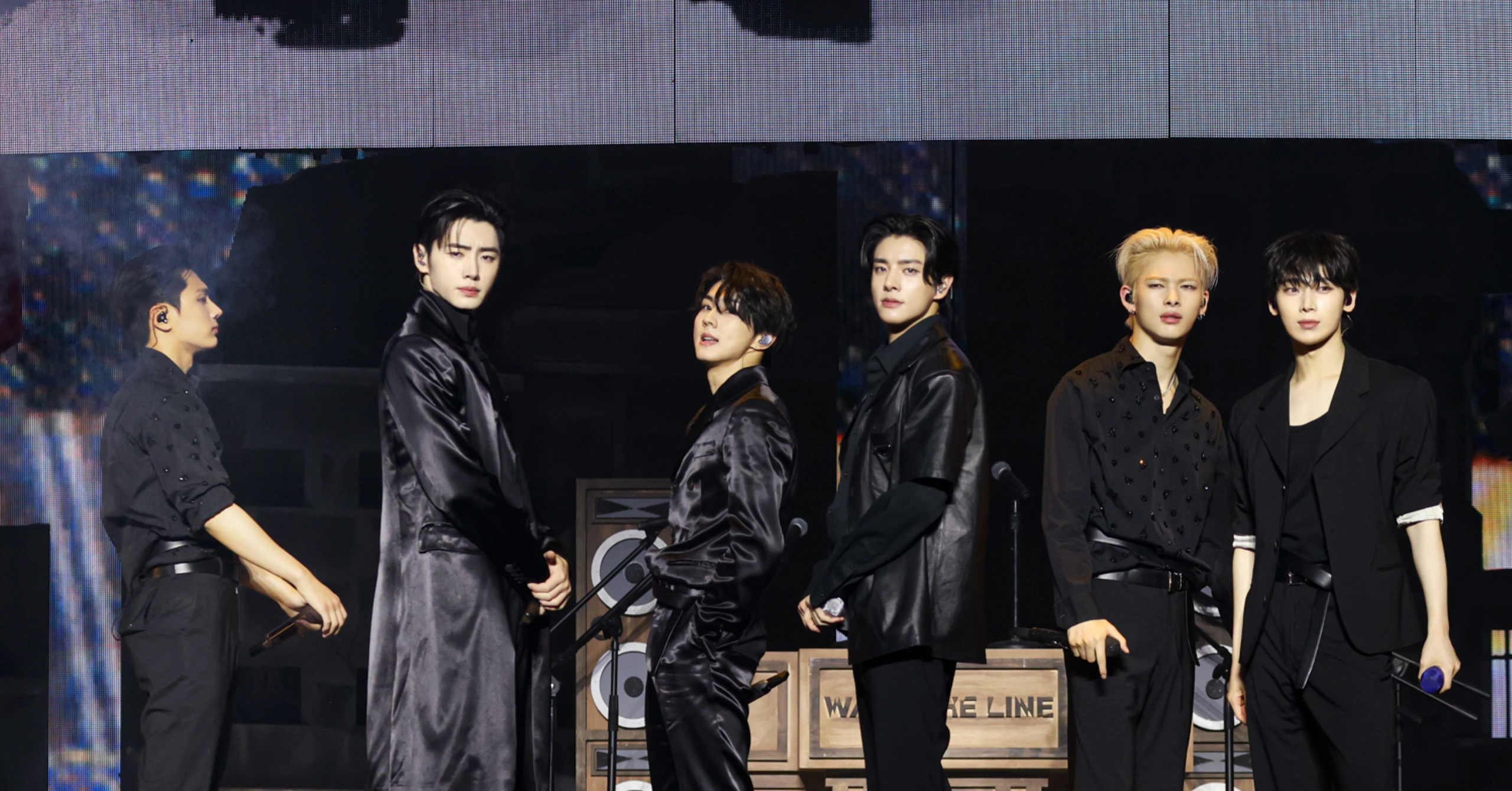
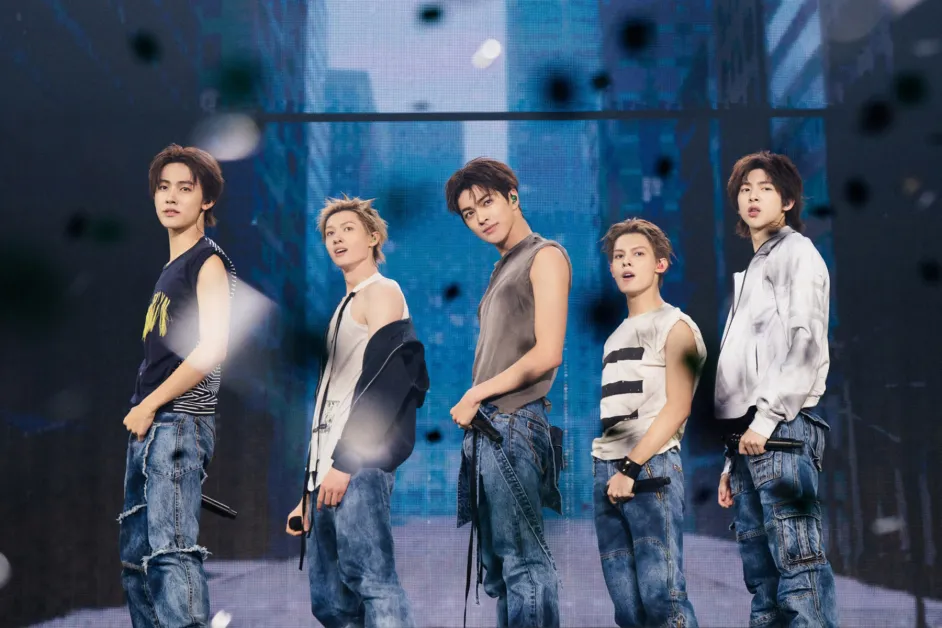
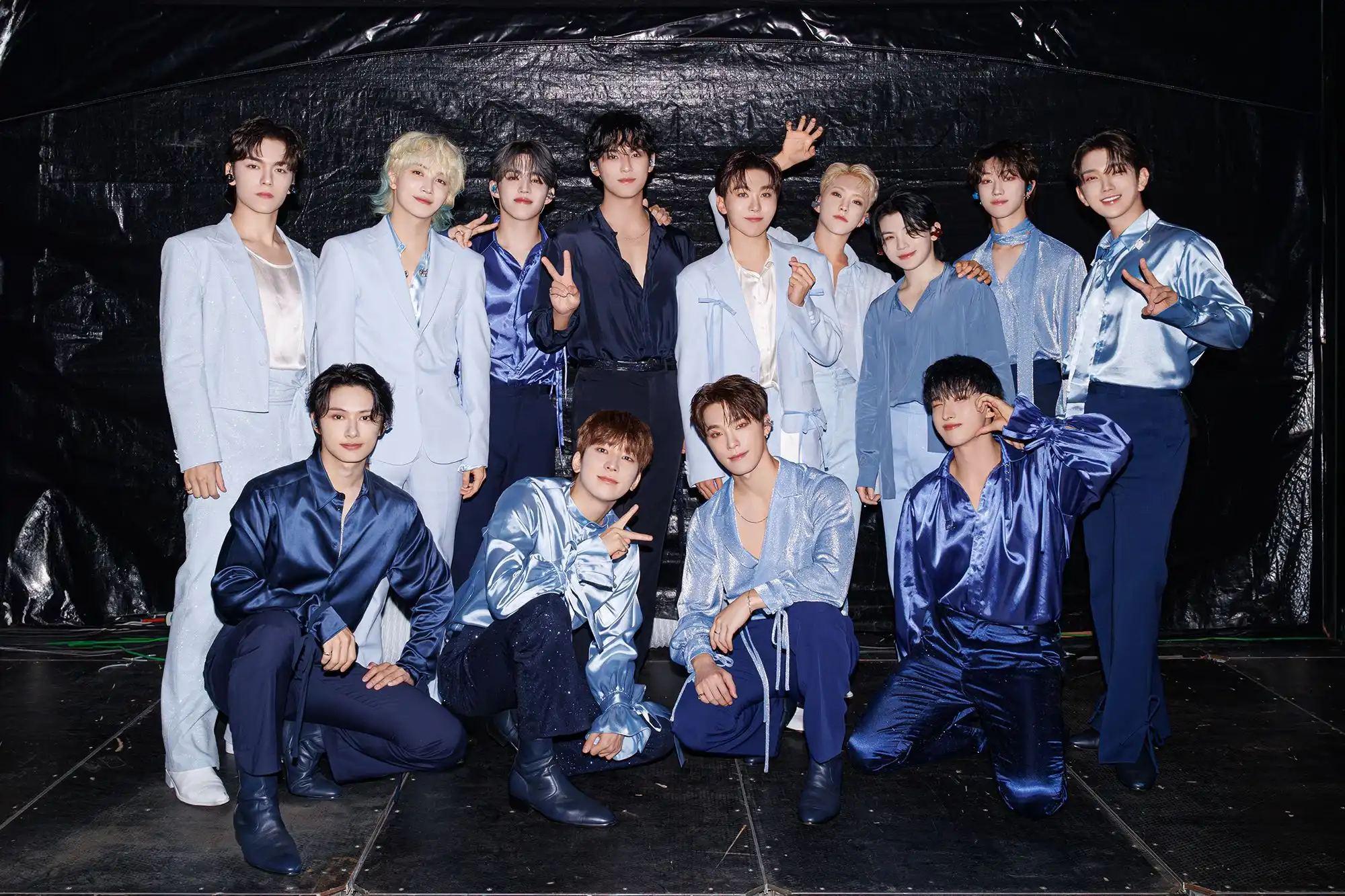
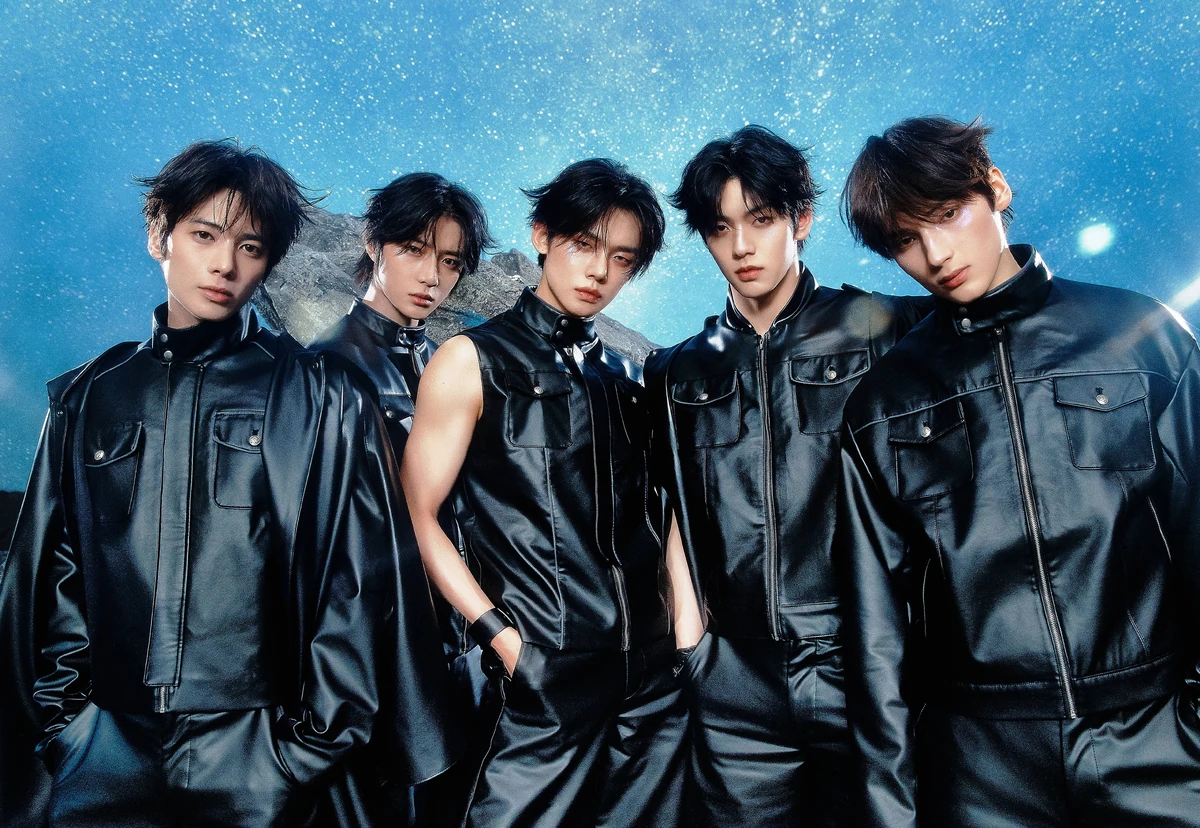
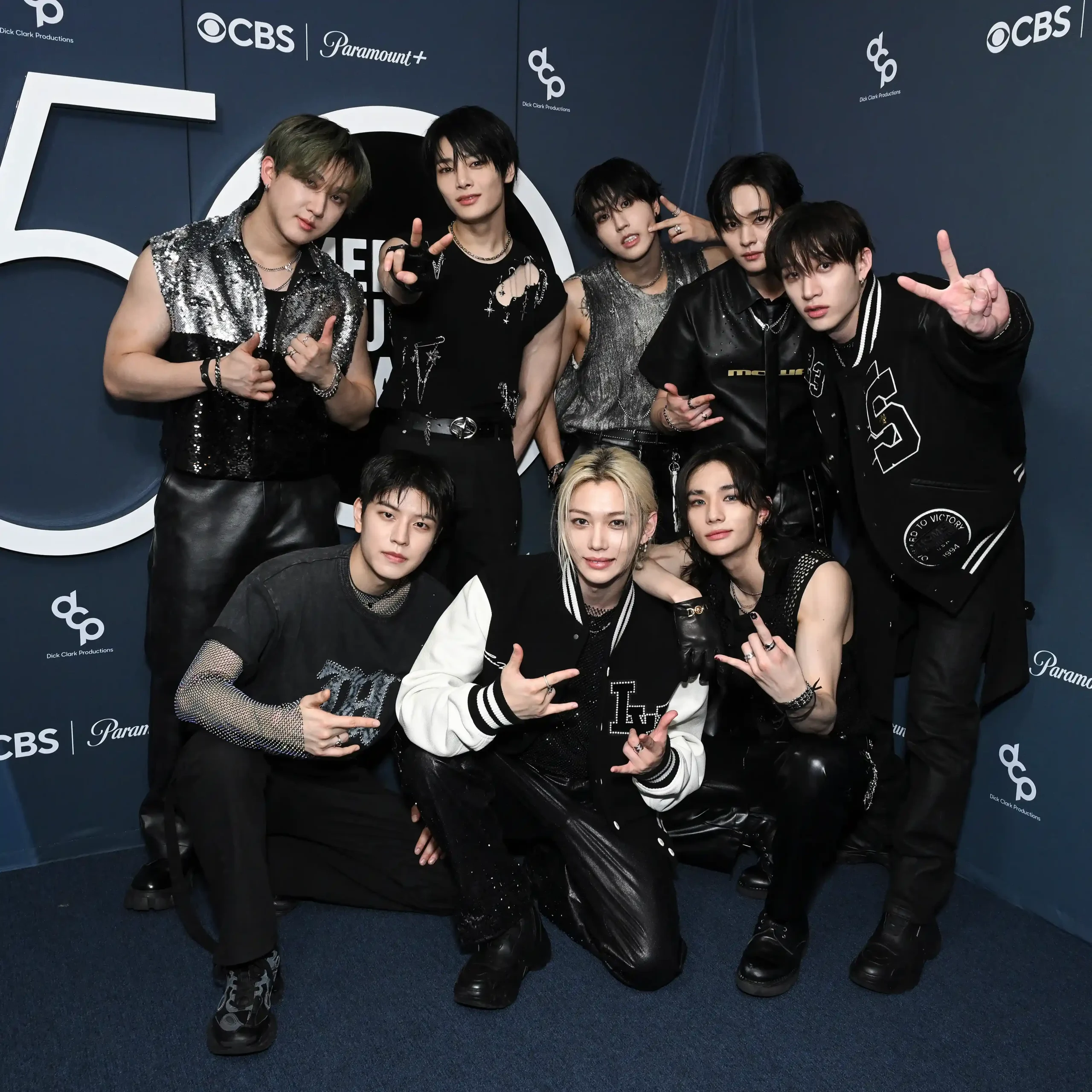
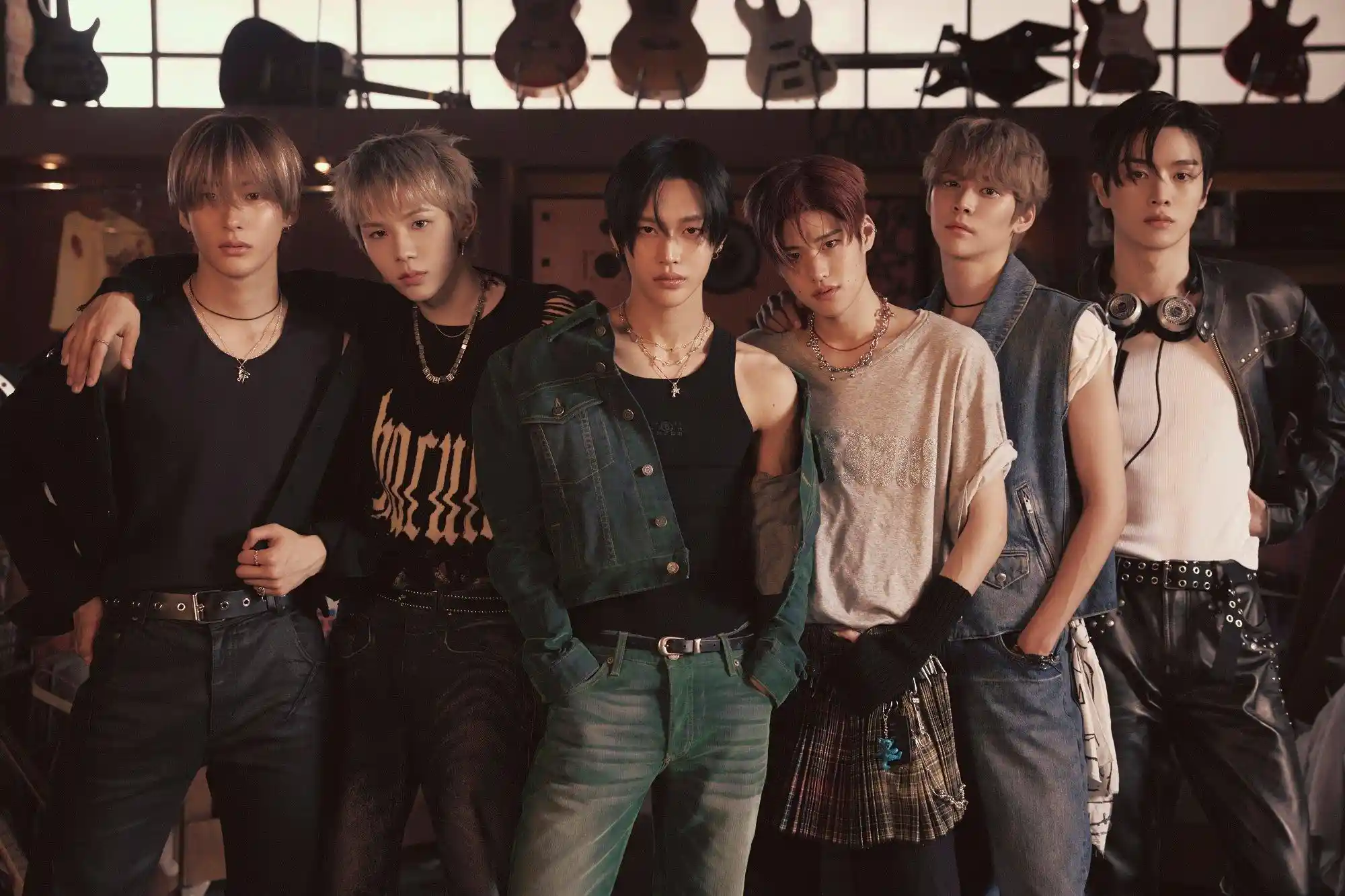
Note: The K-pop group photos included in this article are for illustrative purposes only and are not connected to AI.
Artificial intelligence is becoming an increasingly visible part of K-pop, serving as a practical tool that is reshaping how the industry operates. Its presence can be seen across production, from music videos and visual effects to songwriting and artist development.
What once felt experimental is now moving toward standard practice, as companies look for ways to streamline processes and expand creative output.
K-pop has long evolved in tandem with digital innovation. Its global reach was built through social media, streaming platforms, and highly produced online content. In that context, the adoption of AI reflects a familiar pattern.
The difference is the level of involvement. Earlier technologies supported artists and amplified their work. AI has the capacity to participate more directly in the creation process, which changes how that work is understood.
Rewriting the visual pattern
One of the clearest shifts is happening in visual production. AI tools are being used to generate and enhance music video content, allowing for more ambitious concepts within shorter timelines. While this can reduce certain costs, it also introduces new technical demands.
Integrating AI-generated imagery with live footage requires careful coordination, and the results often carry a distinct visual style that is becoming more recognizable across releases.
AI is also beginning to influence music creation. In some cases, it is used to assist with composition, arrangement, or sound design. This makes it difficult to draw clear boundaries around authorship. A song may involve both human and AI input in ways that are not immediately visible to listeners.

This ambiguity has contributed to ongoing discussions among fans. K-pop audiences are highly attentive to the effort behind performances, including the training and creative decisions that shape an artist’s work. When AI is involved without clear disclosure, it can create uncertainty about what exactly is being presented.
Industry acceleration
At the same time, industry leaders have signaled strong interest in AI’s potential. Companies are exploring its use in areas such as A&R, where data-driven tools can help identify trends and guide creative direction.
Others are investing in AI-generated content as a way to increase efficiency and maintain a steady output in a competitive market. These developments align with South Korea’s broader focus on technological innovation, where AI is widely viewed as a driver of future growth.
For some creators, AI also represents new access. The ability to produce high-quality music and visuals without traditional industry backing lowers the barrier to entry. This has opened space for independent experimentation, allowing individuals to develop projects that would have been difficult to realize in the past.
Fan responses remain mixed but engaged. There is interest in how AI can expand the boundaries of K-pop, particularly in terms of visuals and sound. At the same time, there is continued emphasis on the human elements that have defined the genre. Performance and the visible progression of artists over time remain central to how many fans connect with the music.
The broader question is how these elements will coexist. K-pop has always involved a high level of construction, from carefully designed concepts to tightly managed promotions. AI does not introduce artificiality into the system, but it does change how that artificiality is produced and perceived. As the technology becomes more integrated, the distinction between human and machine contribution may become less clear.
Beyond borders
There are also cultural considerations. K-pop functions as a significant part of South Korea’s global identity, supported by years of investment in talent development and creative infrastructure. As AI tools become more accessible worldwide, the possibility of similar content being produced outside this system increases.
The role of AI in K-pop is still developing, and its long-term impact remains uncertain. What is clear is that it will continue to influence how music is made and presented. The direction it takes will depend on how companies choose to implement it and how audiences respond.
For now, AI is best understood as part of an ongoing transition. It offers new possibilities while raising practical and creative questions. K-pop has navigated similar shifts before, though not at this scale.
As the technology evolves, the industry will continue to adjust, balancing efficiency with the elements that have made it globally resonant.
Frequently Asked Questions
AI is being used across K-pop production in music video generation, visual effects, composition, arrangement, and A&R trend analysis. Companies are integrating AI tools to increase output efficiency and reduce production timelines, while some independent creators are using the technology to develop projects without traditional industry backing.
AI in K-pop functions as a production tool rather than a direct replacement for human creativity, though the boundaries of authorship are increasingly unclear. Songs and visuals may involve both human and AI input in ways not immediately visible to listeners, raising ongoing questions about disclosure and creative credit.
Fan responses are mixed. There is interest in AI’s capacity to expand K-pop’s visual and sonic possibilities, but also strong emphasis on the human elements — training, performance, and artistic progression — that define fan connection to artists. Undisclosed AI involvement can create uncertainty about what is being presented.
K-pop is a significant part of South Korea’s global cultural identity, supported by decades of investment in talent development and creative infrastructure. AI’s growing role in production intersects with South Korea’s broader focus on technological innovation, though it also raises questions about whether similar content could be produced outside this system as tools become more globally accessible.
When AI assists with composition, arrangement, or sound design, it becomes difficult to define clear authorship boundaries. A track may involve AI contributions that are not credited or disclosed, complicating how listeners, fans, and the industry itself understand the creative labor behind a release.

Recommended Video