
Is Your Routine Killing Your Sex Drive?
For many men in relationships, a fading sex drive often comes from everyday habits reshaping desire until intimacy feels different





In many long-term relationships, a drop in sex drive does not feel dramatic. It often feels confusing. A man may still love his partner, still feel attracted to them, still enjoy being close. But somewhere between work deadlines, late nights, and daily routines, sex begins to feel scheduled.
Many people assume this is just what happens with time. But health and relationship experts say everyday habits can shape sexual desire more than people realize.
Here are common lifestyle patterns that may be lowering sex drive without people noticing.
READ ALSO: A Gentleman’s Guide to Spicing Up the Bedroom
1. Not getting enough sleep
When you are constantly tired, everything feels harder, including intimacy. Sleep affects hormones that help regulate sexual desire. But even beyond hormones, exhaustion simply lowers energy and interest in anything that requires effort.
If you are going to bed late, waking up early, or scrolling in bed every night, your body may be running on survival mode instead of pleasure mode.
2. Living in constant stress mode
Stress from work, money, family pressure, or just modern life can directly affect sex drive. When the body feels stressed, it focuses on problem solving and staying alert. That is not a state where desire usually grows.

Many people get used to being stressed all the time, which makes it harder to notice how much it is affecting mood and intimacy.
3. Drinking more than you think
A drink can help people relax. But regular heavy drinking can lower performance, energy, and overall sexual response. Some people feel more mentally open to sex after drinking, but their body does not respond the same way.
Over time, heavy alcohol use can also affect hormone balance and overall stamina.

4. Working out too hard without resting
Exercise is usually good for libido. But training intensely every single day without enough food or recovery can leave the body too drained. When the body is exhausted, it focuses on repair and survival, not reproduction.
If workouts leave you constantly sore, tired, or low energy, it can affect more than just your muscles.

5. Too much screen time and digital sexual content
Phones, social media, and online sexual content can all affect attention and arousal over time. Constant stimulation can make real life intimacy feel slower or less exciting for some people.
Even outside of sexual content, being on phones all the time can reduce emotional connection and physical closeness in relationships.
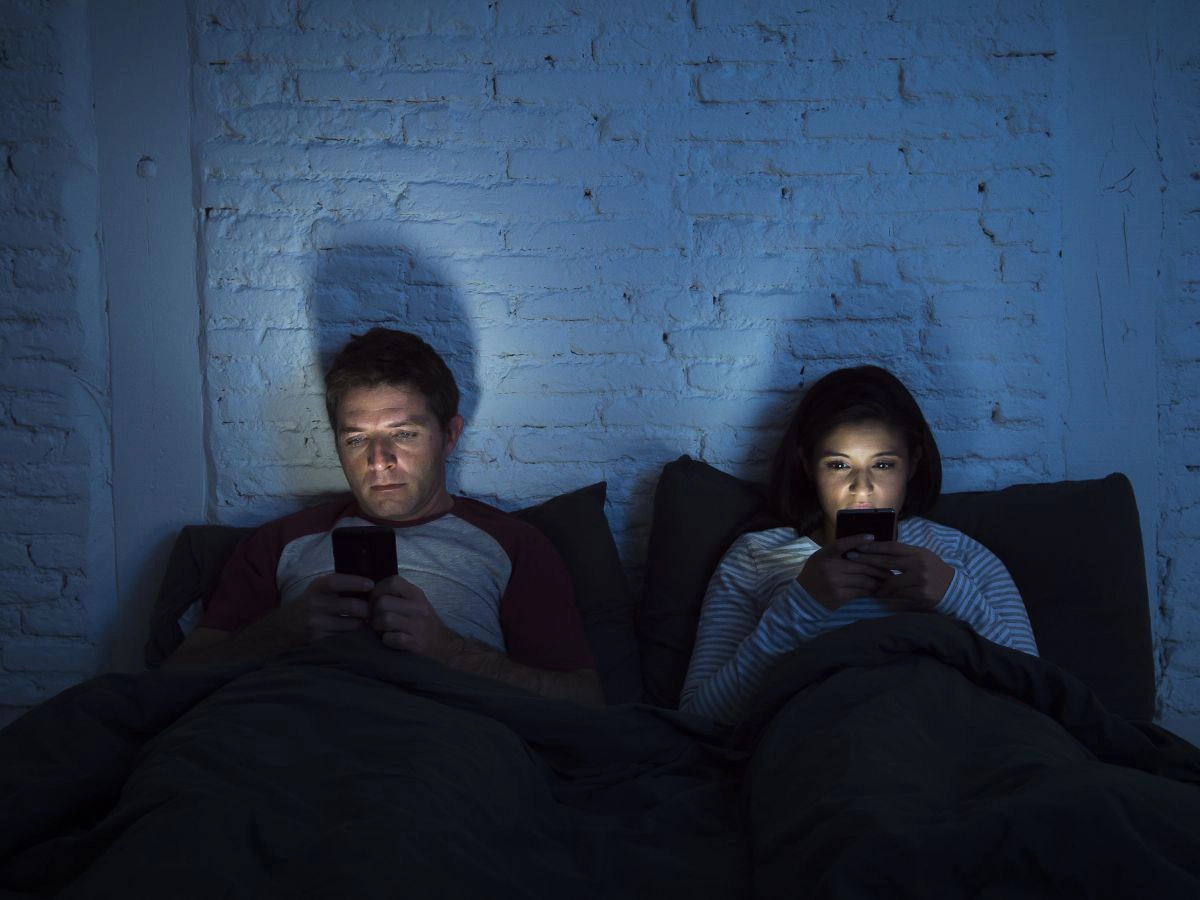
Experts say libido usually changes slowly, not overnight. It is often shaped by daily routines more than people expect. The encouraging part is that small lifestyle improvements can make a real difference. Better sleep, less stress, balanced nutrition, and a stronger emotional connection often help desire return naturally.
For many people, sex drive comes from creating the conditions where desire can show up naturally.
A gradual decrease in sex drive is often linked to everyday habits rather than lost attraction. Factors like poor sleep, chronic stress, heavy alcohol use, overtraining, and unresolved relationship tension can reduce libido over time.
Yes, not getting enough sleep can lower hormones that regulate sexual desire and reduce overall energy, making intimacy feel less appealing. Even short-term sleep deprivation can impact motivation and arousal.
Chronic stress raises cortisol levels and keeps the body in a heightened alert state, which can suppress sexual desire. Emotional and mental tension can make it harder to feel relaxed and engaged in intimacy.
Yes, adjusting daily habits can make a noticeable difference. Improving sleep, managing stress, balancing nutrition, moderating alcohol, and addressing relationship tension often help restore desire naturally.
Excessive screen time, social media, and high-frequency sexual content can affect attention and arousal patterns, sometimes making real-life intimacy feel less stimulating. Limiting digital distractions can help improve connection and desire.