In Southeast Asia, Martial Arts Represent Heritage in Motion
Beyond the physical realm, martial arts carry the soul of a nation




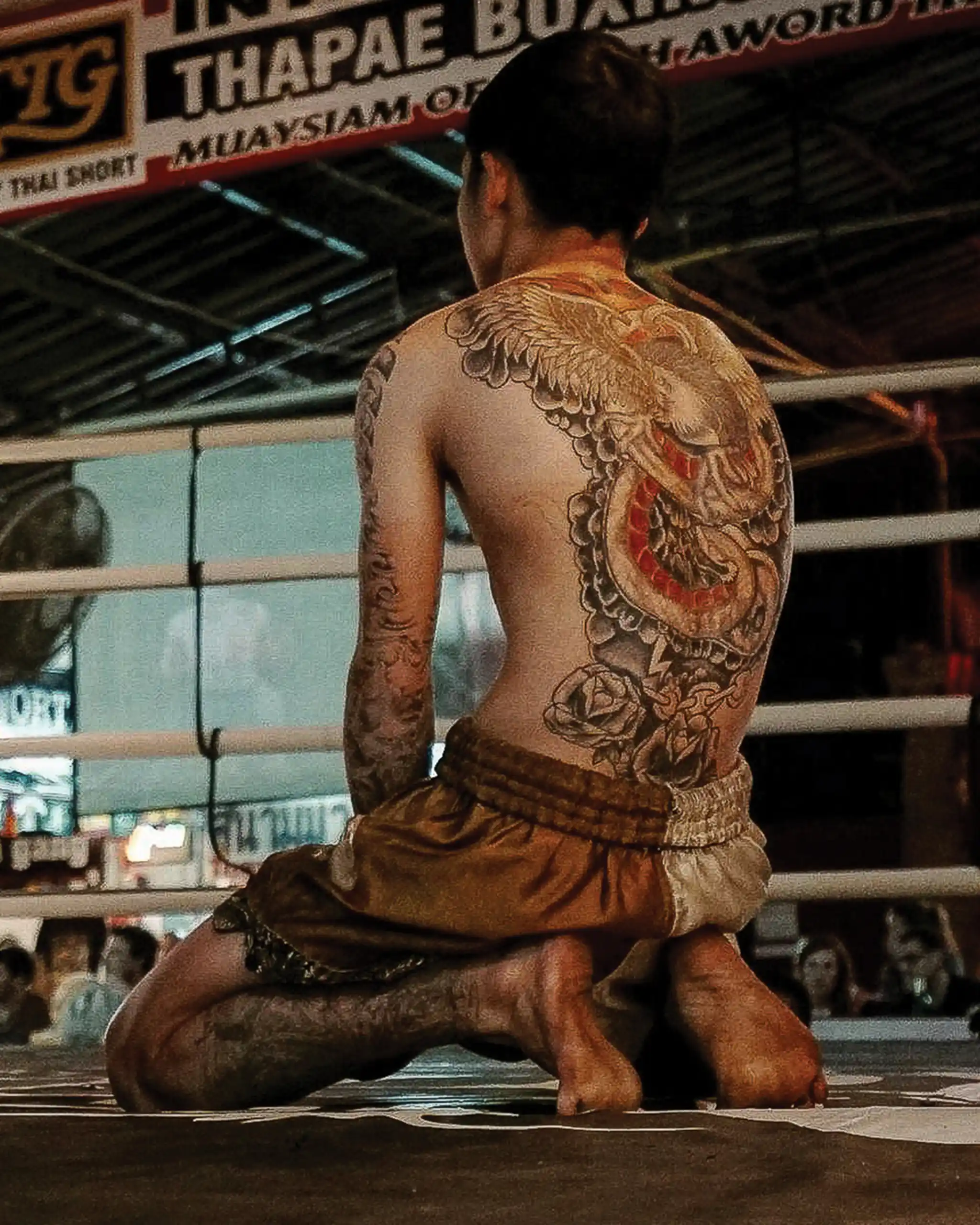
Culture in combat
Southeast Asian martial arts are more than just sports, self-defense, or forms of combat. They are powerful symbols of heritage, resilience, and national identity.
From the Philippines’ Arnis, Cambodia’s Kun Khmer, to Myanmar’s Lethwei, these sports are deeply rooted in centuries-old traditions, shaped by unique histories and practiced with cultural pride.
Martial arts also serve as expressions of the region’s collective soul— living testaments to the distinctive warrior spirit of the Southeast Asian community. Passionate coaches, practitioners, and cultural advocates continue to keep the flame of these unique martial art forms alive.
A symbol of freedom
Known as the national sport of the Philippines, Arnis dates back to the pre-colonial period. Developed as a form of self-defense against other tribes and invaders from other countries, this indigenous form of stick fighting is deeply woven into the nation’s history, from the days of ancient warriors defending their communities to today’s athletes bringing pride to their motherland.
One of the members at the forefront of Arnis’ influence is Senior Master Ryan Gialogo, who is one of the founders of the Kali Arnis Martial Arts Organization (KAMAO) and has witnessed the sport change and develop ever since the late 1990s.
Arnis has always been ingrained in Philippine history, as it has remained as a symbol of resistance to oppression. Ryan shares the belief that Filipinos are “freedom loving,” as the existence of Arnis dating back centuries ago conveys their constant fight for freedom.
“Arnis is a symbol of our libertarian struggle for freedom…and not just Filipinos being docile.”
Unlike other Southeast Asian sports which prioritize rigid forms or modern spectacle, Arnis embraces fluidity, rhythm, and improvisation— traits that reflect the resilience, creativity, and cultural depth of the Filipino people. The uniqueness of Arnis lies not only in its form, but in its essence, as it is traditionally passed down from master to student through history and personal mentorship.
A striking art
Meanwhile, Kun Khmer, also known as Pradal Serey, is Cambodia’s traditional martial art—a striking discipline that involves powerful elbows and kicking techniques.
Before each match, fighters perform the “Kun Kru”, a traditional dance and gesture-filled movement that pays respect to their teachers, ancestors, and the sacred space of the ring.
This pre-ceremonial act is accompanied by live traditional music, which continues throughout the entire match and sets the pace of the fight.
The music being played is not background noise—it is part of the soul of Kun Khmer, echoing centuries of ritualized combat and spiritual connection deeply rooted in Cambodian culture.
The ninth weapon
In Myanmar, Lethwei is known as the “art of nine limbs,” incorporating fists, elbows, knees, feet, and headbutts—making it one of the most aggressive and raw striking martial arts in the world. As a cultural practice, before stepping into the arena, participants perform a fight dance called “Lethwei Yay,” which is a gesture of respect to their trainers, ancestors, and the audience.
Lethwei is distinct for its bare-knuckle fighting and inclusion of headbutts—the ninth weapon, embodying the rugged, indomitable spirit of Myanmar’s ancient warriors. When compared to Muay Thai or Kun Khmer, Lethwei is traditionally fought with only tape and gauze to protect their hands.
Many practitioners also wear protective amulets or religious charms, believing in the spiritual dimension of combat. These practices remind participants and spectators that Lethwei is not just a sport, but a sacred tradition.
Preserving heritage in motion
In terms of teaching and passing on these martial arts to the youth, Ryan admits that practices he used in the past are not as effective anymore, as it should still have a sense of balance with modern teaching.
“We try to get from modern pedagogy, because we won’t get anything from the old ways. When teaching nowadays, we make sure they have discipline and perseverance—and of course, knowing how to lose and having a strong will to carry the tradition across generations.”
They are calls to remember who they are, where they come from, and what stories they carry into the future. Ultimately, the significance of these martial arts lie not only in their legacies but in what they continue to teach today: strength guided by discipline, movement enriched with meaning, and identity anchored in heritage.
Together, these martial arts are not merely systems of self-defense or athletic competition—they are living expressions of Southeast Asia’s identity. Arnis, Kun Khmer, and Lethwei stand as powerful reminders that culture is not only preserved through memory, but also through movement, spirit, and the will to carry it across generations.
This story appears on the pages of VMAN SEA Volume 03. Get your copy now!
Photo courtesy Gleb Krasnoborov