Has AI Already Invaded the Music Airwaves?
AI is now a front-facing creator, not just a backstage tool, blurring musical ownership and artistry




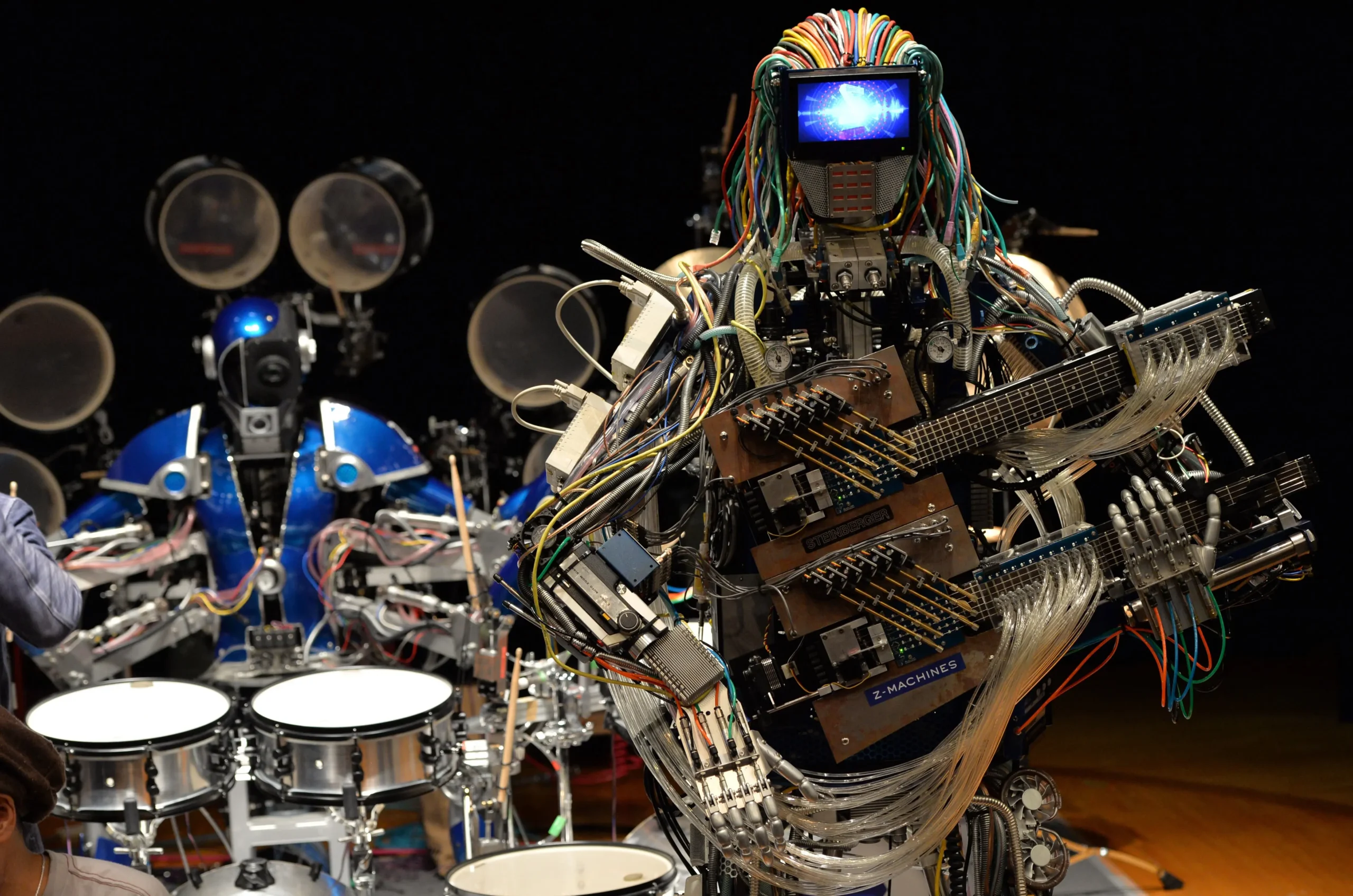
Music was long considered the ultimate expression of human emotion, a “soulful” sanctuary beyond the reach of technology. It was believed that the depth and narrative complexity of genres like blues or folk required lived experience to truly connect with an audience.
But in 2026, that boundary is shifting. The digital landscape has moved from using software to polish a human voice to engineering entire personas from scratch.
From viral TikTok loops to top streaming charts, AI has moved beyond an assistant role. It is rapidly becoming the performer, songwriter, and conductor, raising the question of whether the technology has found its own voice.
The debate
Nowhere is this shift more evident than in the Philippines, where the track “Hawak Mo Ang Beat” recently ignited a firestorm of debate. Released in 2025 and exploding into a nationwide dance craze by early 2026, the song’s bouncy, budots-inspired rhythm dominated social media.
However, the hit became a lightning rod for controversy when critics pointed to its hyper-saturated, AI-style cover art and mechanical vocal texture as signs of a possible generative origin.
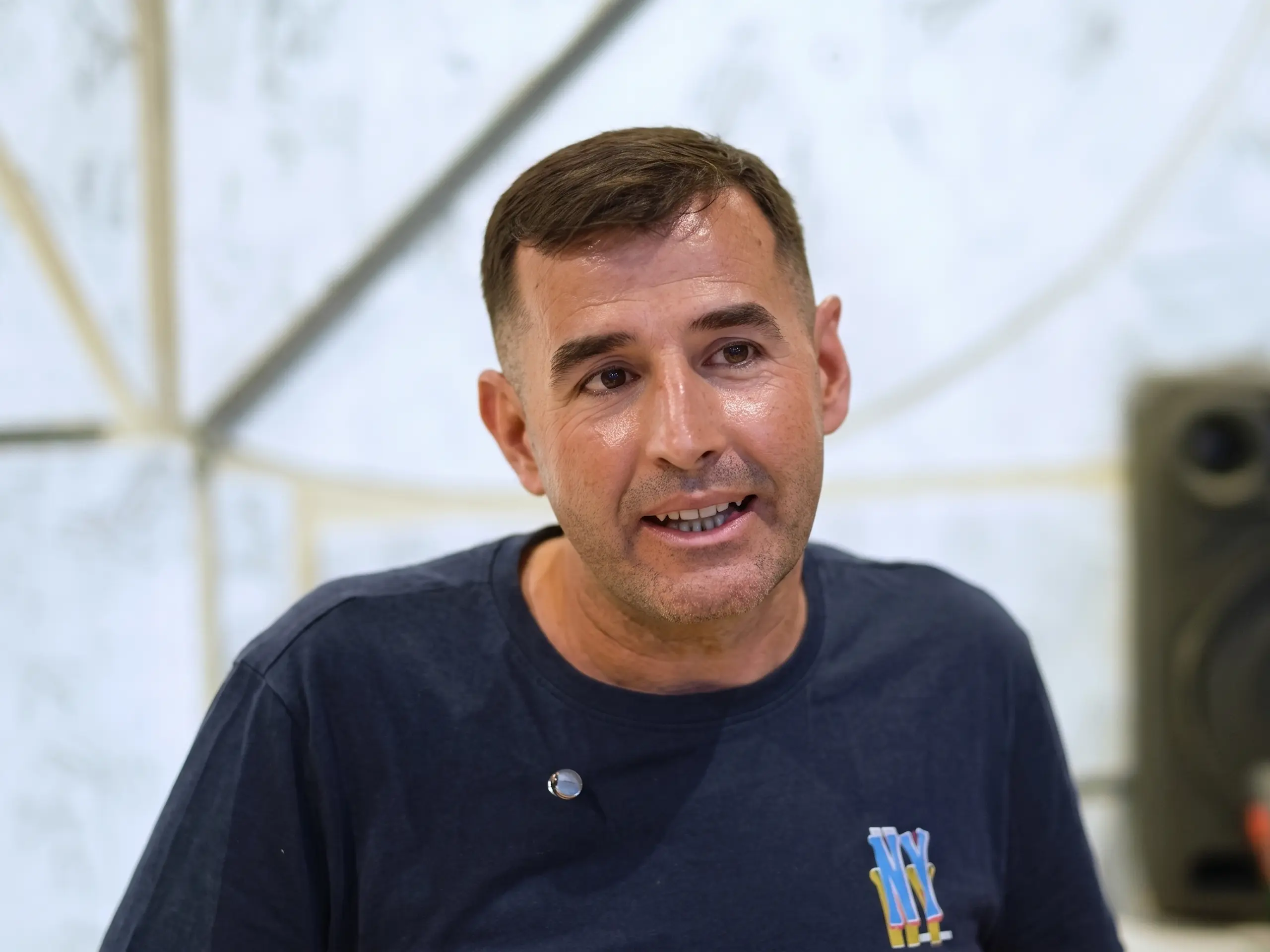
While producer DJ Mogo has maintained that the track is “100% authentic,” the discourse it sparked, involving industry figures like SB19’s Pablo, reveals a new reality. Even when a song is human-made, the instinct now is to suspect the algorithm.
Beyond the viral hook
The shift extends far beyond isolated hits, as AI-generated songs have begun to penetrate official charts with increasing frequency. In 2024, the German track “Verknallt in einen Talahon” became one of the first fully AI-generated songs to chart.
This was followed in early 2026 by the folk-pop track “Jag vet, du är inte min” by the virtual artist Jacub, which became a major hit in Sweden before it was revealed to be the work of an AI division at a Danish music firm.

The precedent was set earlier by the anonymous creator Ghostwriter, whose 2023 track “Heart on My Sleeve” forced the industry to confront voice cloning, a technology that has since advanced to near-indistinguishable levels.

The great balancing act

Platforms like Suno and Udio have democratized music creation, allowing anyone to generate a radio-ready track from a simple text prompt. Yet this accessibility comes with legal and ethical consequences.
Major labels are now engaged in high-stakes legal battles over copyright infringement and argue that generative models were trained on their catalogs without consent or compensation.
This shifts music’s value from technical perfection to verifiable human artistry, begging the question: who is holding the beat?
Frequently Asked Questions
Producer DJ Mogo has stated the track is fully human-made. However, its AI-style cover art and mechanical vocal texture sparked widespread debate in the Philippines, involving artists including SB19’s Pablo.
Yes. The German track “Verknallt in einen Talahon” charted in 2024, and the Swedish folk-pop hit “Jag vet, du är inte min” by virtual artist Jacub charted in early 2026 before being revealed as an AI production from a Danish music firm.
Voice cloning replicates a real artist’s vocal identity using AI. The 2023 track “Heart on My Sleeve” by Ghostwriter brought the issue to industry attention, and the technology has since advanced to near-indistinguishable levels of accuracy.
Major labels argue that AI music platforms trained their generative models on copyrighted catalogs without consent or compensation, triggering high-stakes copyright infringement lawsuits across the industry.
As AI tools make technically polished music widely accessible, the industry is shifting value away from production quality toward verifiable human authorship — reframing what authenticity means for artists, labels, and audiences.

Recommended Video