
What Went Wrong for Timothée Chalamet in the 2026 Oscar Race?
Timothée entered Oscar night as the clear frontrunner, but a long campaign, shifting industry sentiment, and stronger late support for Michael B. Jordan changed the outcome




The early frontrunner
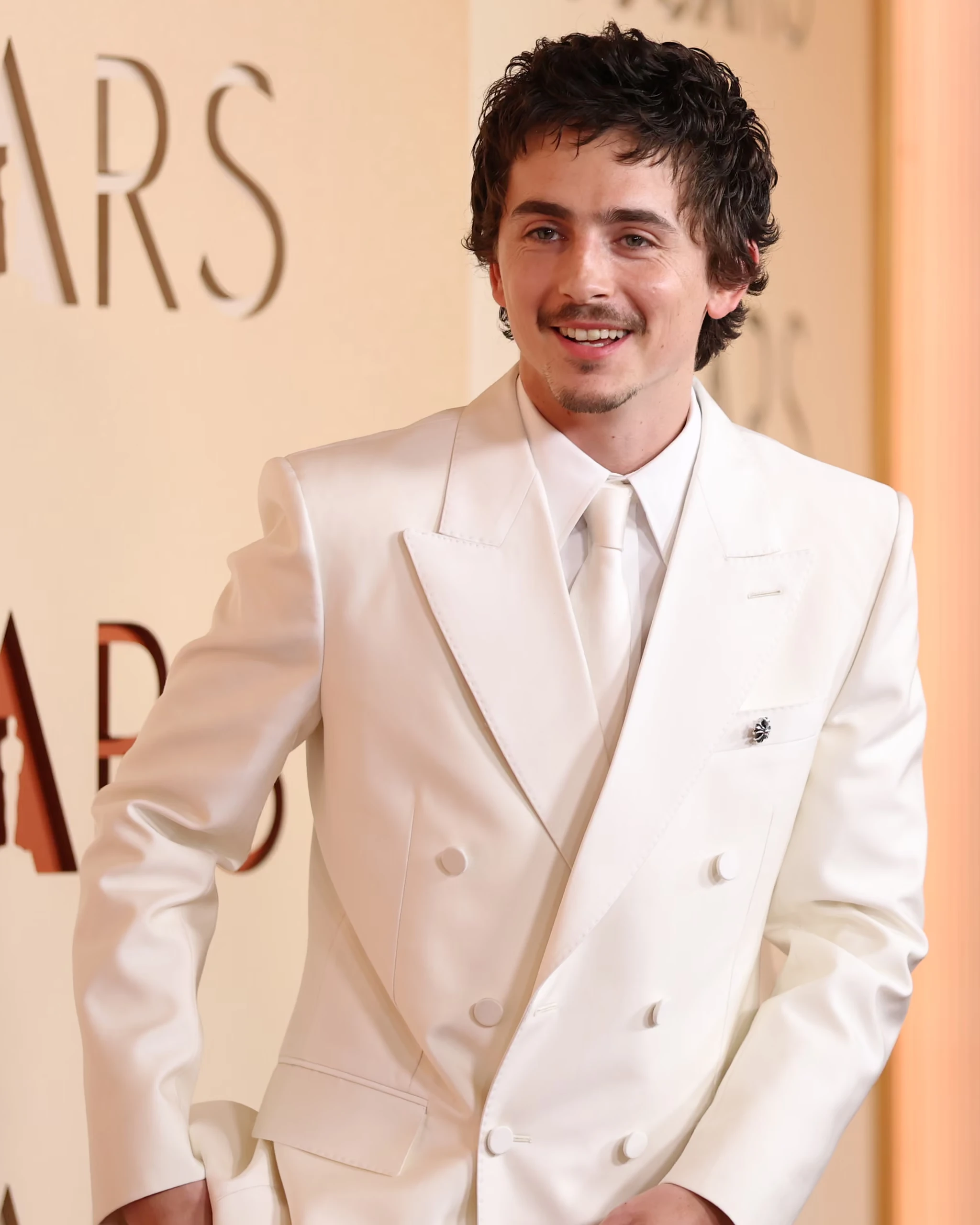
For much of this year’s awards season, Timothée Chalamet’s first Oscar appeared inevitable. His performance in Marty Supreme had secured early wins at the Golden Globes and Critics’ Choice Awards, and industry momentum seemed firmly behind him.
By the time final Oscar voting approached, the race for Best Actor looked, if not closed, then clearly leaning in his direction.
READ ALSO: Man on the Verge: Why Cinematic Vulnerability Is the New Cool
A late shift in the race
That expectation did not hold. At the Academy Awards, Michael B. Jordan won Best Actor for Sinners, a result that reflected a late-stage shift in the race rather than a sudden upset.
Initial explanations have focused on Timothée’s widely circulated remark suggesting that “no one cares about” ballet and opera. The comment generated backlash in the days leading up to the ceremony, but its actual impact appears limited.
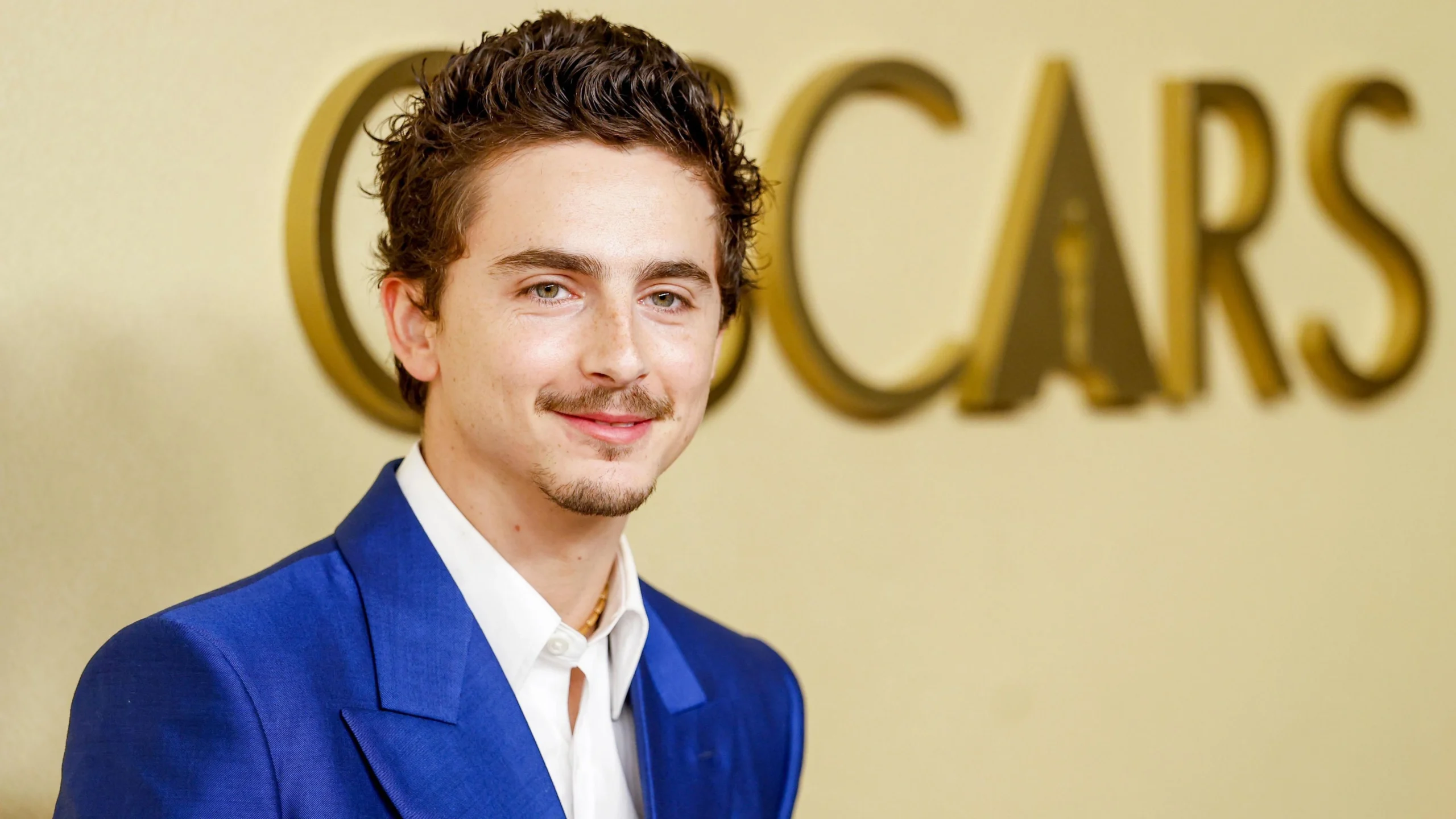
Oscar voting closed on March 5, before the controversy gained significant traction, making it unlikely to have materially influenced final ballots.
The weight of a long campaign
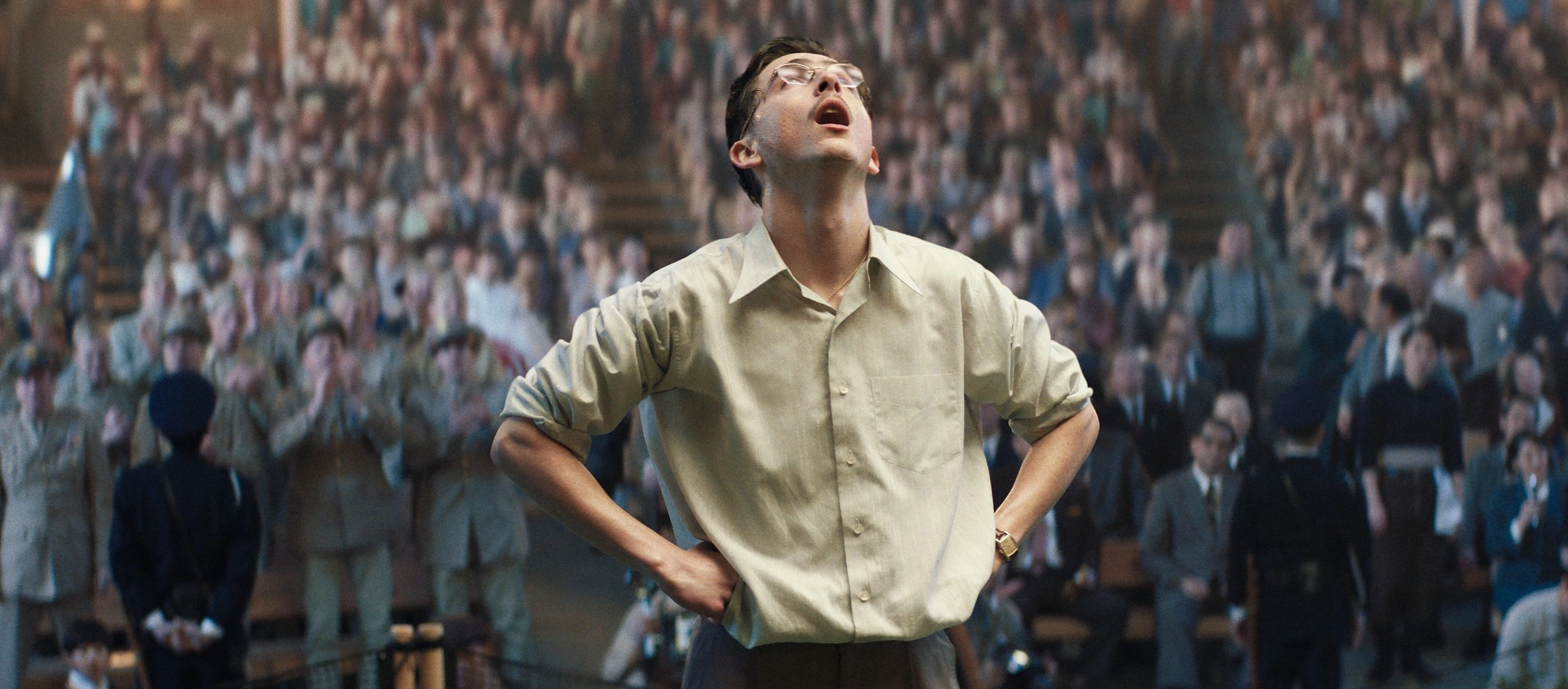
A more plausible explanation lies in the structure and duration of Timothée’s campaign. Marty Supreme, released in late December, became A24’s most commercially successful film, supported by an extensive and highly visible press run.
The actor maintained a near-constant presence across interviews, talk shows, and podcasts for several months. While effective in building early momentum, such prolonged visibility can lead to diminishing returns in a compressed awards calendar, where campaigns are often shaped by timing as much as performance.
Persona and perception
Throughout the press cycle, Timothée adopted a tone that aligned closely with his character in Marty Supreme, a highly driven and self-assured athlete. In interviews, he spoke openly about awards ambitions and described his work in confident terms.

That approach, whether strategic or incidental, marked a shift from the more reserved persona he had presented in earlier campaigns and may have affected how voters and audiences perceived him over time.
By the later stages of the season, there were signs of fatigue. Timothée’s major wins had come early, and his subsequent appearances did not significantly reshape the narrative.
Momentum at the right moment
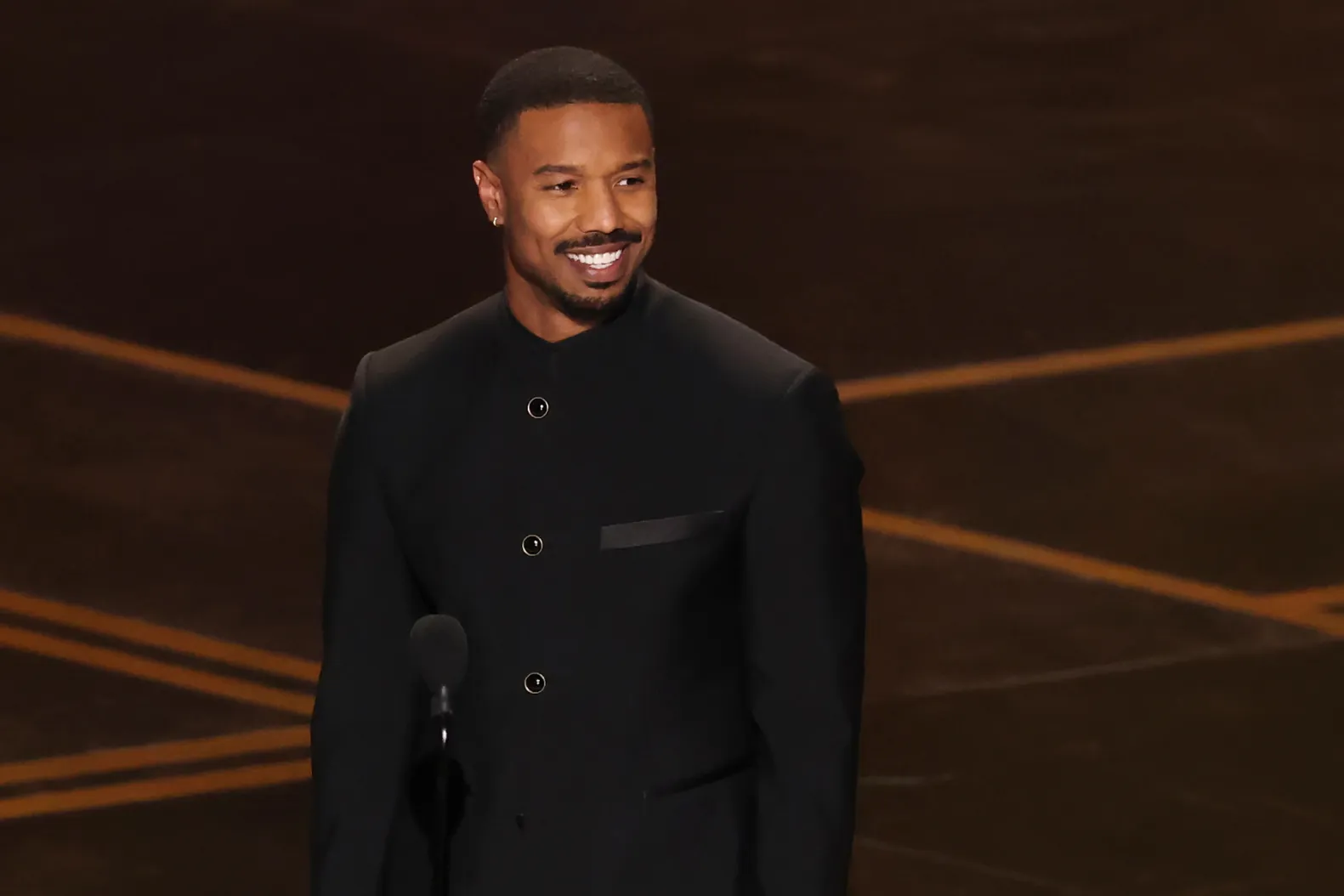
In contrast, MBJ’s campaign appeared to gain strength closer to the voting period. Although the film entered the Oscars with the highest number of nominations, it ultimately won fewer major awards than expected. Michael’s victory, however, was widely seen as a reflection of strong industry support for both his performance and his broader standing among peers.
The outcome underscores a recurring dynamic in awards races, where early frontrunners do not always maintain their lead through final voting. Campaign pacing, public perception, and shifting industry sentiment can all influence results, sometimes in subtle ways that only become clear in retrospect.
A loss that changes little
Of course, Timothée remains widely expected to win an Academy Award in the future. His performance in Marty Supreme has been critically recognized as one of the strongest of the year, and his overall trajectory in the industry remains upward.
However, the 2026 Best Actor race is likely to be cited as an example of how early dominance does not guarantee final success, particularly in a season shaped as much by narrative timing as by individual achievement.