7 TV Shows Where the Costumes Deserve Their Own Emmy
From steampunk fae to mythological gods in couture, television’s most stylish period dramas use costume not just to dress their characters, but to define them




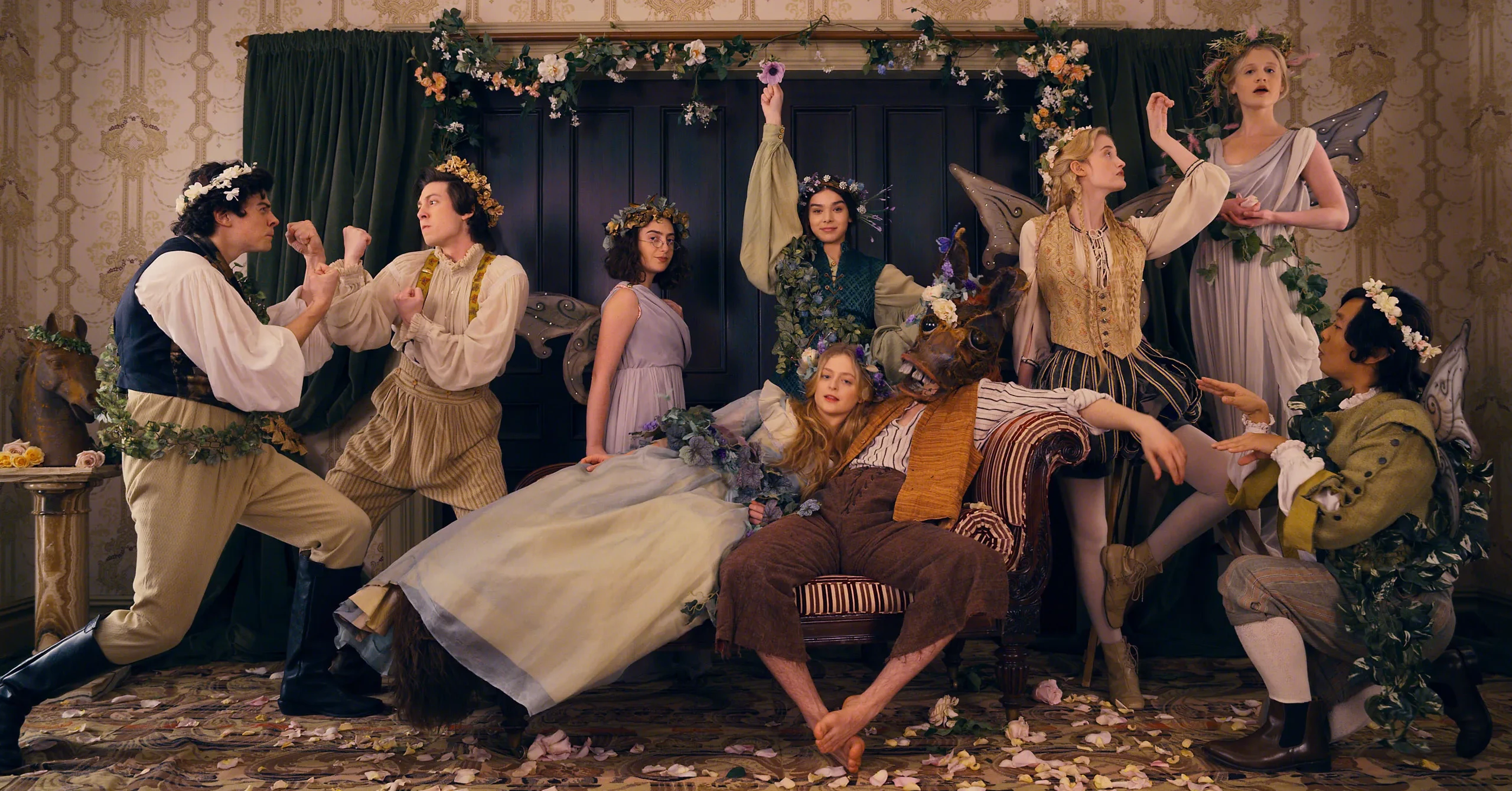
Somewhere between the high gloss of haute couture and the grit of historical realism lies the peculiar realm of television costume design. In recent years, the small screen has not only become a stage for prestige storytelling but a revolving catwalk of visual narrative.
From corseted ghosts in Victorian London to angels in pastel brocade, television has transformed fashion into something mythic, less costume and more semiotic code.
Miss Fisher’s Murder Mysteries (2012–2015)
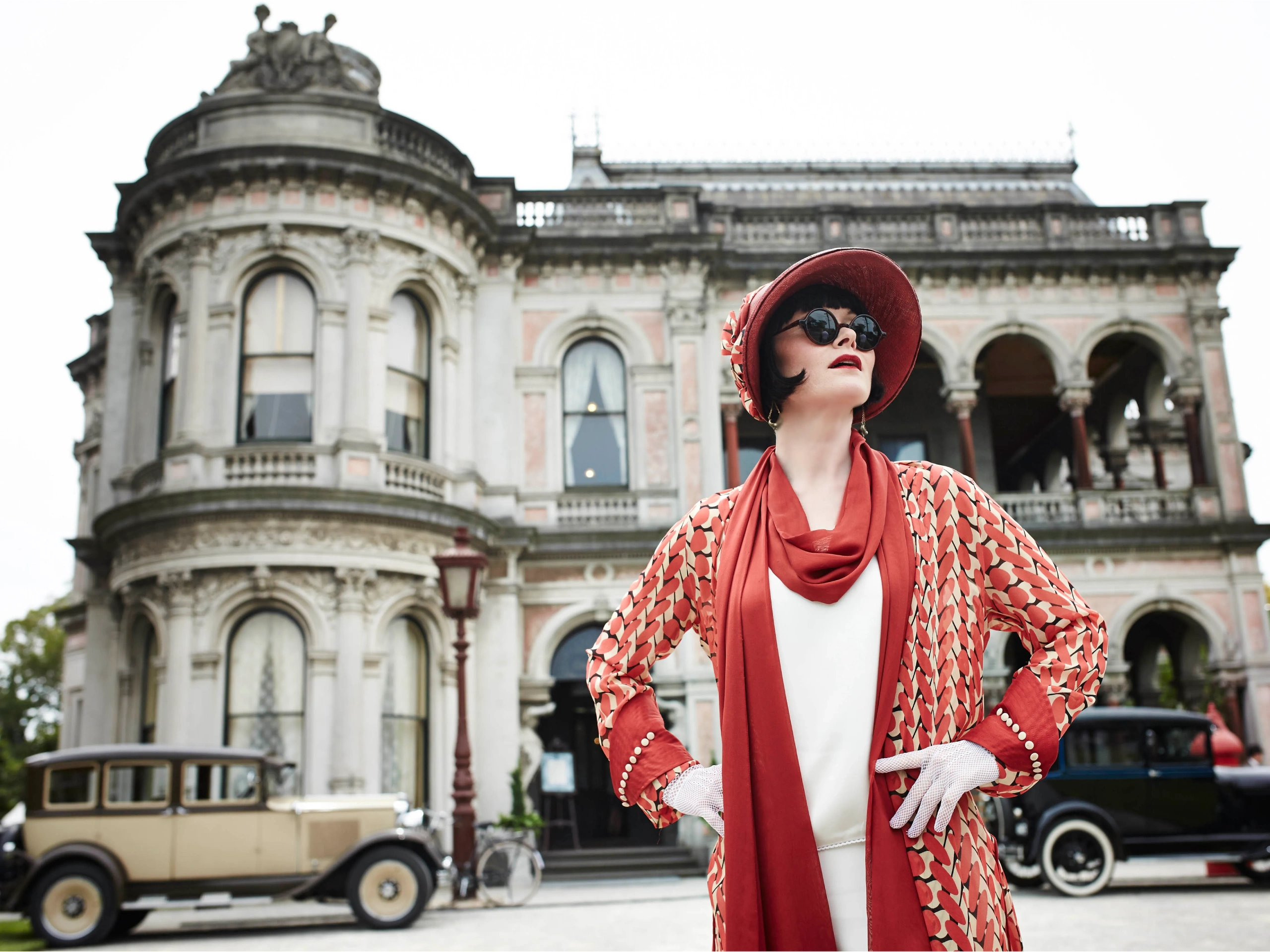
Take Miss Fisher’s Murder Mysteries, a jazz-soaked Australian period drama that doesn’t just indulge in 1920s flair but revels in it. Its lead, Phryne Fisher, struts through every scene like a flapper reinvented as a superhero, her silhouette all dropped waists, gleaming beadwork, and subversive millinery.
Marion Boyce, the show’s costume designer, custom-made 95% of Phyrne’s wardrobe. Not for vanity, but for logistics: Essie Davis, playing the titular sleuth, is petite and performs her own stunts. The fashion had to be as agile as it was opulent. This is period drama as a flickering mythos where every feathered hat is a feminist declaration and every kimono coat a rebellion against Edwardian constraint.
Pushing Daisies (2007–2009)
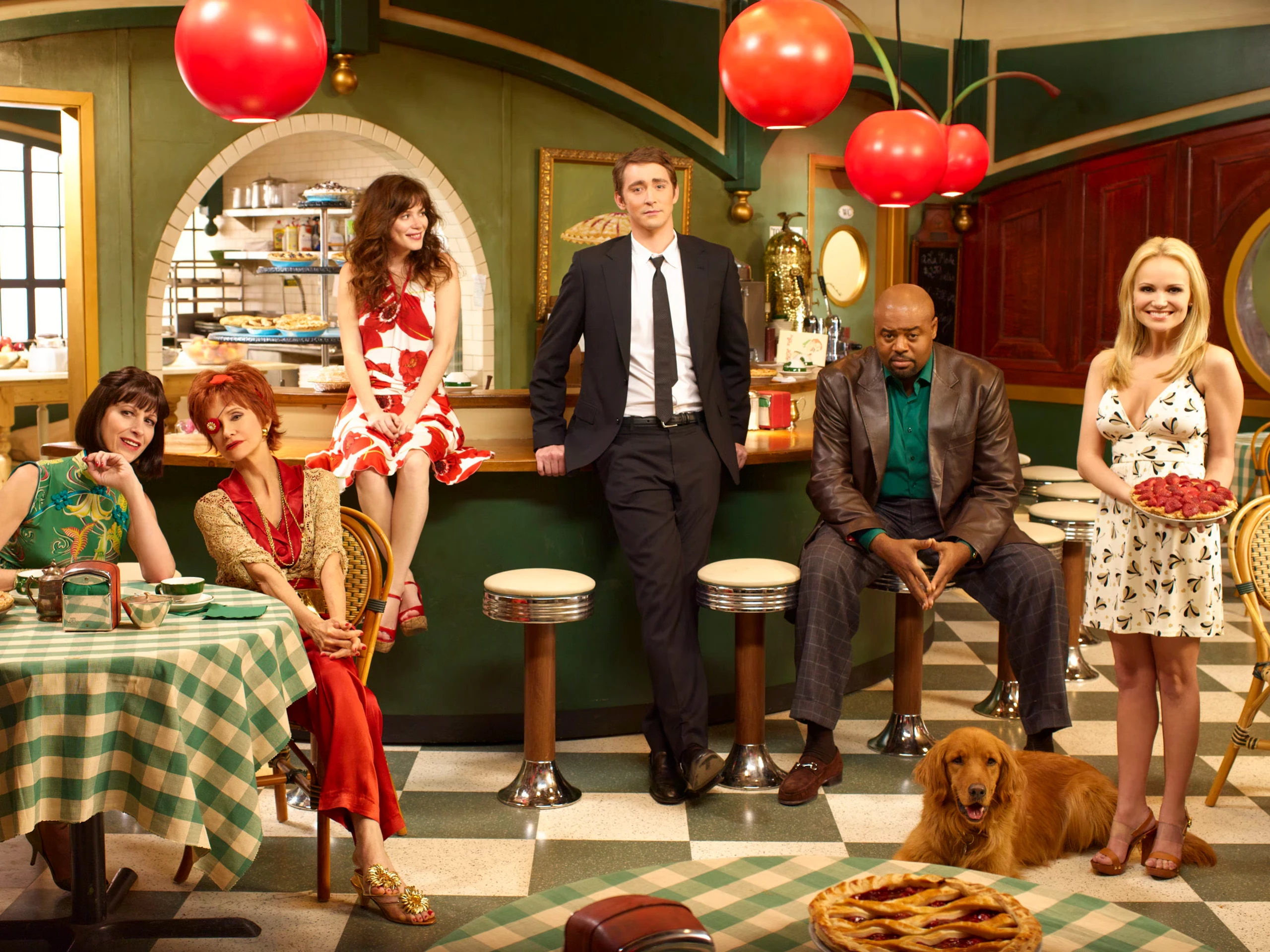
The idea that fabric can speak louder than dialogue finds perhaps its most candy-colored expression in Pushing Daisies, Bryan Fuller’s visually effervescent ode to life, death, and pies. Costume designer Robert Blackman, whose palette was less sepia-toned nostalgia and more technicolor daydream, dressed characters in cheerful yellows, nostalgic reds, and full-skirted silhouettes that leaned heavily on 1950s optimism.
Chuck’s wardrobe, in particular, functions like emotional armor: sunshine dresses for a girl who literally can’t be touched. In Daisies, color is narrative. Pastel is philosophy.
Babylon Berlin (2017–2020)
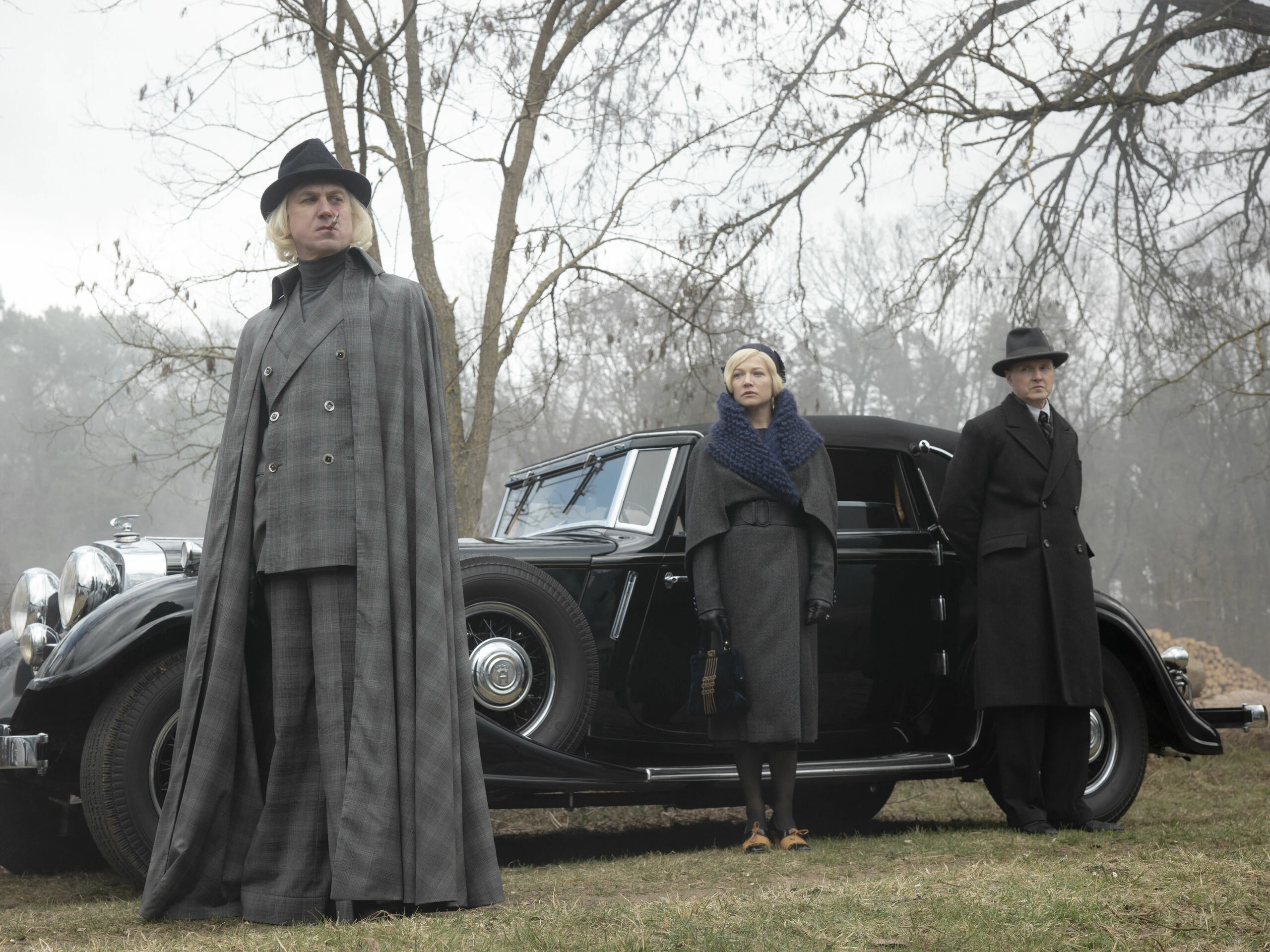
But if whimsy is one axis of prestige costuming, then blood-streaked glamour forms its counterpoint. Enter Babylon Berlin, the German noir series set in the roiling decadence of Weimar-era Berlin. Here, clothes become class warfare. Costume designer Pierre-Yves Gayraud was instructed to let realism override beauty: “If a costume needs to be ugly, it’s ugly.”
Yet within that mandate exists sublime contradiction. Prostitute or politician, each character emerges in meticulously researched garments, hundreds of them. With a €6 million budget, Pierre-Yves built a visual archive of a society on the brink.
Carnival Row (2019–2023)
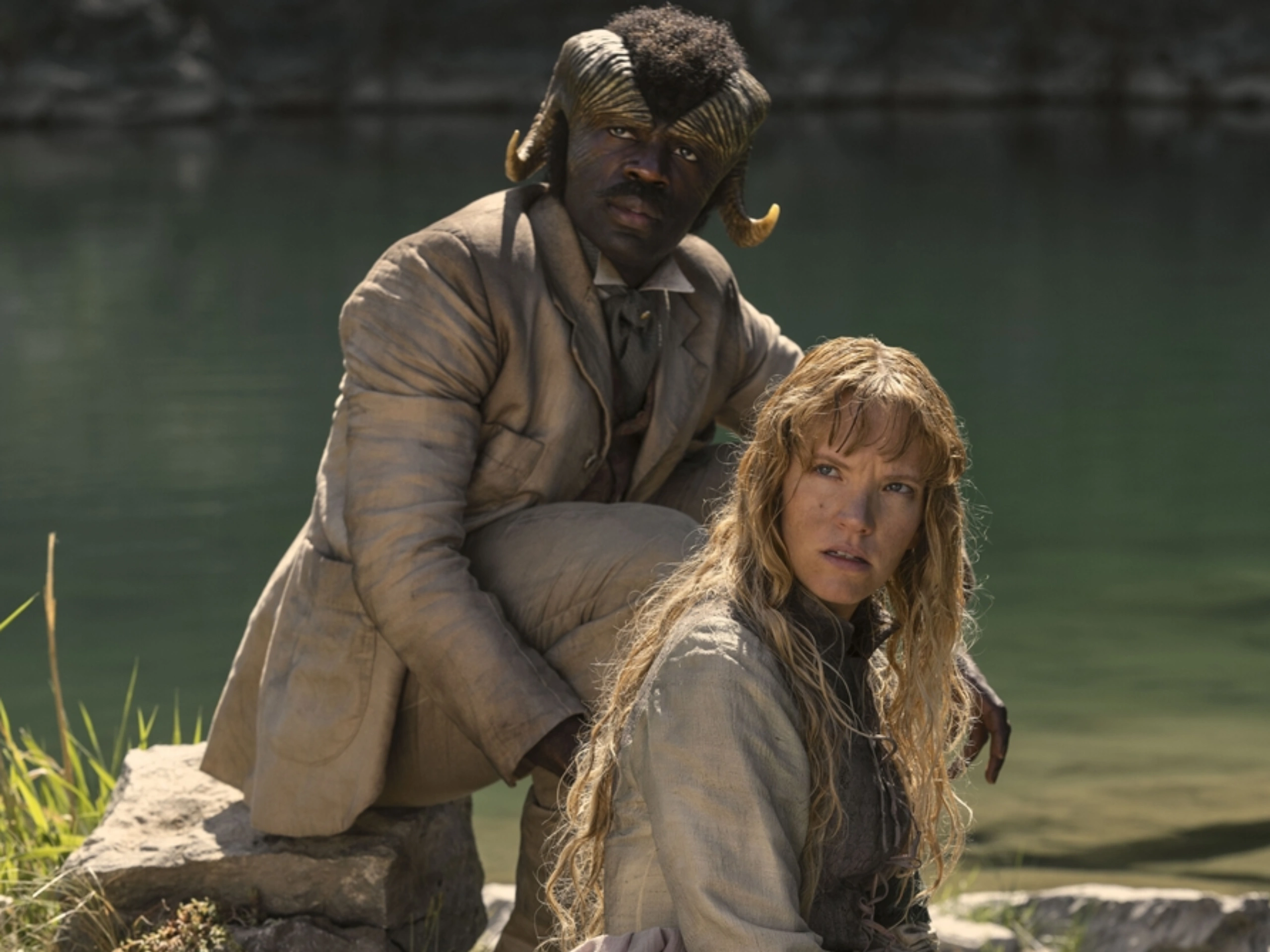
In the steampunk-fantasy swirl of Carnival Row, Victorian silhouettes entwine with fae-inspired detail. Costume designer Joanna Eatwell (veteran of Ripper Street and Wolf Hall) dresses her characters as though every hemline were a thesis. Corsets mingle with vine-embroidered cloaks, while faeries sport winged motifs embedded in lapels.
The aesthetic blends realism with dream logic, as if Charles Dickens had drafted a fashion editorial. Even brothel scenes, flamingo wigs, satin robes, and mustard stockings pulse with saturated decadence. It’s a world stitched together from velvet and ash.
Dickinson (2019-2021)
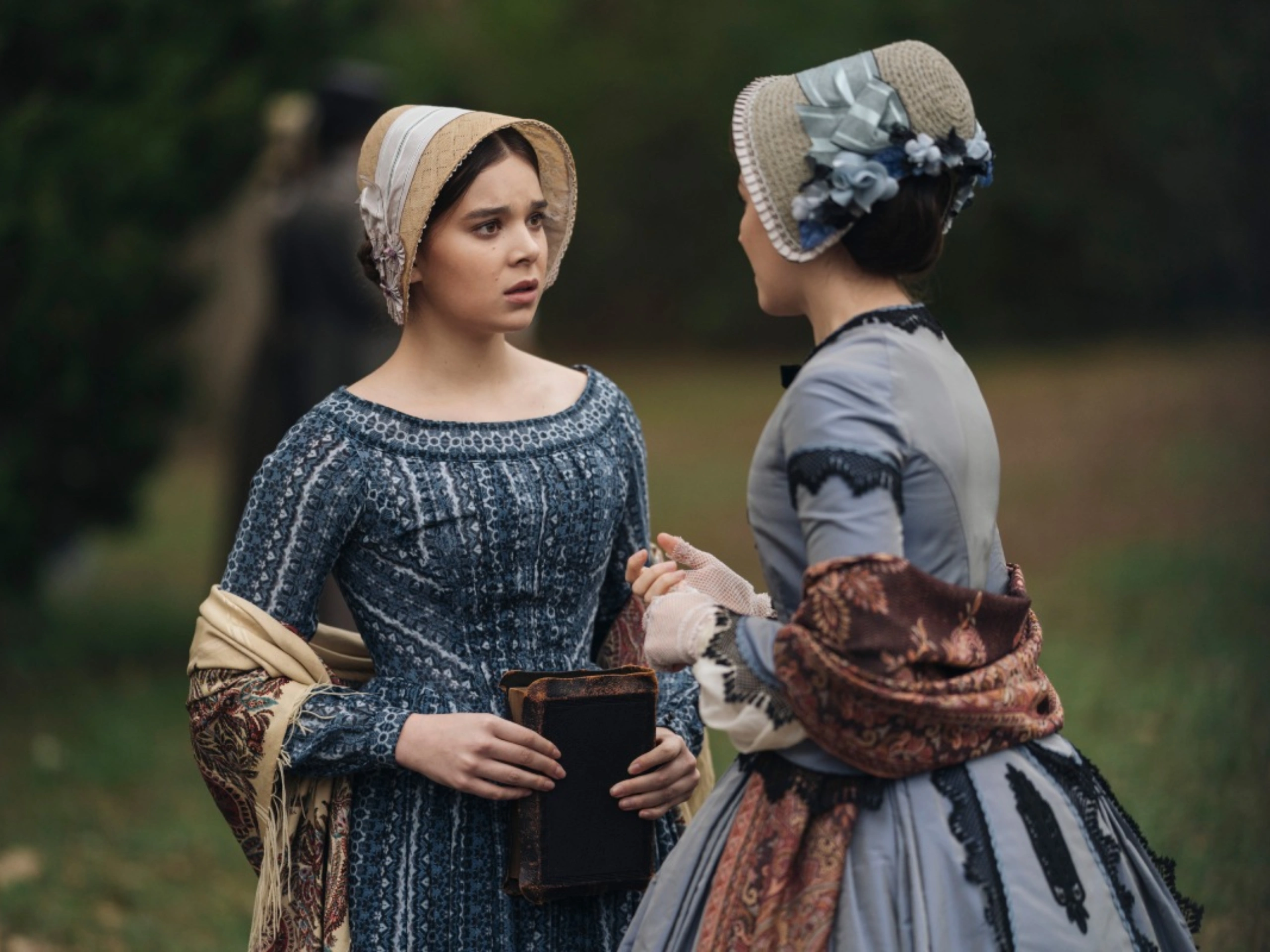
But anachronism, when wielded intentionally, can be just as electric. Dickinson reimagines the 19th century through the filter of Tumblr-era irreverence. Emily Dickinson wears velvet ballgowns with contemporary boots while Sue Gilbert glows in a gold lamé gown that wouldn’t look out of place at a Met Gala. Costume designer Jennifer Moeller blends eras with a wink, history made romantic and accessible. In Dickinson, lace and lamé are co-conspirators.
Good Omens (2019)
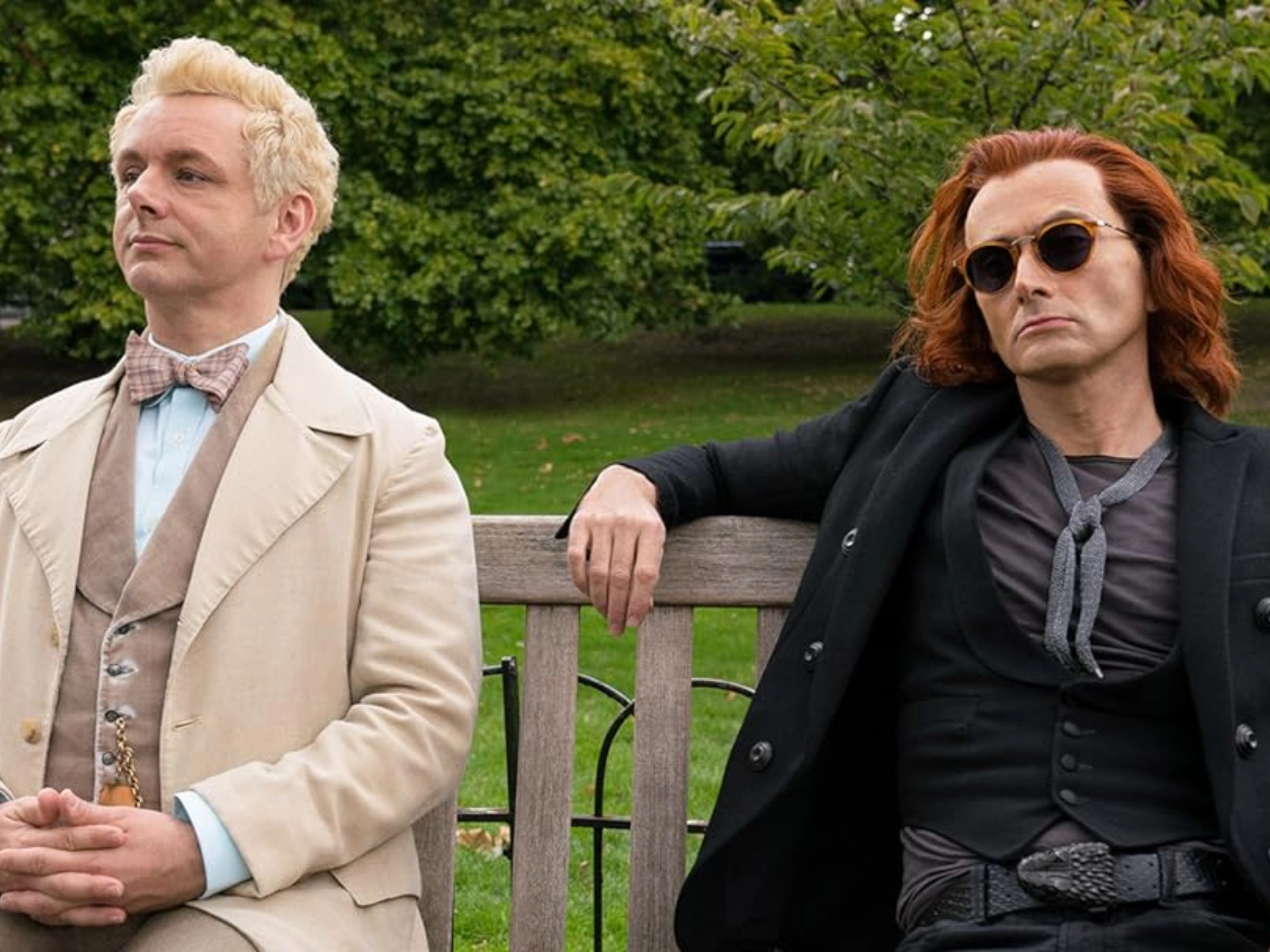
That same spirit of temporal fusion defines Good Omens, in which an angel and a demon skip merrily across millennia. Claire Anderson’s costumes chart time like a narrative device: medieval doublets, 1960s suits, even snake-motif sunglasses that inexplicably appear in the Victorian era.
Aziraphale and Crowley’s wardrobes are consistent in their contrasts: soft pastel brocades versus black leather cool, each representing their metaphysical inclinations. It’s fashion as theology and irony woven in silk thread.
American Gods (2017-2021)
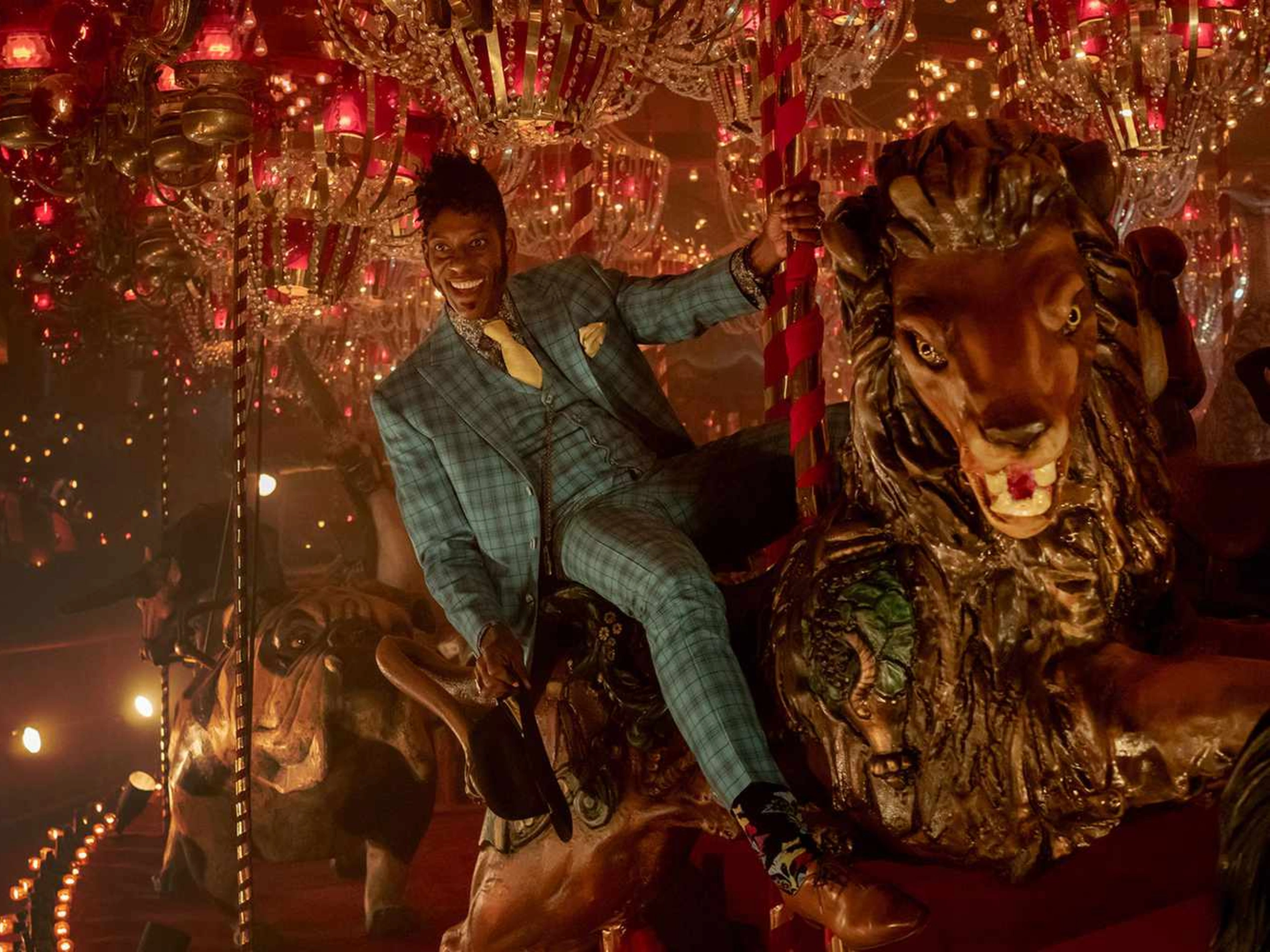
And then there’s American Gods, where mythology becomes runway. Suttirat Larlarb outfits gods in pop culture’s greatest hits, Media as Ziggy Stardust and Bilquis in a gown of liquid gold. The new gods of digital worship don neon and pixel art; the old gods, meanwhile, rumpled elegance. Each garment is a semiotic cipher.
Across genres and continents, these shows share a belief in clothes as language. Not mere trappings of historical verisimilitude, but integral elements of narrative construction. The fabric, quite literally, becomes the fiction.
As the line between film and fashion editorial blurs, costume design in prestige television constructs the character. It’s an architecture of identity and a wearable mythology. In a culture increasingly defined by image, perhaps it’s only natural that the most compelling characters say what they mean not in monologues, but in millinery.
Photos courtesy IMDB