Can Fragrances Thrive Without the Fragrance Counter?
As the traditional perfume counter fades, a new era of data-driven storytelling and scent wardrobes is transforming how we wear and buy fragrance online




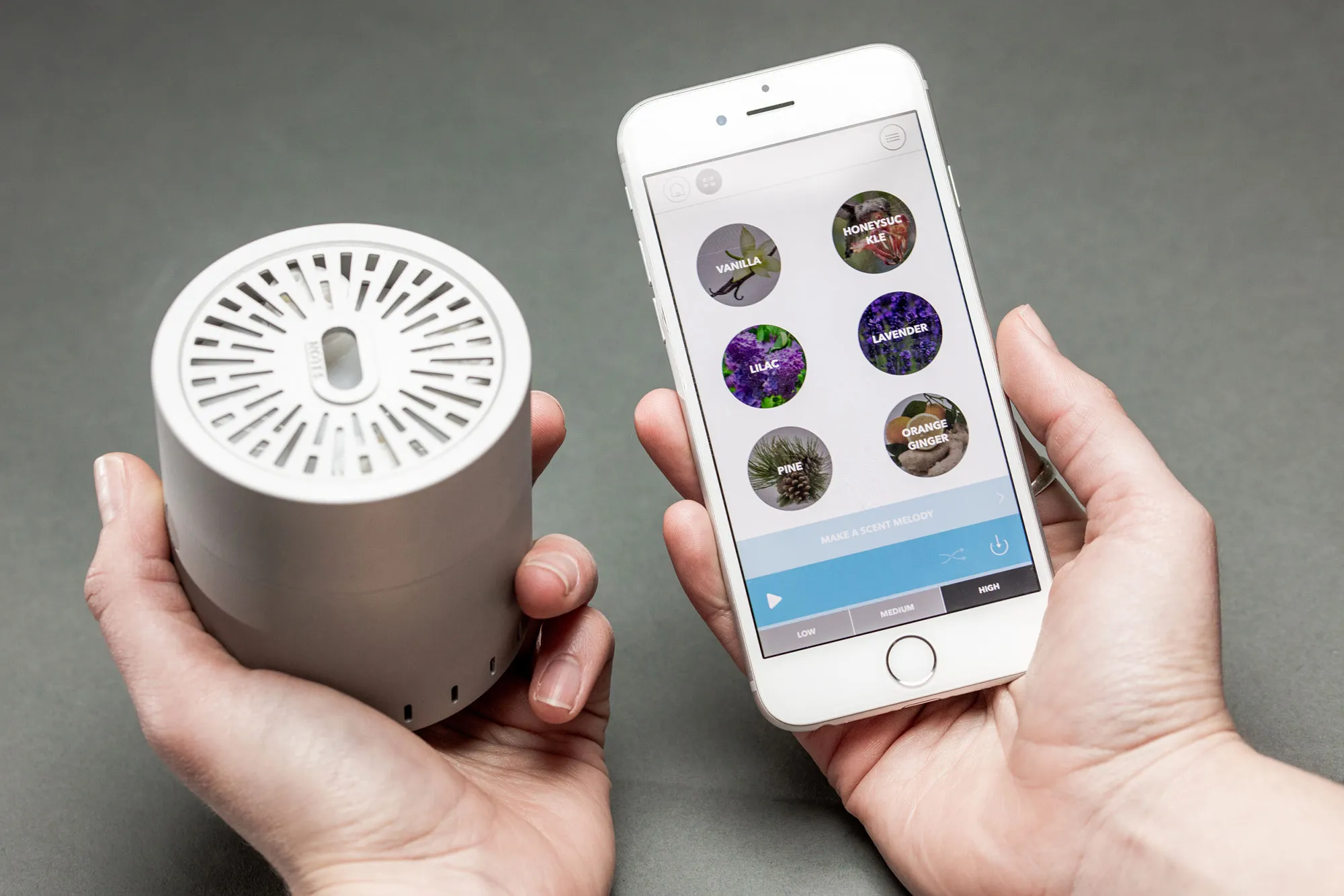
For decades, the perfume counter was the undisputed cathedral of the fragrance world. Rows of glass bottles, paper strips, and the cloud of competing top notes defined the ritual of discovery. Today, that ritual is shifting.
As department stores lose ground across many global markets, the fragrance industry is undergoing a digital renaissance. What was once considered nearly impossible to sell online has become one of beauty’s fastest-growing e-commerce categories.
Across major markets in Asia, Europe, and North America, a growing share of fragrance purchases now takes place digitally. The shift has reshaped how perfume is positioned. It is no longer simply a lifelong signature scent but a flexible accessory, a collectible object, and a core element of personal style.
Beyond the signature scent
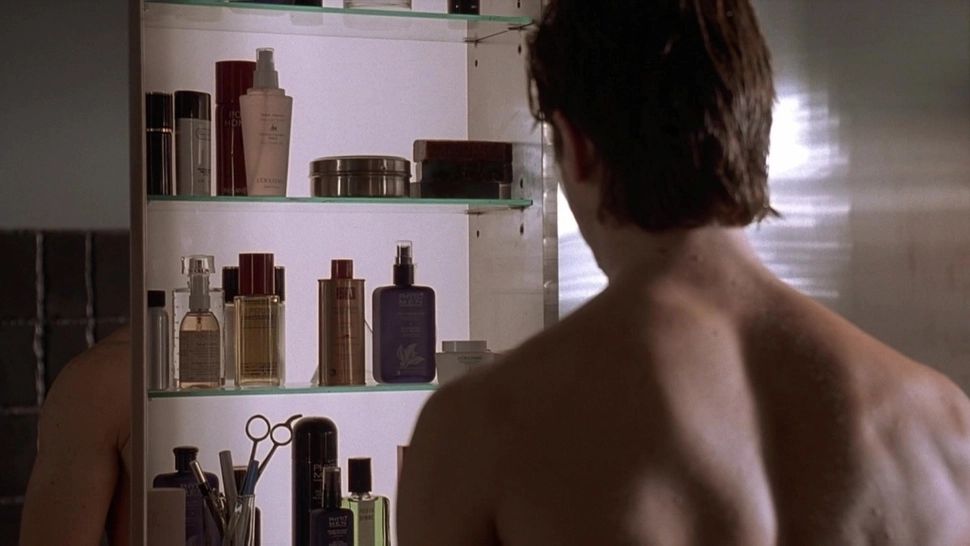
The traditional idea of a single signature scent defining a person’s identity is fading. Consumers now treat fragrance like a rotating wardrobe or sneaker collection, switching scents depending on mood or aesthetic.
Brands have responded by positioning fragrances as modular accessories. Data-driven tools and immersive digital interfaces guide users toward building personal scent wardrobes suited for different moments. A clean laundry accord for work, a smoky oud for evening, or a citrus composition for travel can now be selected and purchased entirely online.
Discovery through digital storytelling
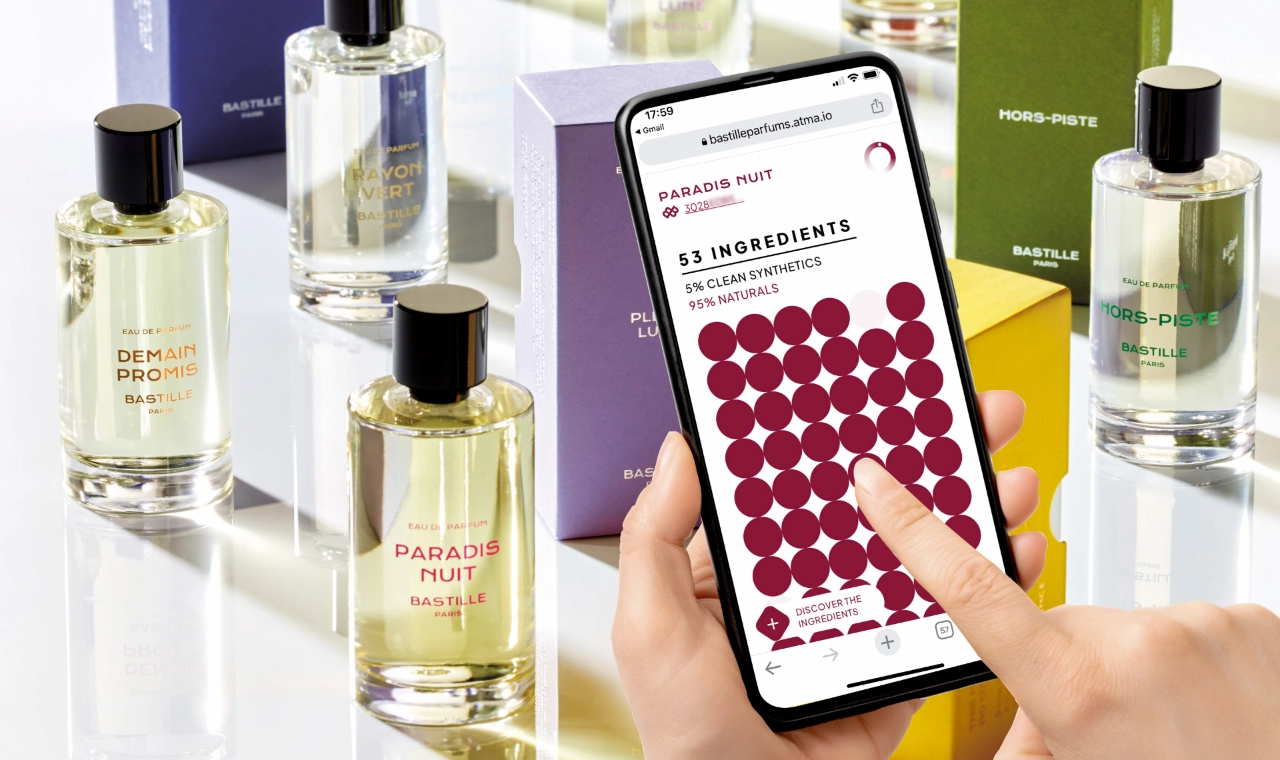
To compensate for the lack of physical scent, brands are experimenting with new forms of digital storytelling. Visual olfaction translates fragrance notes such as sandalwood or bergamot into colors and textures through high-definition video and visuals. The goal is to let consumers imagine the aroma through sight and narrative.
Scent quizzes, digital scent maps, and curated discovery sets have replaced the traditional paper tester. At the same time, social platforms have transformed fragrance into a visual hobby. “Shelfies” displaying carefully arranged perfume collections now function as both aesthetic statements and recommendations.
Fragrance as a collectible
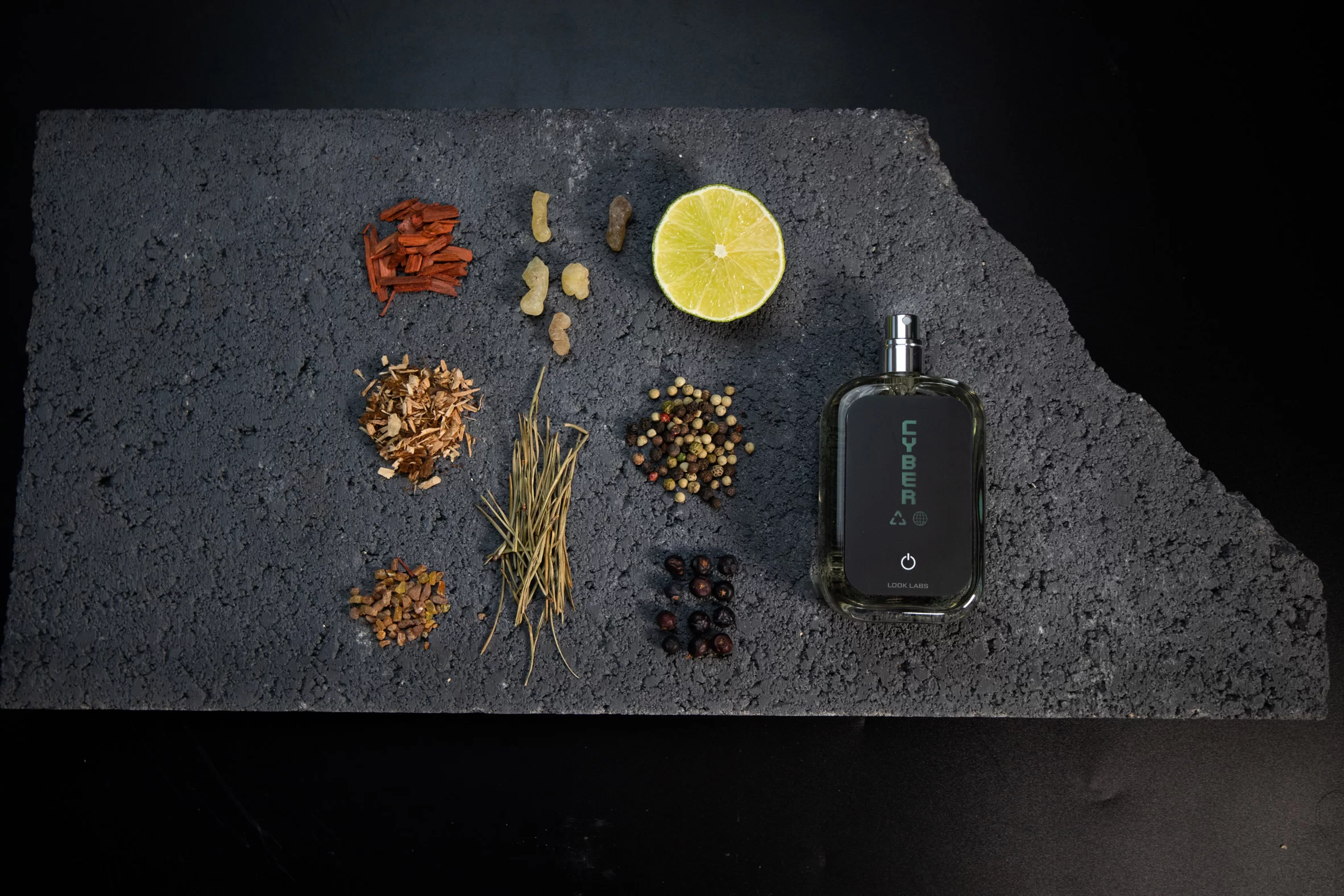
The rise of digital retail has also elevated the bottle itself into a design object. When the purchase happens through a screen, packaging and storytelling often carry as much influence as the scent inside.
The rise of digital retail has also elevated the bottle itself into a design object. When the purchase happens through a screen, packaging and storytelling often carry as much influence as the scent inside.
Perfume increasingly operates like a collectible. Limited-edition launches, exclusive collaborations, and digitally linked experiences invite consumers into a broader brand universe. The fragrance becomes both a sensory product and a cultural artifact tied to design and identity.