Why the Fuzzcut Is the New Hairstyle For You
Moving past severe military skin fades, the pitch’s biggest goal-scorers are making a textured, grown-out buzz the go-to aesthetic for modern men




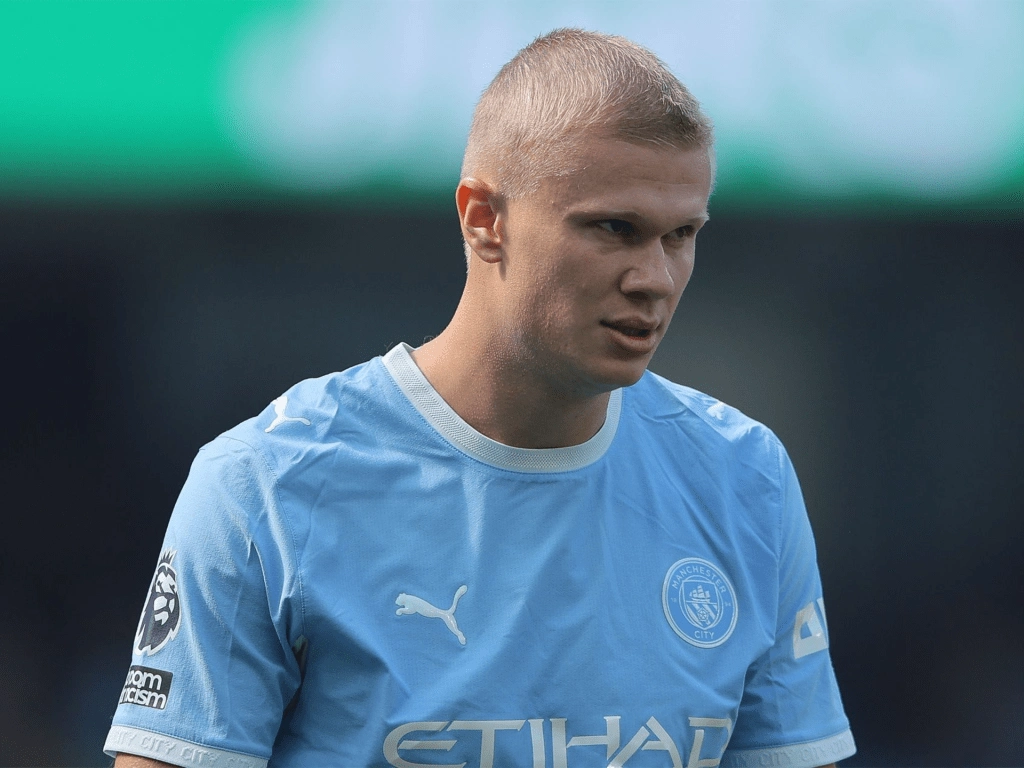
- Football icons Erling Haaland and Cristiano Ronaldo are popularizing the “fuzzcut,” an effortless middle ground between a close buzz and a short textured crop.
- The cut delivers the athletic convenience of a cropped head while maintaining enough velvet texture on top to soften facial features.
Trading severe skin fades for soft texture
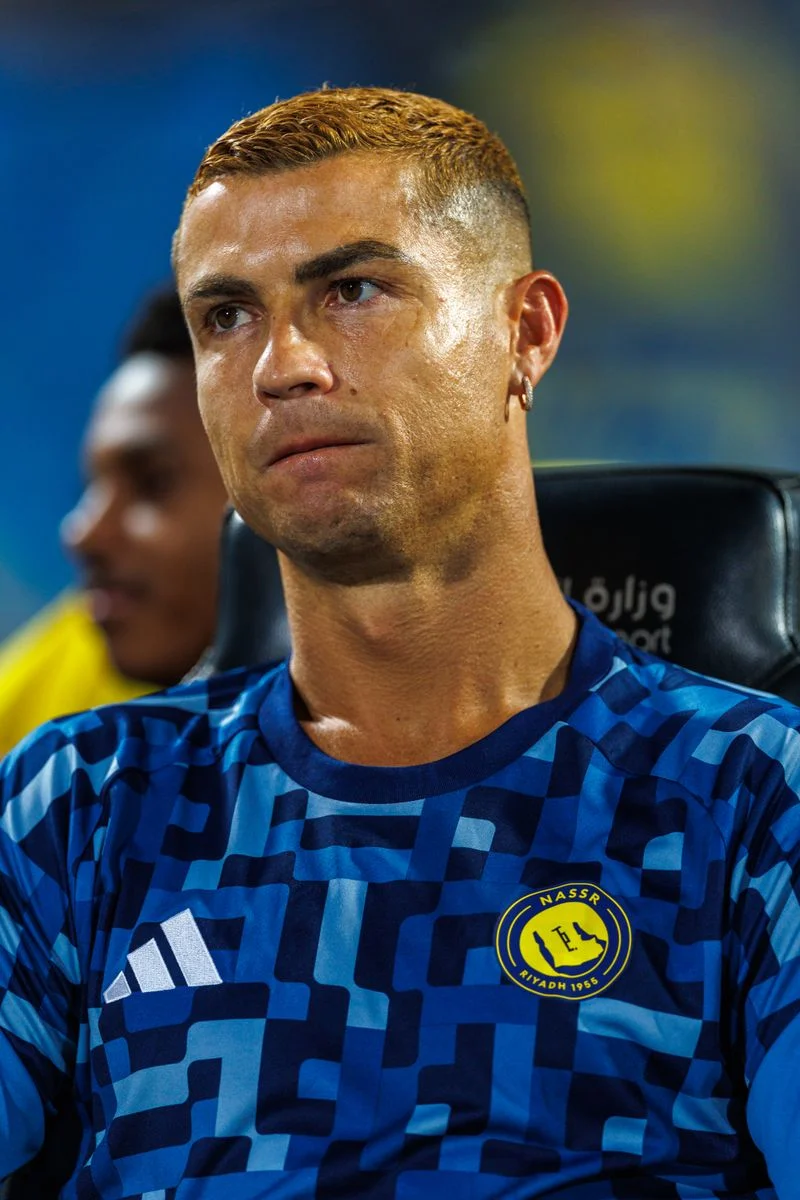
For years, athlete hairstyles favored sharp line-ups and aggressive skin fades. That look is now shifting to something more natural, led by Erling Haaland cutting his long hair and Cristiano Ronaldo refining his athletic style.
Enter the fuzzcut: a deliberately softer, finger-length buzz that leaves just enough density on top to create visible texture and subtle shadow. It avoids the severe, scalp-exposing look of a traditional military buzz in favor of a soft, velvety finish.
By embracing this in-between length, both superstars prove that low-maintenance grooming can still look tailored and intentional. The style captures an understated, effortless energy that feels right at home under stadium floodlights or paired with relaxed luxury tailoring off the pitch.
The universal appeal of low-fuss versatility
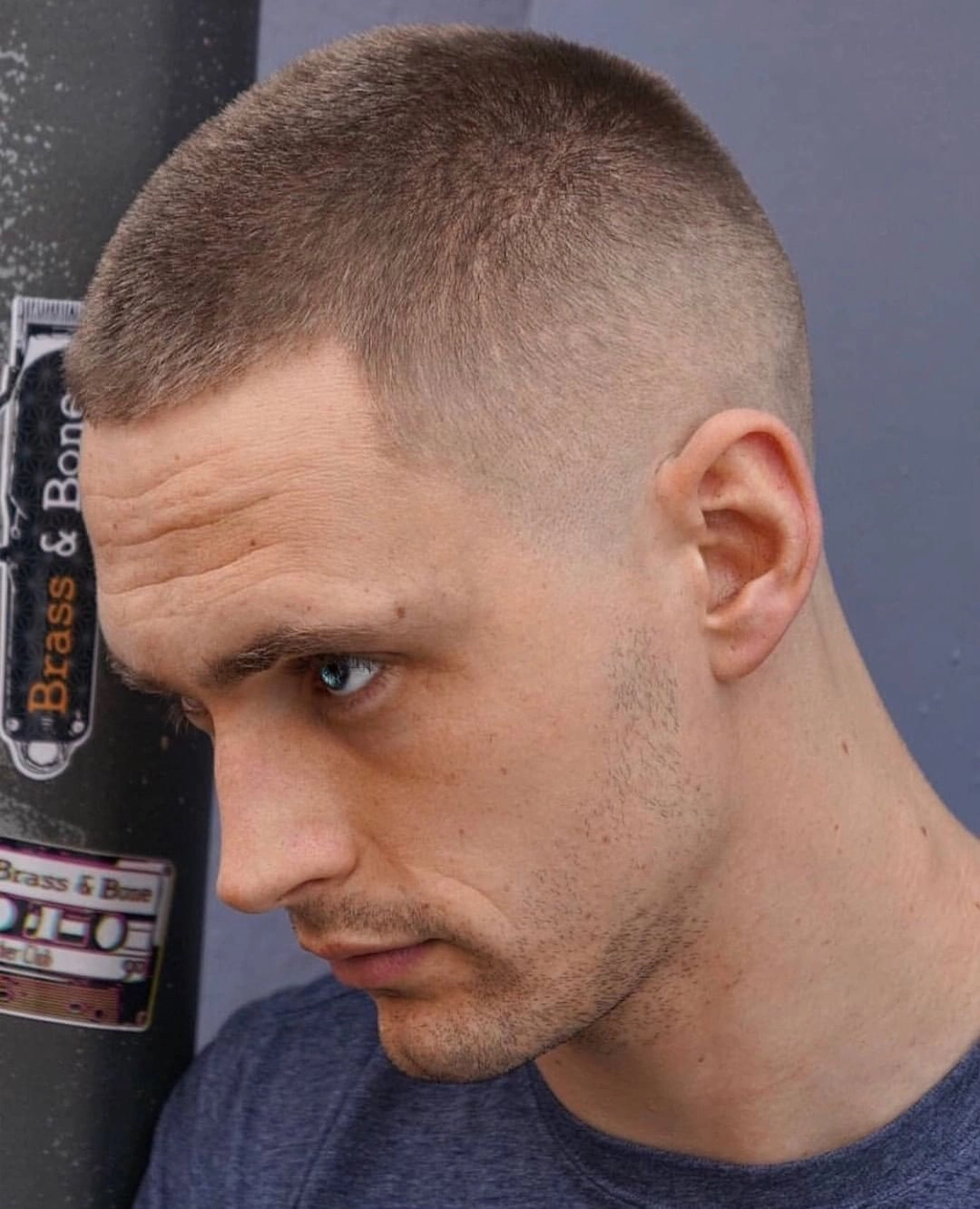
The primary driver behind the fuzzcut’s explosion in barber chairs is its forgiving adaptability compared to a severe buzz. A traditional grade-one cut exposes every head shape irregularity, whereas the slight density of a fuzzcut flatters a wider range of jawlines and face profiles.
It also eliminates the daily battle with heavy pomades, clays, and constant mirror checks. The look thrives on natural movement and requires nothing more than a quick towel dry to look sharp straight out of the shower or post-match training session.
Furthermore, the style handles the awkward grow-out phase far better than hyper-short skin fades. It naturally transitions into a short textured crop over several weeks, making it an ideal, low-anxiety reset for men looking to simplify their daily hair routine.
How the pitch has always dictated barbershop culture
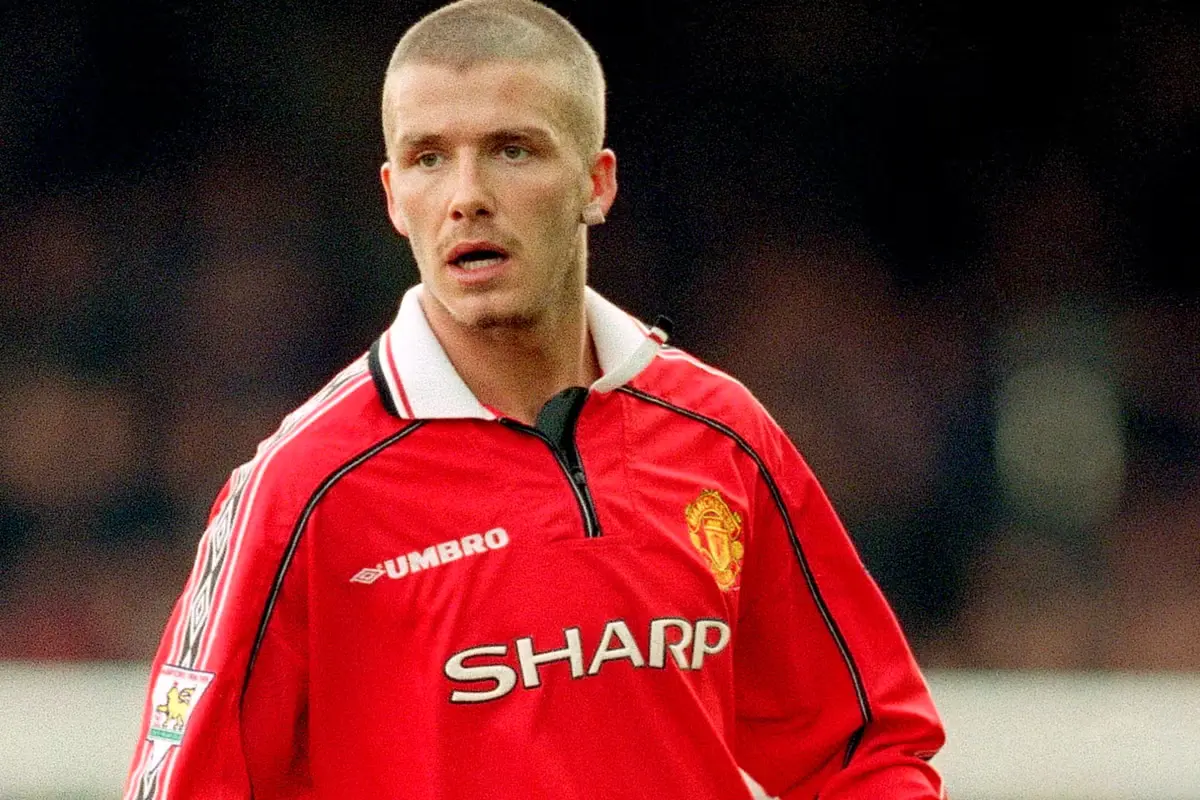
Footballers are key grooming tastemakers who turn broadcasts into style runways. In 2000, David Beckham sparked a global trend when he shaved his blonde curtains into a buzzcut, leading fans worldwide to request the same cut.
That shift launched iconic pitch-driven hair trends—from Brazilian Ronaldo’s 2002 World Cup patch to Olivier Giroud’s pompadour, and Paul Pogba’s dyed fades—that shaped global street style.
Haaland and Ronaldo’s adoption of the fuzzcut continues this sporting tradition, shifting grooming toward functional minimalism. By demonstrating the effortless appeal of a textured crop, they confirm that pitch styles still drive global hair trends.
Frequently Asked Questions
A traditional buzz is clipped extremely close to the scalp, while a fuzzcut leaves slightly more length on top (typically a grade 3 to 5) to retain tactile, velvety texture.
Ask for a textured, grown-out buzzcut on top with soft scissor work or a higher guard, blended seamlessly into a clean taper or low fade around the ears and neck.
While styling products are completely optional, a pea-sized amount of matte paste or texturizing dust can enhance surface definition without weighing it down.
Yes, the soft texture and uniform density of a fuzzcut actually help minimize the visual contrast between thin areas and fuller hair.
A maintenance appointment every three to four weeks is usually plenty to keep the perimeter neat and prevent the top from becoming overgrown.
Recommended Video