
The Secret to Great Business Casual Is Keeping It Simple
A smarter wardrobe starts with fewer and better pieces. Here’s where to begin





- Business casual has evolved. Modern workplace style favors versatility over rigid dress codes, making timeless staples more valuable than trend-driven pieces.
- Focus on the fundamentals. A well-fitted blazer, neutral colors, tailored trousers, quality shoes, and proper fit are the building blocks of a good wardrobe.
- Keep it simple. Invest in quality basics and build a wardrobe with pieces that mix and match for any occasion.
What does business casual even mean nowadays?
The office wardrobe is in the middle of another reset. As corporate dress codes continue to loosen, the definition of business casual has become more flexible than ever.
Suits are no longer expected every day, but hoodies and gym clothes still have their limits. Somewhere between the two sits a style category that has become surprisingly difficult to define.
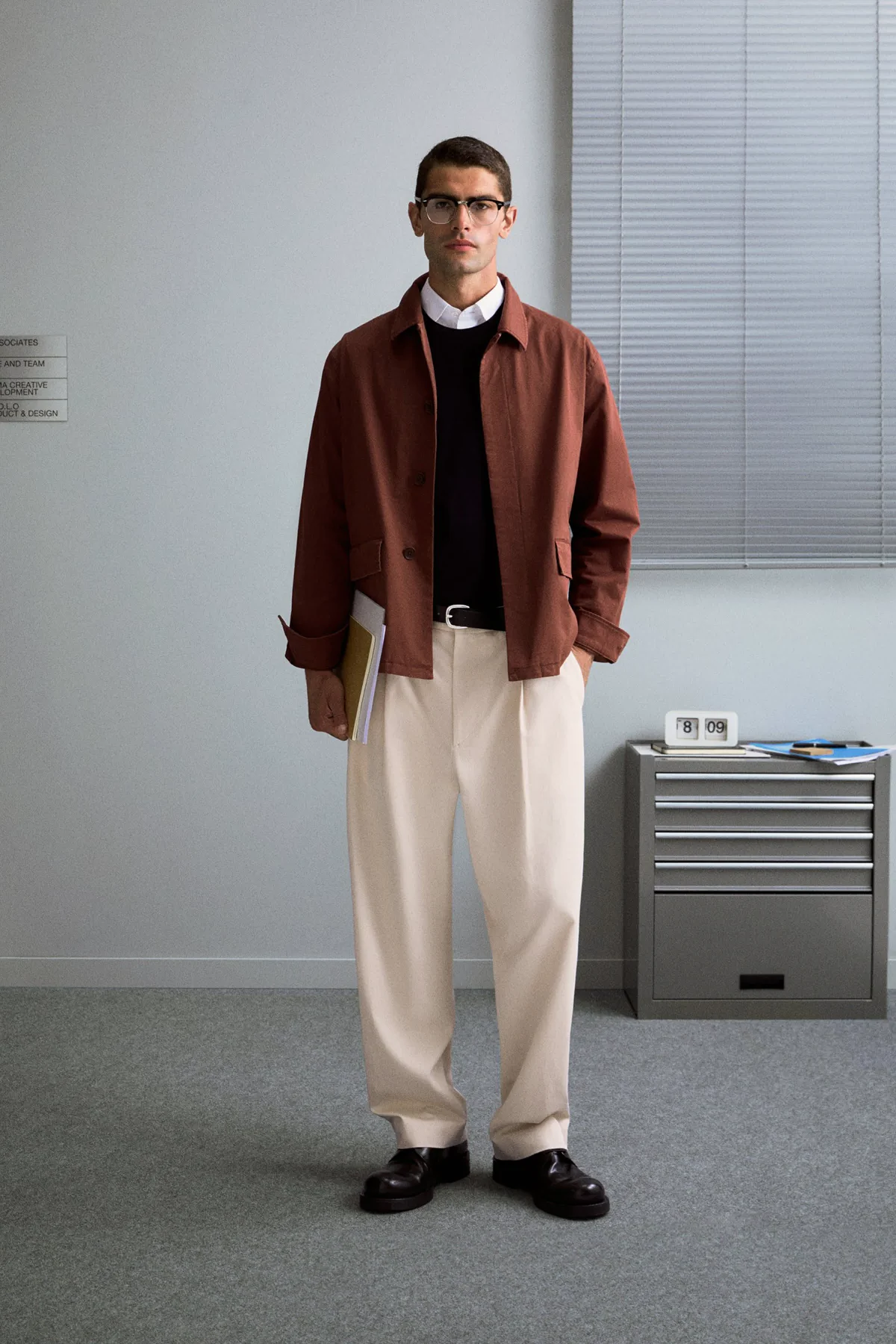
It’s this uncertainty that has inspired countless styling videos and office outfit formulas. Yet the strongest business casual wardrobes rarely depend on what’s trending. They rely on timeless pieces that can move between meetings, client lunches, after-work dinners, and everything in between.
Today’s take on business casual starts with making smart choices. Here’s how to build a wardrobe that works, without overcomplicating it.
Start with a well-fitted blazer
Every business casual wardrobe benefits from a blazer that fits properly. It remains one of menswear’s most versatile pieces, instantly making even the simplest outfit feel more like you.
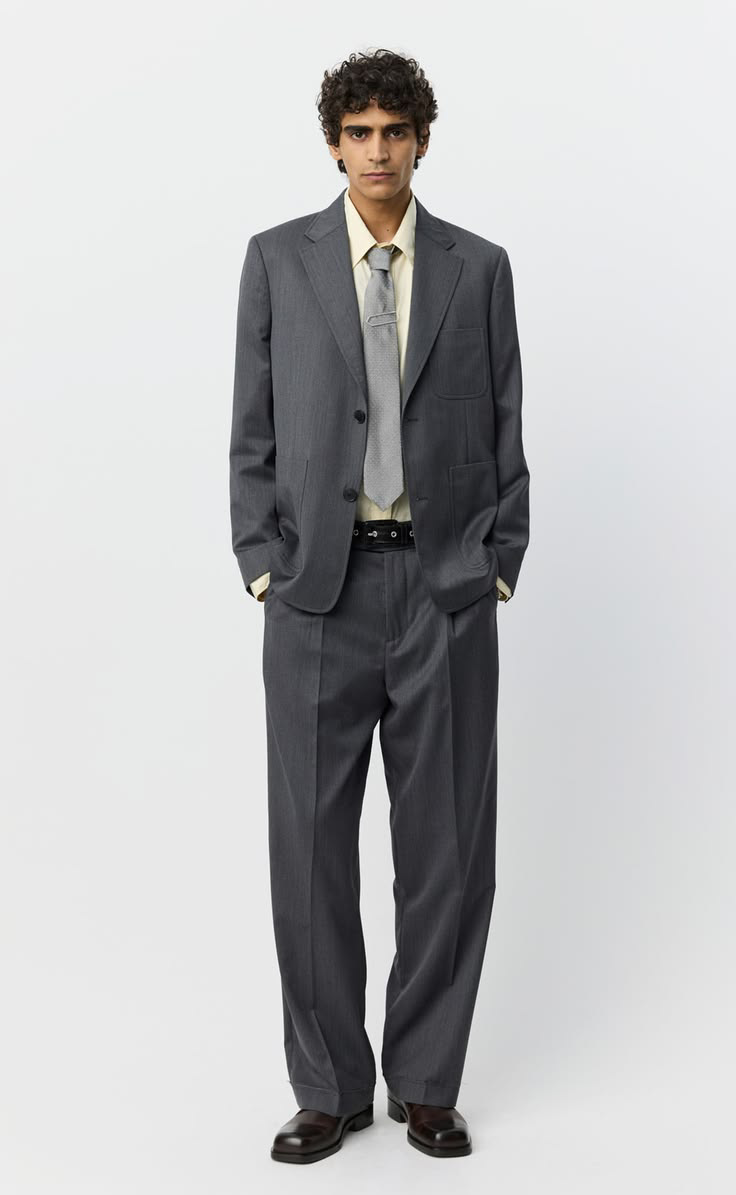
Choose classic colors such as navy, charcoal, or brown for maximum versatility. These shades pair easily with shirts, knitwear, chinos, and even dark denim in more relaxed workplaces. The goal is to think of the blazer as the finishing layer that ties an outfit together.
Stick to neutral colors
A muted color palette makes getting dressed significantly easier. Navy, white, grey, black, olive, beige, and brown can be mixed together with little effort, creating a wardrobe where nearly every piece works with another.
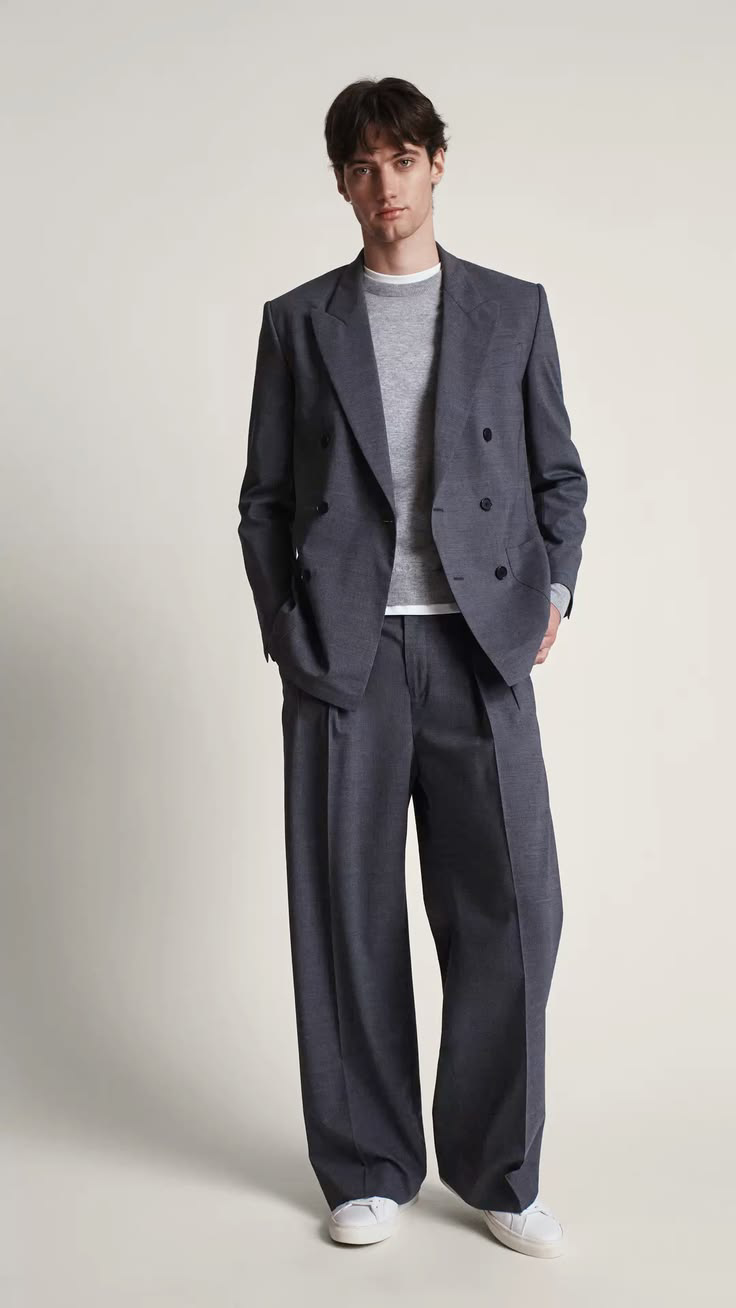
Rather than relying on bold colors or loud prints, add visual interest through texture, whether that’s lightweight wool, cotton, suede, linen, or knitwear. Remember: neutral dressing simply gives your clothes more longevity. Try it out.
Wear tailored trousers or chinos
While denim has earned a place in many modern offices, tailored trousers and well-cut chinos remain the foundation of business casual.
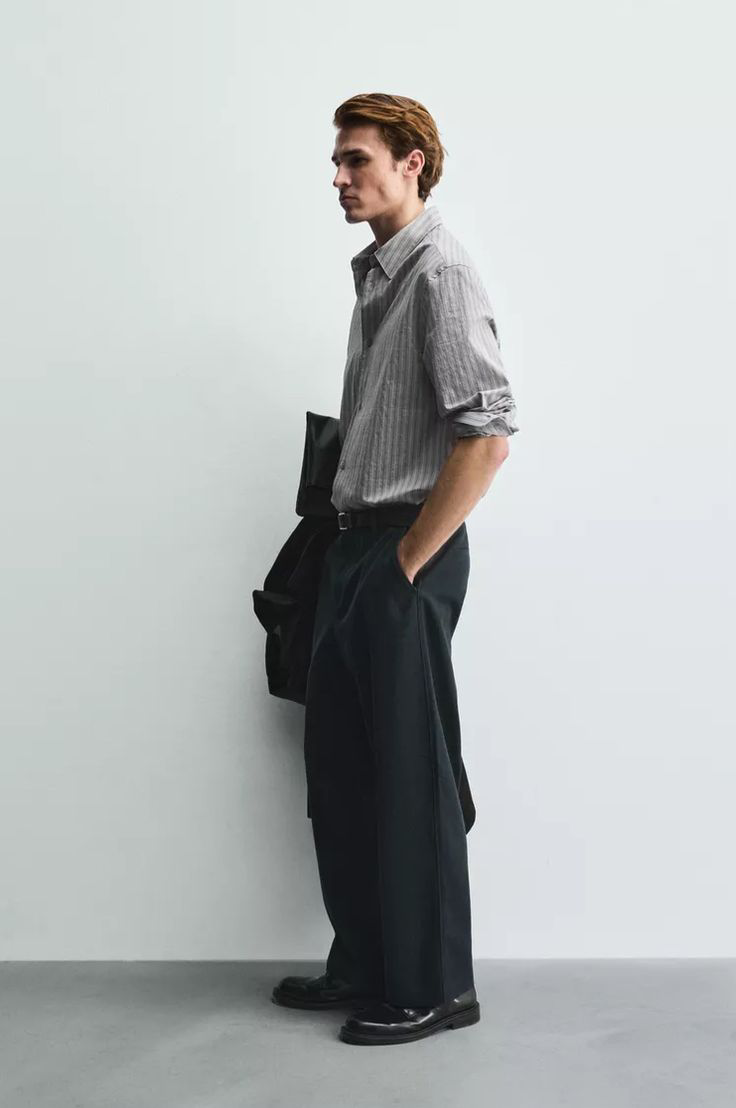
Look for clean silhouettes that skim the leg without feeling too slim or overly relaxed. Pleated trousers have also returned in recent seasons. If jeans are appropriate for your workplace, choose dark washes without distressing or excessive fading.
Dress for your workplace
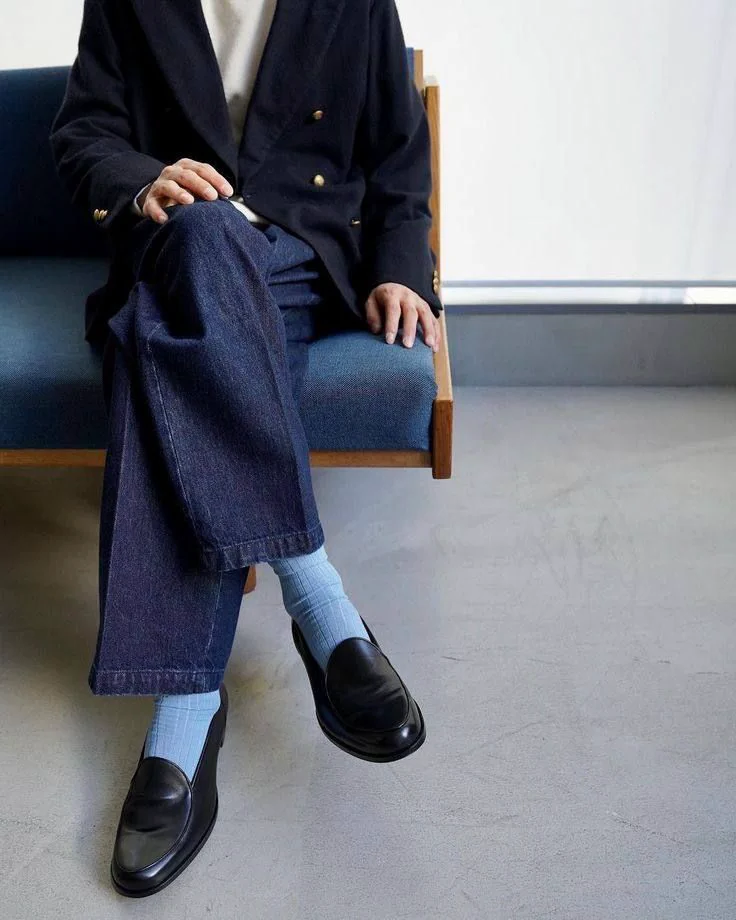
Not every office defines business casual the same way. Creative industries often allow more freedom in what you wear, while more traditional workplaces may still expect, well, traditional attire. Understanding your workplace culture is just as important as understanding the dress code itself.
When in doubt, it’s usually easier to dress slightly smarter than expected and adjust from there.
Pay attention to fit
No single styling tip has a greater impact than fit. An affordable shirt that fits perfectly will almost always look sharper than an expensive designer piece that doesn’t.
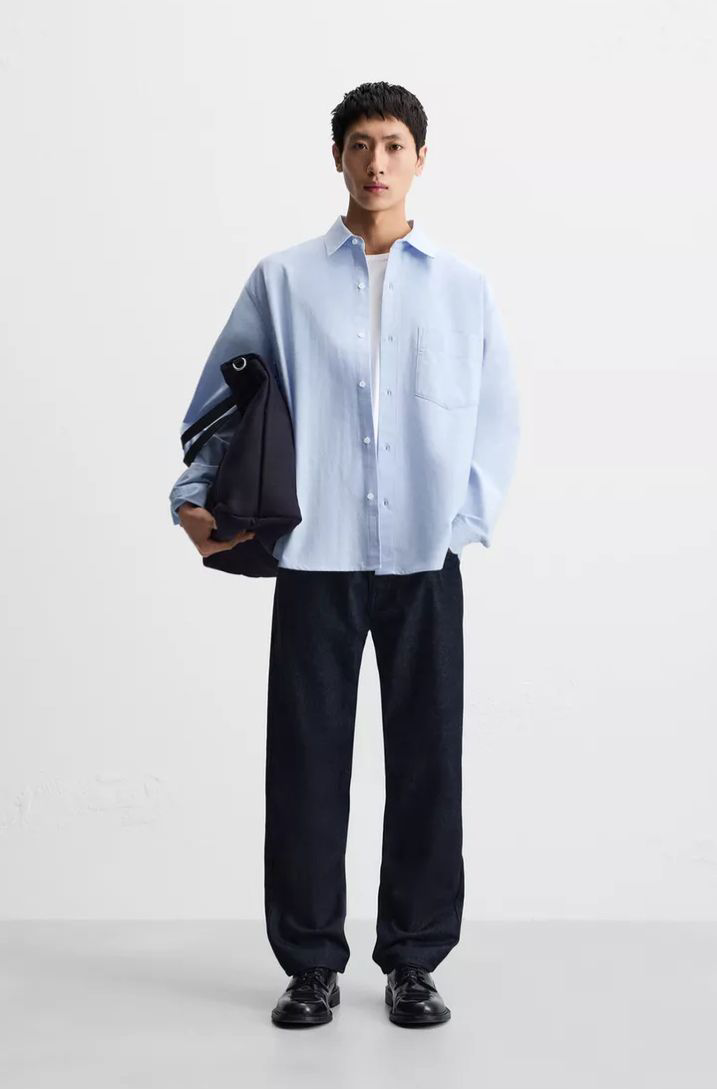
Jackets should sit naturally on the shoulders, sleeves should finish near the wrist, and trousers should break cleanly over the shoe.
Business casual continues to evolve alongside the modern workplace, but its core principles remain remarkably consistent. Invest in quality over quantity and build around versatile essentials. The dress code may have become more relaxed, but good style has always been refreshingly simple.
Frequently Asked Questions
Business casual is a dress code that combines professional pieces with more relaxed essentials.
A strong business casual wardrobe starts with a well-fitted blazer, neutral-colored shirts, tailored trousers or chinos, versatile shoes, and quality basics.
Yes, if your workplace allows it. Choose dark-wash jeans with a clean finish and pair them with pieces like a blazer or polo.
Leather loafers, suede derbies, Chelsea boots, and minimalist leather sneakers are all reliable choices.
Prioritize fit, stick to a neutral color palette, and invest in quality staples that work together.

Recommended Video