
How to Stay Sharp in a Summer Office Heatwave
Maintain an impeccable professional appearance and optimal physical comfort by adapting your tailored wardrobe to extreme seasonal temperatures




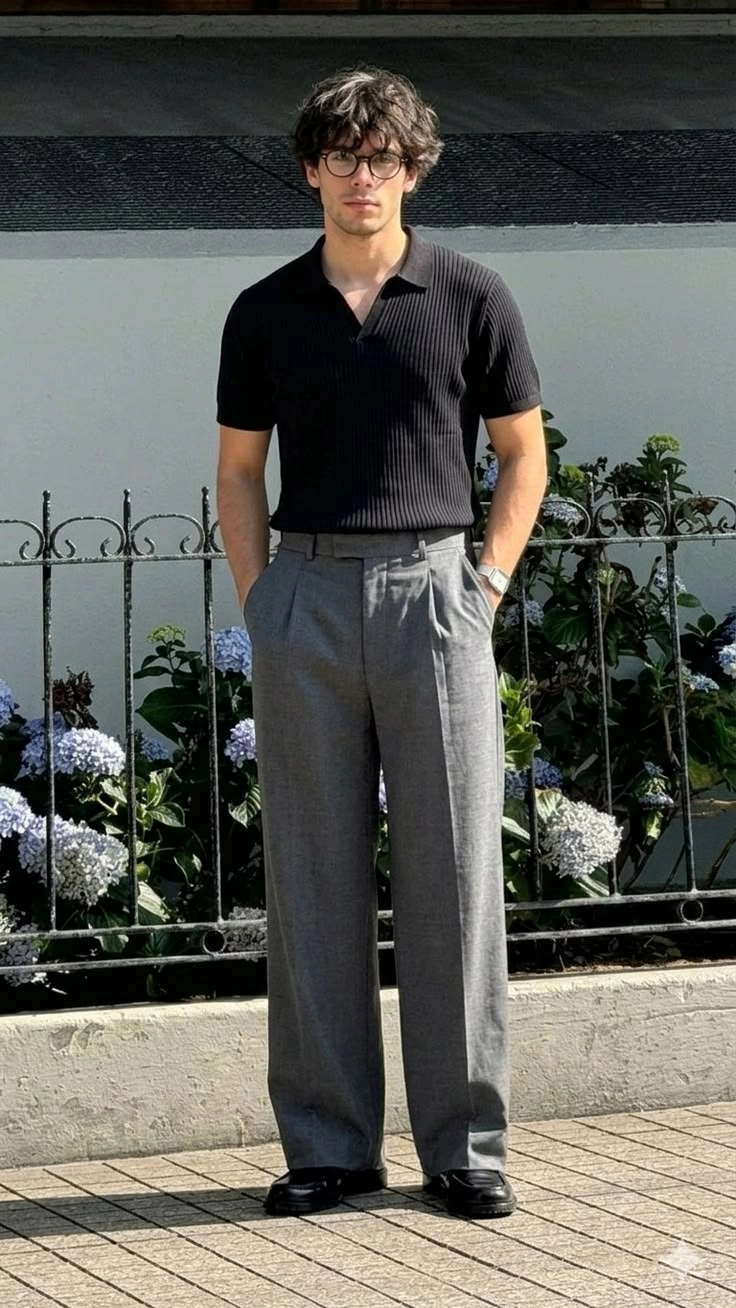
- Navigating high temperatures requires a strategic shift toward lightweight, open-weave natural fibers that promote continuous airflow.
- The ideal summer professional wardrobe balances unconstructed garment silhouettes with light, heat-reflecting color palettes.
- Modifying daily grooming habits and footwear choices prevents thermal discomfort during demanding city commutes.
Prioritizing lightweight, breathable textiles
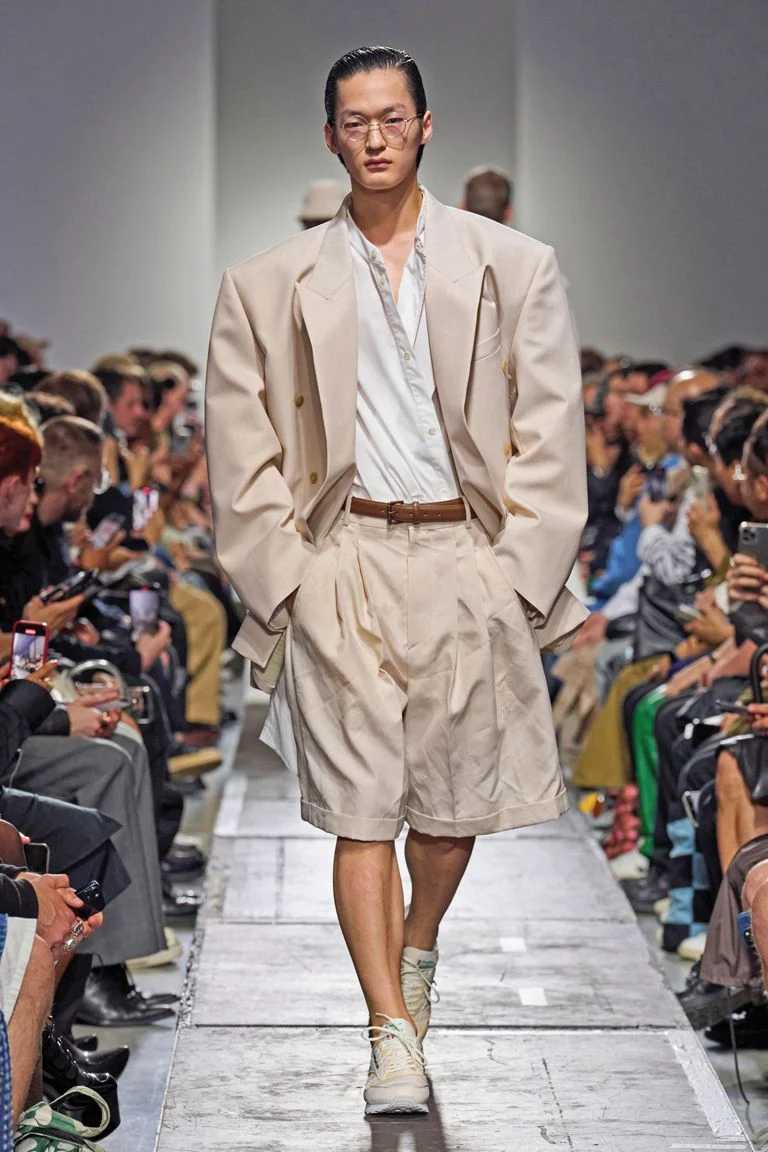
The primary defense against a grueling summer begins with your garment’s fabric composition. Densely woven cloths trap body heat and moisture, rapidly compromising your professional look before you reach your desk.
Linen blends offer an exceptional compromise between high-temperature utility and traditional corporate decorum. While pure linen creases easily, mixing it with cotton or silk provides the necessary strength to resist messy wrinkling.
Furthermore, tropical weight wools remain the gold standard for strictly formal corporate environments. These fabrics use highly twisted yarns that create a lighter weight without losing a smooth, luxurious finish.
Embracing unconstructed structural silhouettes
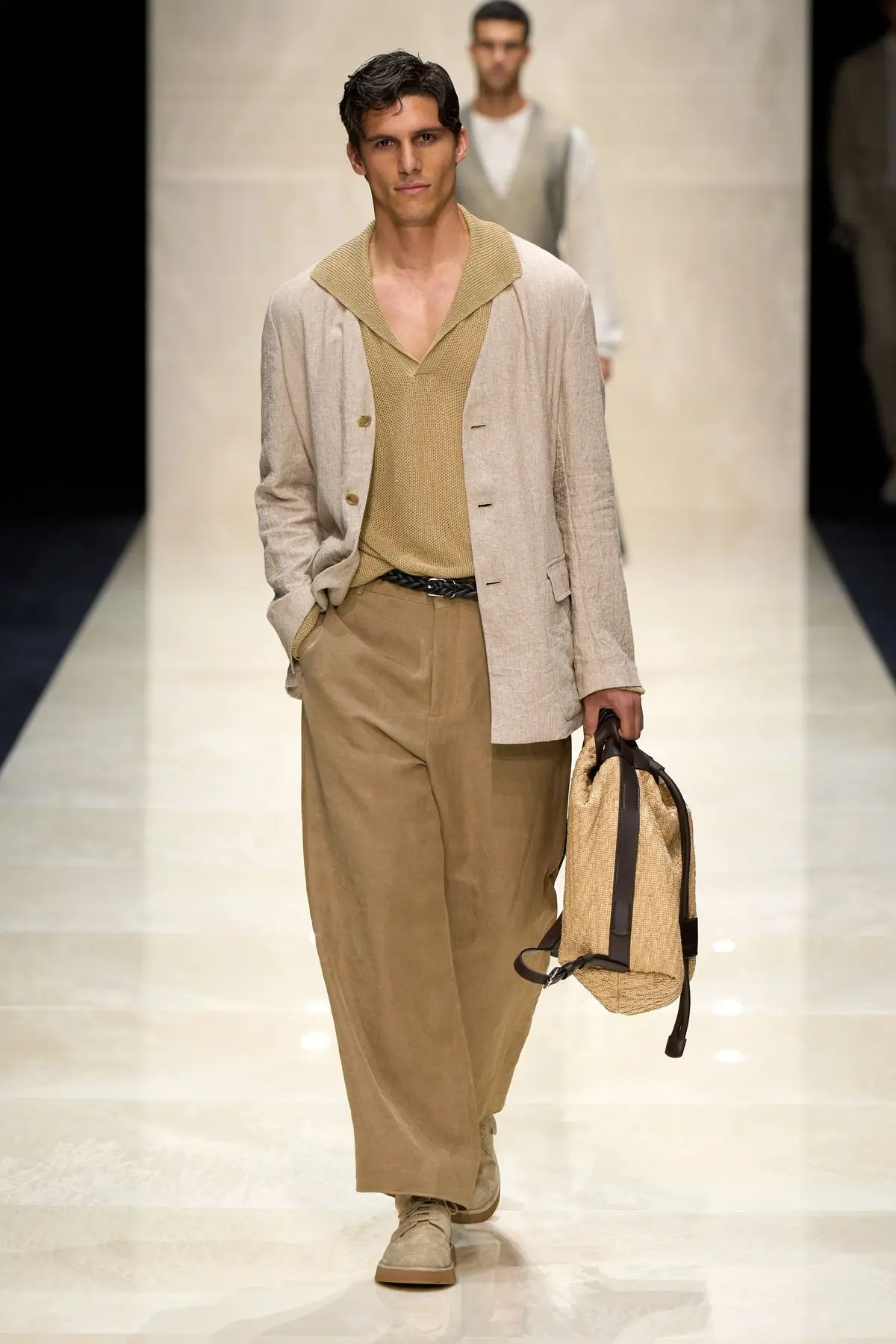
Beyond fabric choice, the internal architecture of your tailoring dictates how much heat your clothing retains. Transitioning to unconstructed or half-lined styles eliminates unnecessary bulk, drastically lowering your core temperature.
An unconstructed blazer completely strips away the rigid chest canvas and shoulder cups, letting the fabric rest naturally. This modification creates a lighter, more flexible garment that moves effortlessly with your body during active commutes.
To maximize this cooling effect, pay close attention to the lining configuration of your summer tailoring. A half-lined or unlined jacket exposes internal seams, allowing body sweat to evaporate quickly rather than pooling against your skin.
Optimizing strategic color and layering choices
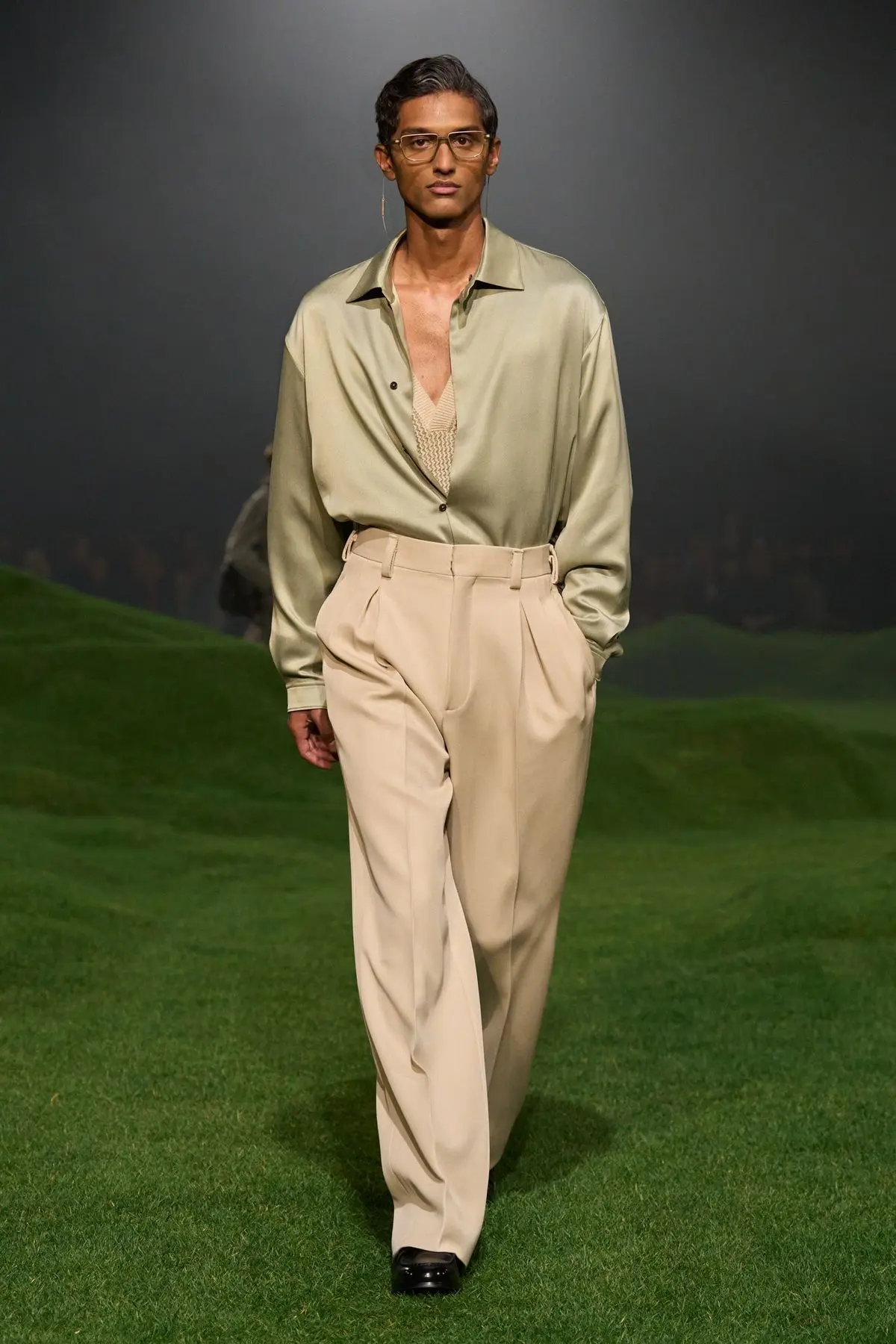
Managing your personal comfort also requires a thoughtful departure from deep, heat-absorbing winter color palettes. Replacing dark colors with light grey, tan, and soft blue tones effectively reflects sunlight away from your body.
Smart layering remains equally vital when transitioning between scorching outdoor streets and freezing, air-conditioned offices. Wearing a lightweight undershirt crafted from breathable micro-modal or fine cotton helps absorb moisture, protecting your primary dress shirt.
Finally, do not overlook the critical importance of seasonal footwear and grooming adjustments to finish your summer look. Swapping out thick leather oxfords for unlined suede loafers or flexible monk straps gives your feet room to breathe.
Frequently Asked Questions
Yes, opting for sophisticated shades like mid-grey, light charcoal, or subtle tan looks entirely professional when paired with a crisp white shirt.
Choosing a linen-cotton blend provides the natural breathability of linen alongside the structure of cotton, significantly reducing the severity of wrinkles.
Going truly sockless is discouraged; instead, wear invisible, moisture-wicking no-show socks to protect your shoes while maintaining a clean look.
A half-lined jacket removes fabric from the back panel, allowing maximum airflow and heat escape while keeping the chest structured.
Wearing a breathable undershirt helps capture moisture early, while choosing lightweight poplin shirt fabrics allows for faster drying times.

Recommended Video