
Why Everyone Is Sick of Hollywood Remakes
Audiences are turning away from predictable, recycling-heavy studio blockbusters in search of fresh, relatable, and authentic storytelling





- Audiences are experiencing severe burnout from Hollywood’s overreliance on existing intellectual property over original ideas.
- Modern remakes frequently exploit childhood nostalgia for quick box-office returns rather than adding genuine artistic value.
- Major film studios increasingly prioritize safe, predictable franchises over taking financial risks on new, independent writers.
- Stripping away the unique charm of original classics often leaves contemporary adaptations feeling sterile and corporate.
- Global cinema and streaming platforms are rapidly capturing viewer attention by offering highly innovative and diverse narratives.
Why the nostalgia factory ran out of steam
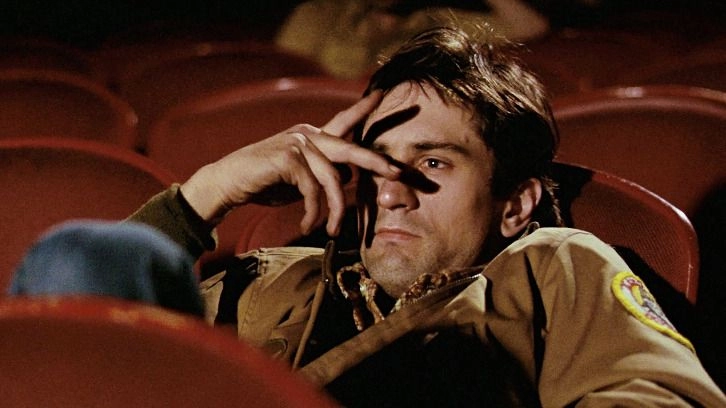
We have hit a wall of absolute creative exhaustion. Walking into a movie theater today feels less like discovering a new world and more like enduring relentless déjà vu. Hollywood is trapped in an endless loop of remakes, repackaging stories we already know by heart.
This endless wave of reboots is driven entirely by financial fear. As production budgets skyrocket, major studios desperately cling to the safety net of established fan bases. It is simply easier and less risky to market a recognizable title than a brand-new concept.
However, this corporate calculation has completely backfired. Audiences are pushing back against the lazy assumption that a famous title guarantees a ticket sale. When a remake offers nothing but shinier visual effects, it loses the original’s soulful spark.
The high cost of playing it safe
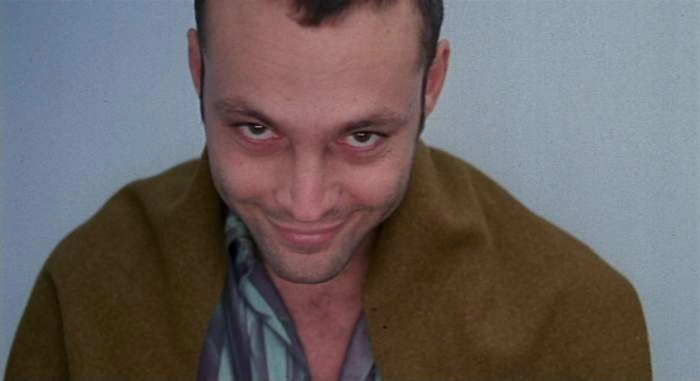
By prioritizing old intellectual property, the industry has actively choked out fresh voices. Original screenplays are routinely pushed to the margins while massive studio resources flow into the latest superhero iteration. This has created a dull, deeply predictable cinematic landscape.
Furthermore, these modern adaptations systematically strip away the specific quirks that gave older films their charm. In an effort to appeal to absolutely everyone, studios sanitize the narrative. The final product plays out like a corporate checklist rather than art.
This creative deficit is driving passionate moviegoers away from traditional multiplexes. Viewers easily spot the difference between a project born of passion and one engineered for quarterly dividends. Without genuine narrative stakes, the theater experience becomes entirely forgettable.
Where moviegoers are turning next
Driven away by mainstream stagnation, a major cultural migration is now underway. Viewers are actively turning to independent cinema, international films, and boundary-pushing streaming series to satisfy their hunger for originality. The real creative energy has officially moved elsewhere.
Global cinema is experiencing a massive boom by offering fresh perspectives and unpredictable structures. Audiences are proving they are more than willing to read subtitles if it means escaping formulaic plots. The traditional studio monopoly on entertainment is finally cracking.
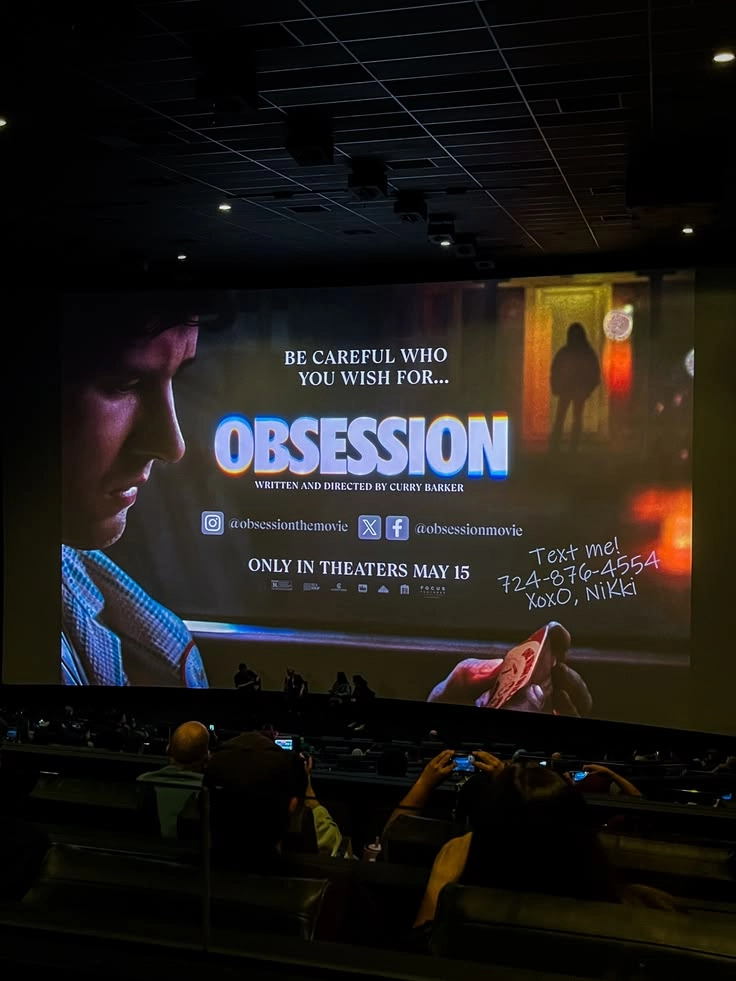
Crucially, we are seeing the slow, triumphant revival of original films making a massive box-office impact. Original horror like the smash hit ‘Obsession‘ and daring sci-fi concepts are breaking records and drawing massive crowds. This long-awaited shift proves that the appetite for bold stories is stronger than ever.
Frequently Asked Questions
Studios favor remakes because they possess built-in brand recognition, which significantly lowers financial risk and guarantees a baseline level of global box-office revenue compared to unproven, original concepts.
While they occasionally earn more money due to modern international distribution and inflation, they rarely surpass the original films in critical acclaim, cultural longevity, or audience affection.
Streaming has intensified the trend by creating an insatiable demand for content, leading companies to rapidly raid their back-catalogs for recognizable titles to attract and retain monthly subscribers.
Yes, remakes can succeed when a director brings a distinct new vision to the material, such as John Carpenter’s The Thing (1982) or Denis Villeneuve’s Dune series.
A sustained shift will only happen when audiences consistently vote with their wallets by supporting independent, original films while letting lazy, formulaic remakes underperform at the box office.
Recommended Video