
Let’s Bring Back House Parties in 2026
As social life becomes increasingly scheduled and screen-bound, house parties are reemerging as a low-cost, low-pressure way to reclaim spontaneity and genuine fun




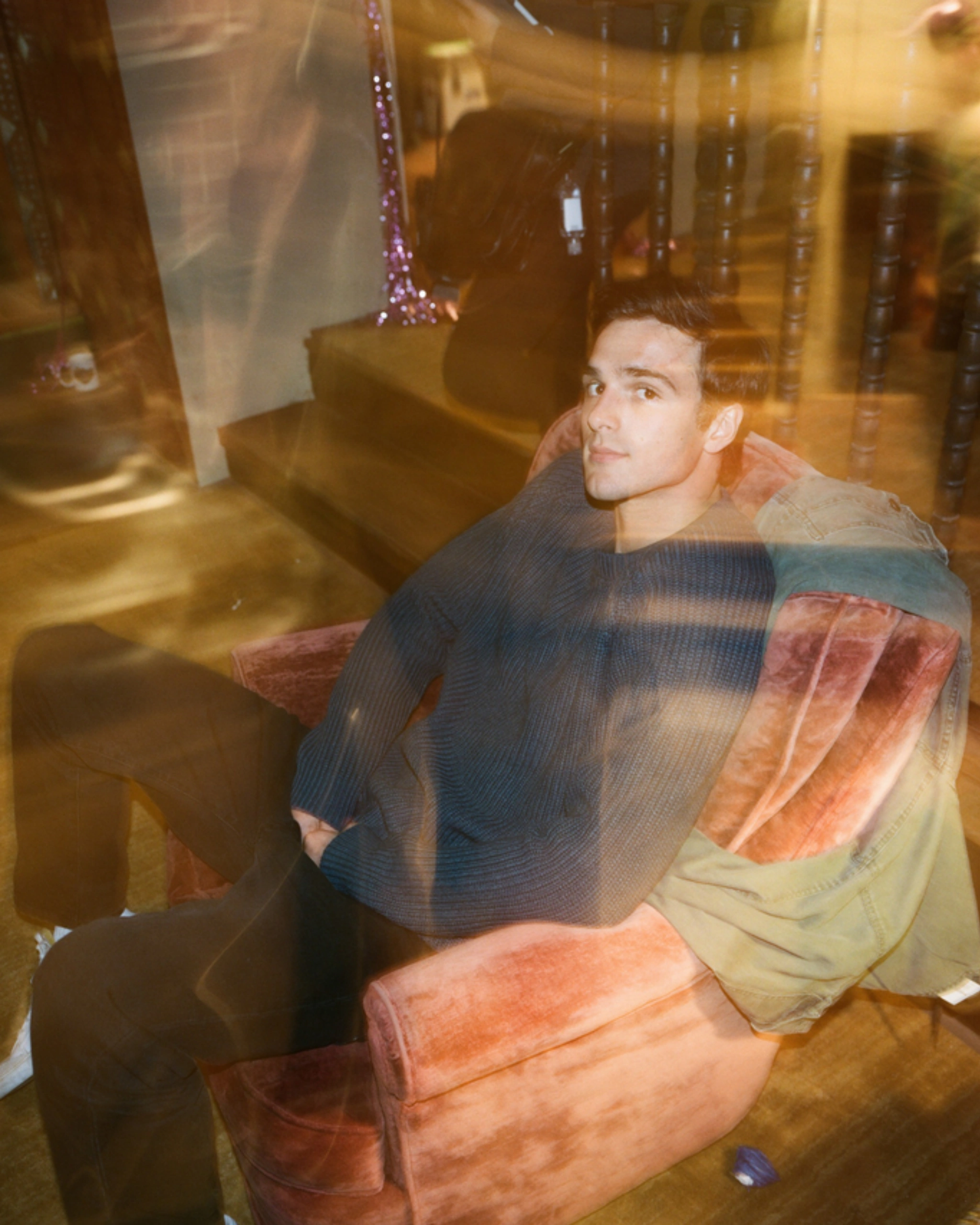
- House parties are experiencing renewed interest as people seek more authentic social experiences.
- Rising nightlife costs and digital fatigue are contributing to the trend.
- Phone-free gatherings are becoming popular for encouraging genuine interaction.
- Potluck-style events offer an affordable alternative to bars and clubs.
- Many people view house parties as a way to reconnect with spontaneity, community, and in-person connection.
Going back to simpler times
As nightlife becomes more expensive and socializing increasingly revolves around screens, a growing number of people are looking back to a simpler form of gathering: the house party.
For years, social life has become more structured. Friends coordinate plans weeks in advance, book tables, and carefully manage schedules around work and early mornings. The result is often pleasant but predictable. What many people seem to miss is not necessarily going out itself, but the spontaneity that once came with it.
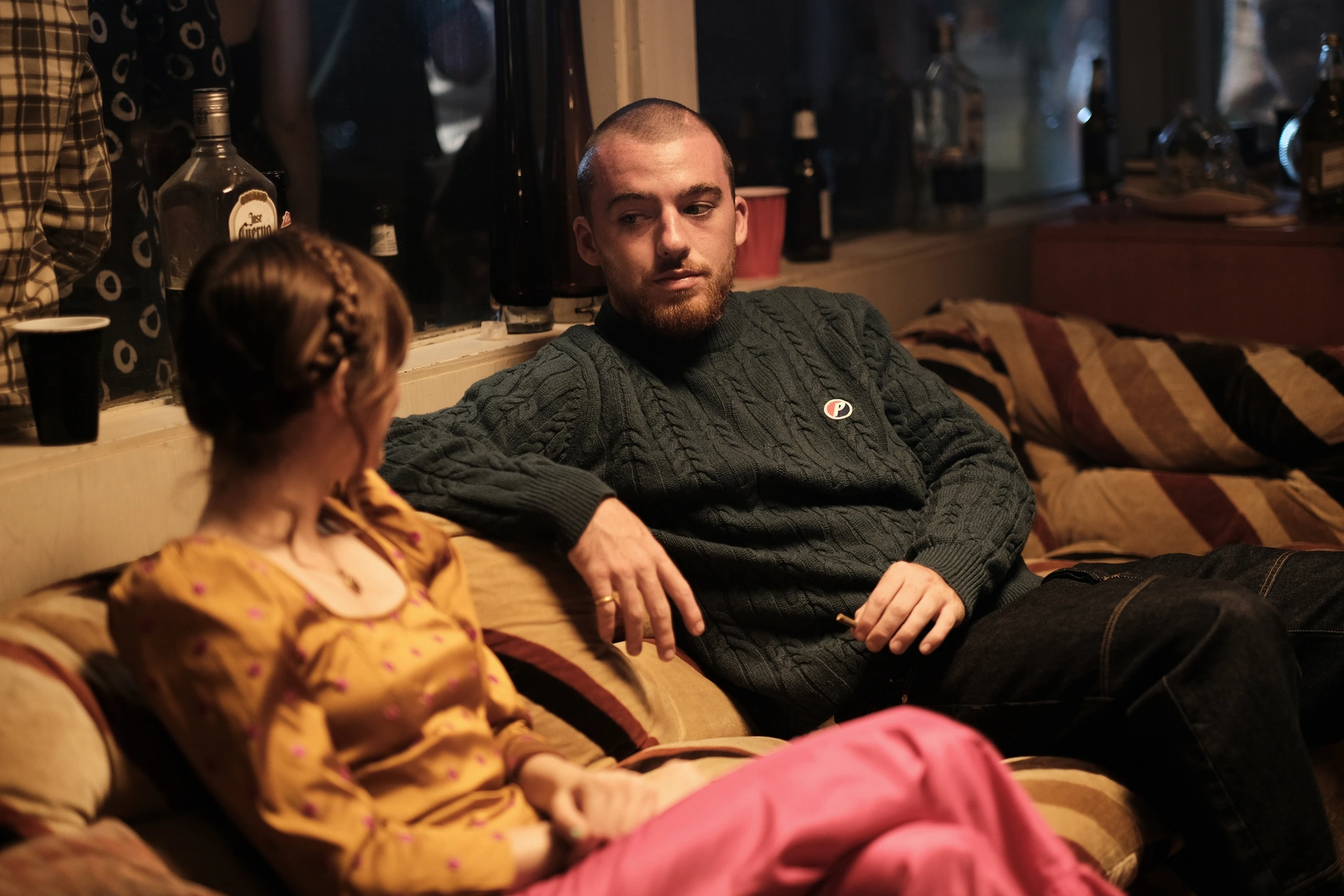
That nostalgia is helping fuel renewed interest in house parties, a social tradition that many now see as an antidote to digital fatigue and the pressure of constantly being online.
READ ALSO: In 2026, We All Want an Analog Room
Why are house parties becoming popular again?
House parties offer something that many modern social experiences struggle to provide: unpredictability.
Unlike dinners or nights at expensive clubs, house parties create space for unplanned conversations and organic interactions. Guests often meet friends of friends, spend hours talking to people they have never met before, and experience a level of spontaneity that is increasingly rare in everyday life.

This helps explain why the format remains appealing today, particularly as more people report experiencing digital burnout and social fatigue.
The impact of smartphones on social gatherings
One of the biggest differences between house parties of the past and social events today is the presence of smartphones.
Social media platforms have transformed how people interact, but they have also introduced a level of self-awareness that can make social settings feel performative. Many people now assume that any moment could be photographed or shared online.
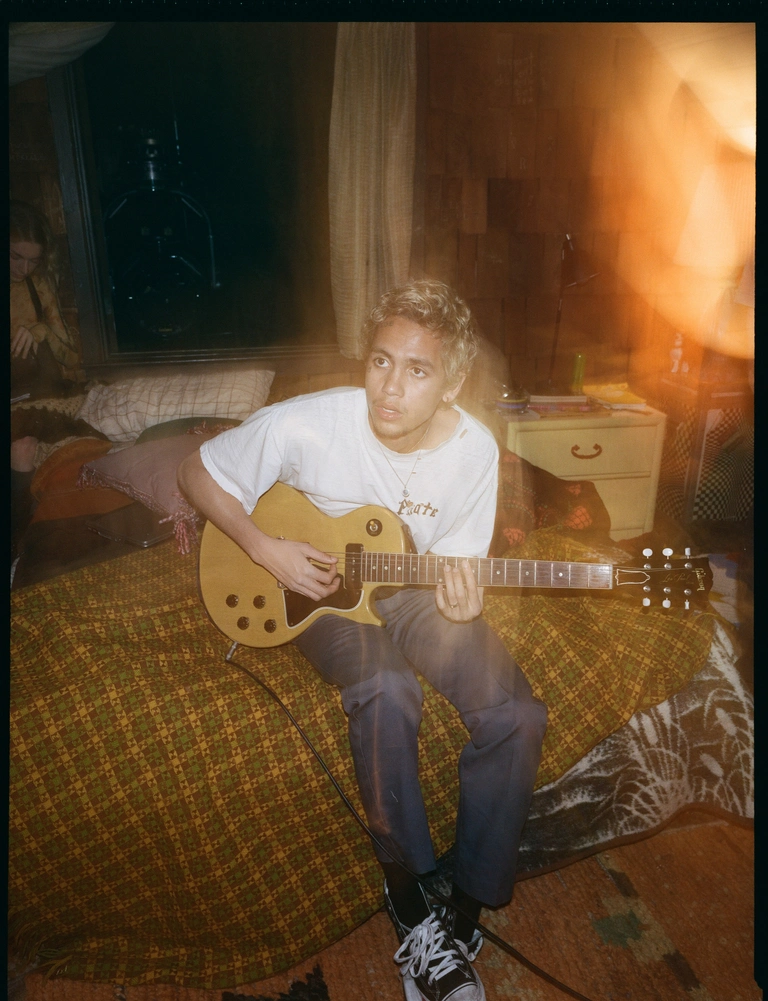
As a result, some hosts are embracing phone-free policies to encourage guests to be more present.
A growing trend involves placing a basket near the entrance where guests can leave their devices for the evening. Without cameras and notifications competing for attention, attendees often feel more comfortable letting loose, dancing, and engaging in conversations without worrying about appearing on social media the next day.
I argue that genuine connection is difficult to replicate through screens. Liking an Instagram post may maintain contact, but it is not the same as sharing a conversation in person. Sending a message through a dating app does not recreate the excitement of meeting someone unexpectedly across a crowded room.
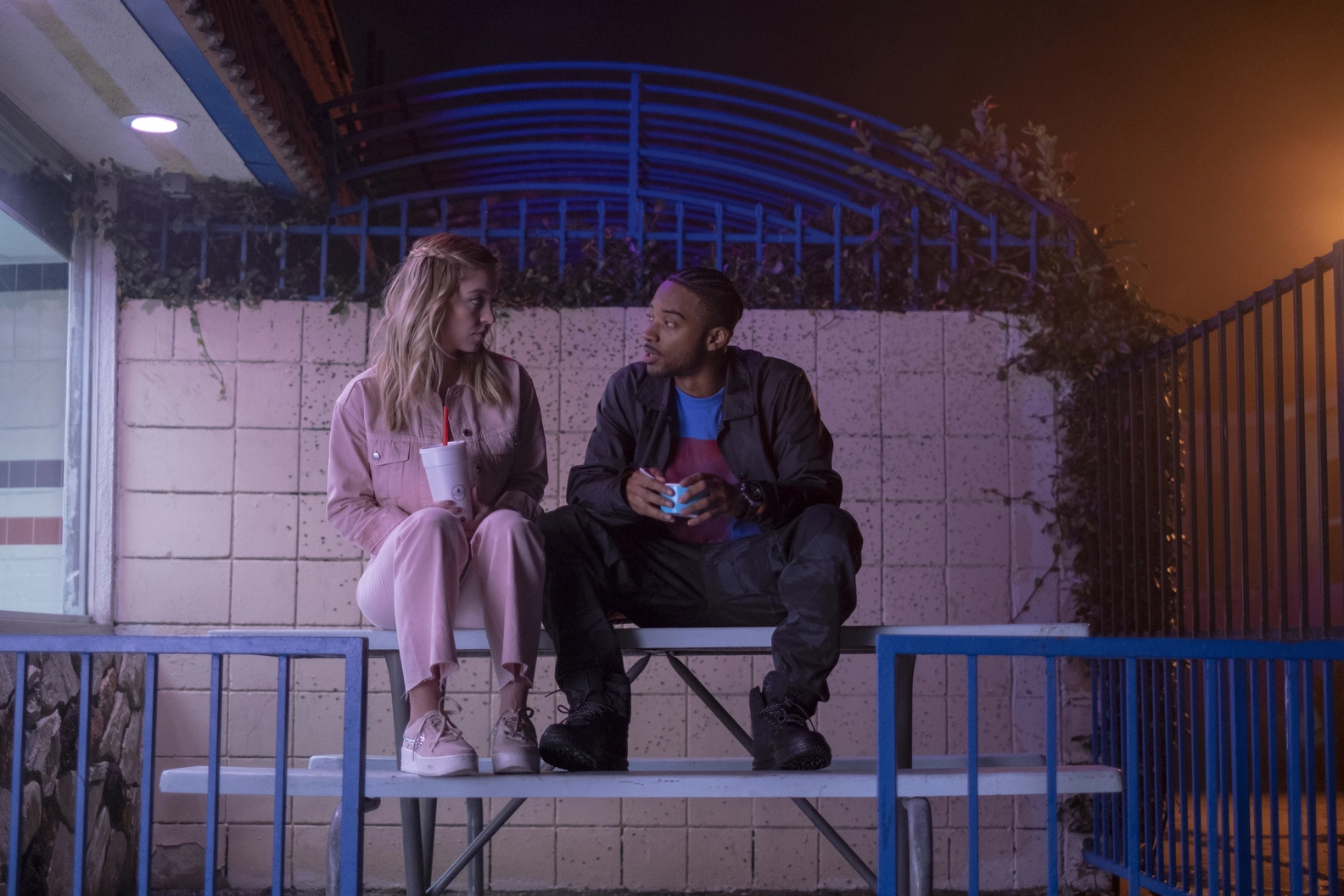
House parties offer a more affordable alternative to nightlife
Cost is another factor driving interest in house parties. In many cities, a single night out can quickly become expensive once transportation, cover charges, drinks, and meals are factored in.
House parties offer a lower-cost alternative. Hosts can organize potluck-style gatherings where guests bring food, drinks, or snacks to share.
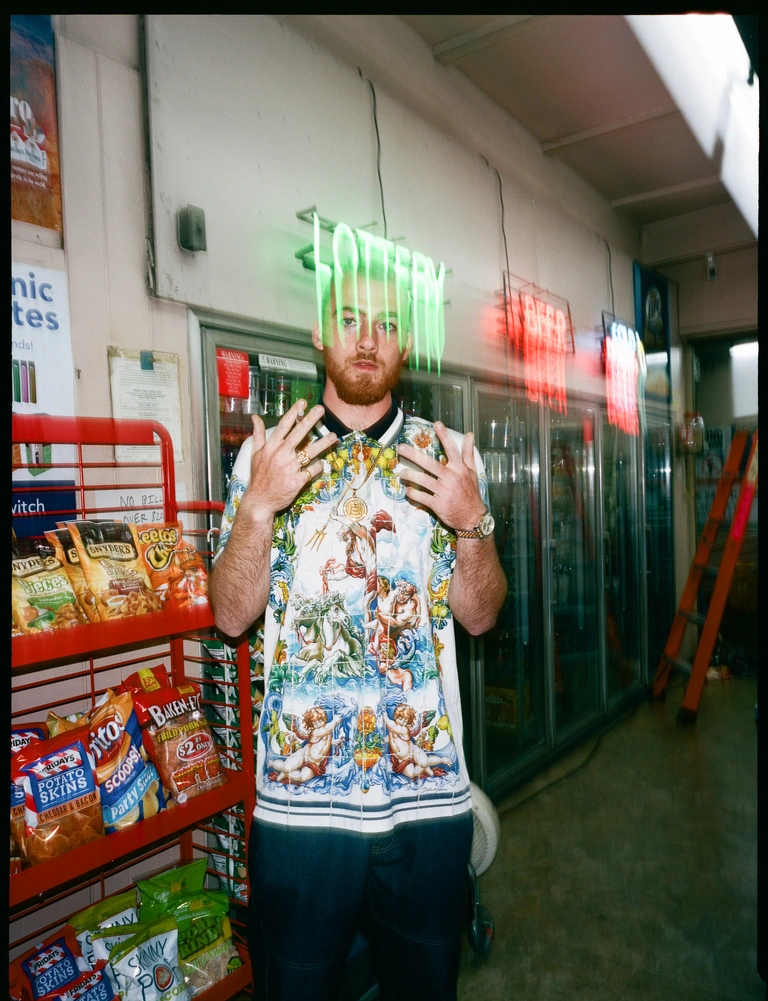
Collaborative playlists can replace DJs, while living rooms and backyards become social spaces without the financial barriers associated with clubs and bars. By encouraging participation rather than consumption, the format fosters a stronger sense of community among guests.
Why house parties matter in a digital age
As people spend more time communicating through social media, many are rediscovering the value of face-to-face interaction. House parties provide opportunities for conversation and serendipity in ways that digital platforms often cannot.
They also offer something increasingly rare: the chance to experience an evening without constant documentation.
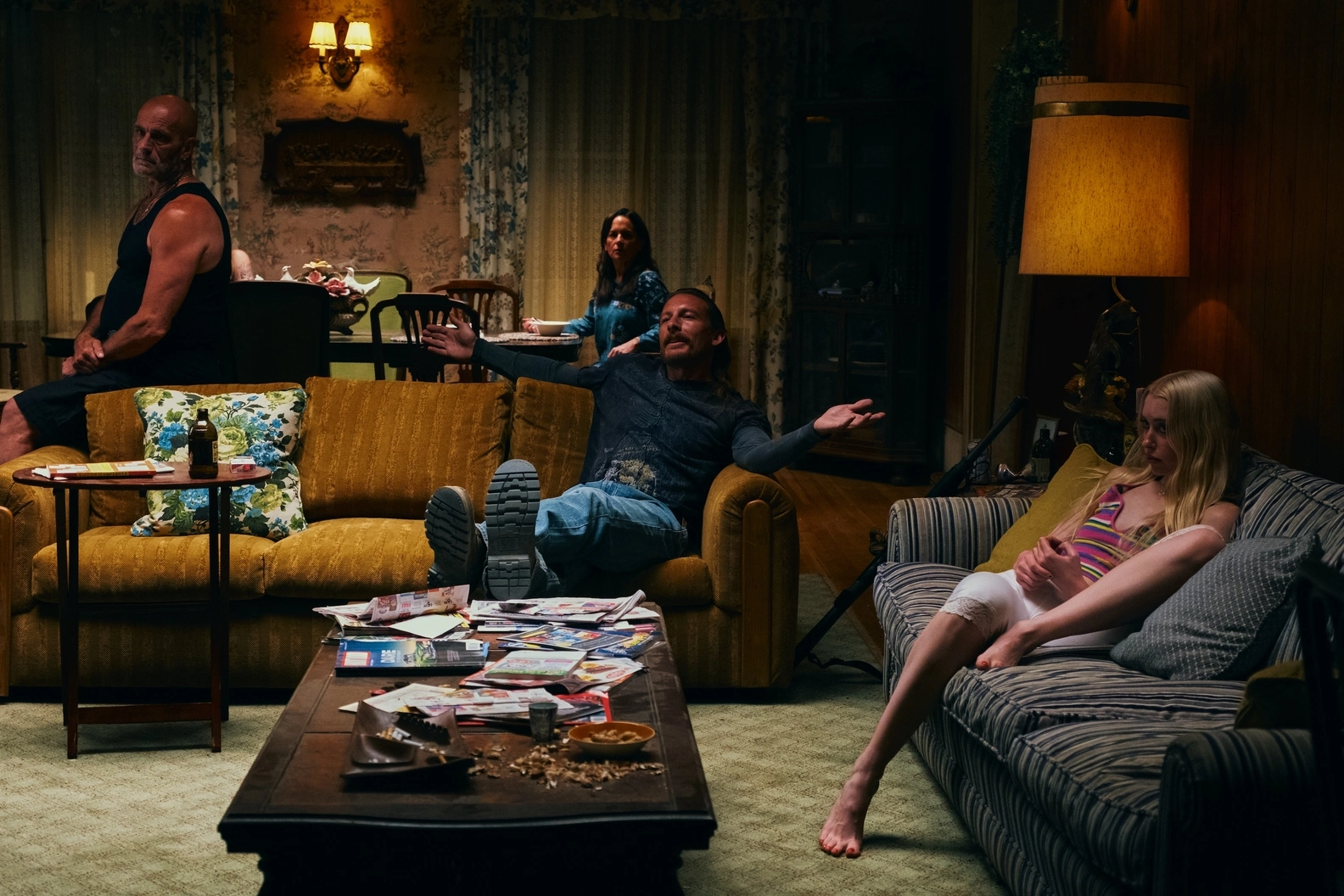
For many, the appeal is the possibility of being fully present with others, free from notifications, algorithms, and the pressure to create content.
The return of the house party in an age defined by digital connection suggests that people may be searching for something more human. Not necessarily bigger events or more elaborate experiences, but gatherings where the outcome is unknown, the conversations are real, and the memories belong to the people who were actually there.
Frequently Asked Questions
House parties are making a comeback because many people are looking for more affordable, spontaneous, and authentic ways to socialize. They offer real-life connections at a time when many social interactions happen online.
Many hosts encourage a phone-free environment by asking guests to put their devices away during the event. This helps people focus on conversations, music, and enjoying the moment without worrying about being filmed or photographed.
Yes. House parties typically cost less because there are no cover charges, expensive cocktails, or transportation costs. Potluck-style gatherings can make hosting even more affordable.
House parties create opportunities for unexpected conversations and new connections. Unlike highly planned outings, they often allow for more spontaneity and a relaxed atmosphere.
Create a welcoming environment, invite a mix of people, and encourage guests to contribute food, drinks, or music. Limiting phone use can also help guests feel more comfortable and engaged throughout the night.
Photos courtesy Euphoria

Recommended Video