
How AI is Transforming Skincare
From generic routines to algorithmic precision, artificial intelligence is rewriting the blueprint for healthy skin




- AI analyzes individual skin data to create custom formulas, moving away from “one-size-fits-all” products.
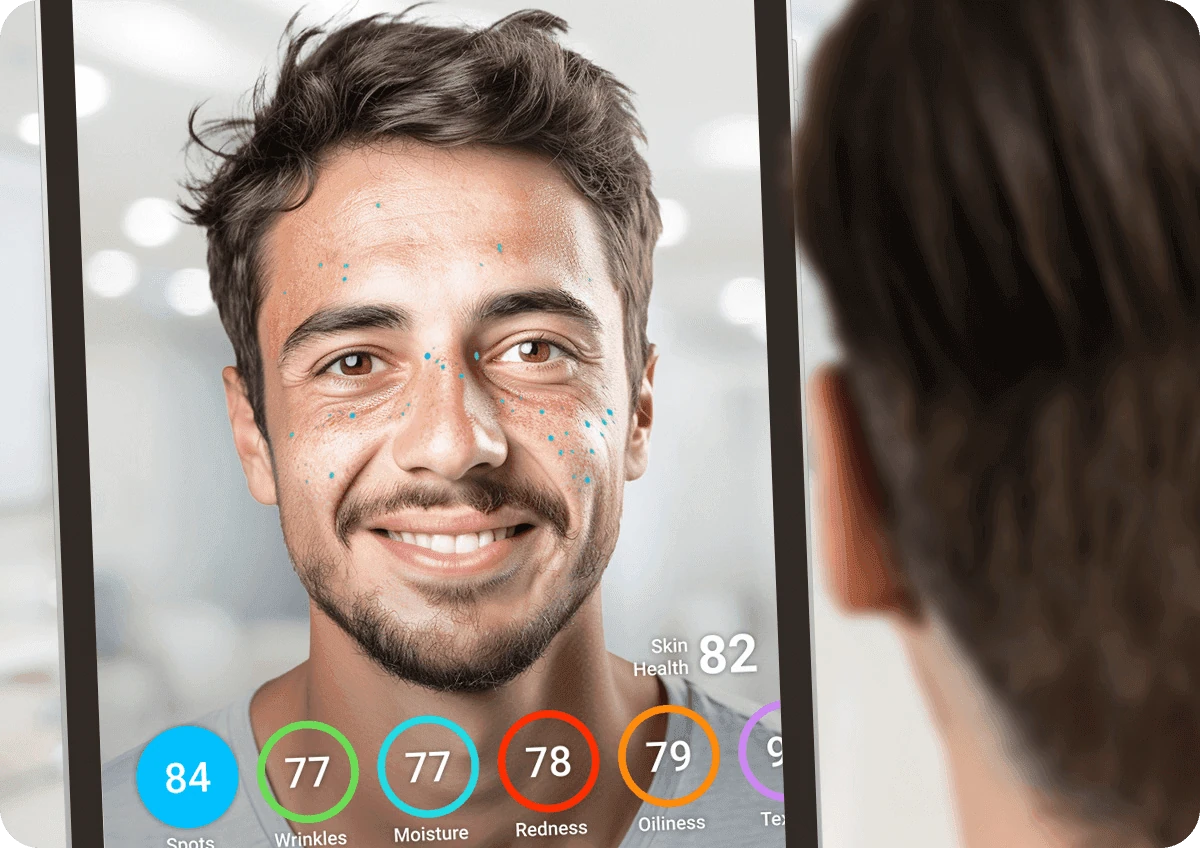
- High-resolution imaging and machine learning allow users to track skin concerns like acne or aging from their smartphones.
- AI simulates chemical reactions to discover potent new ingredients in a fraction of the time required by traditional lab work.
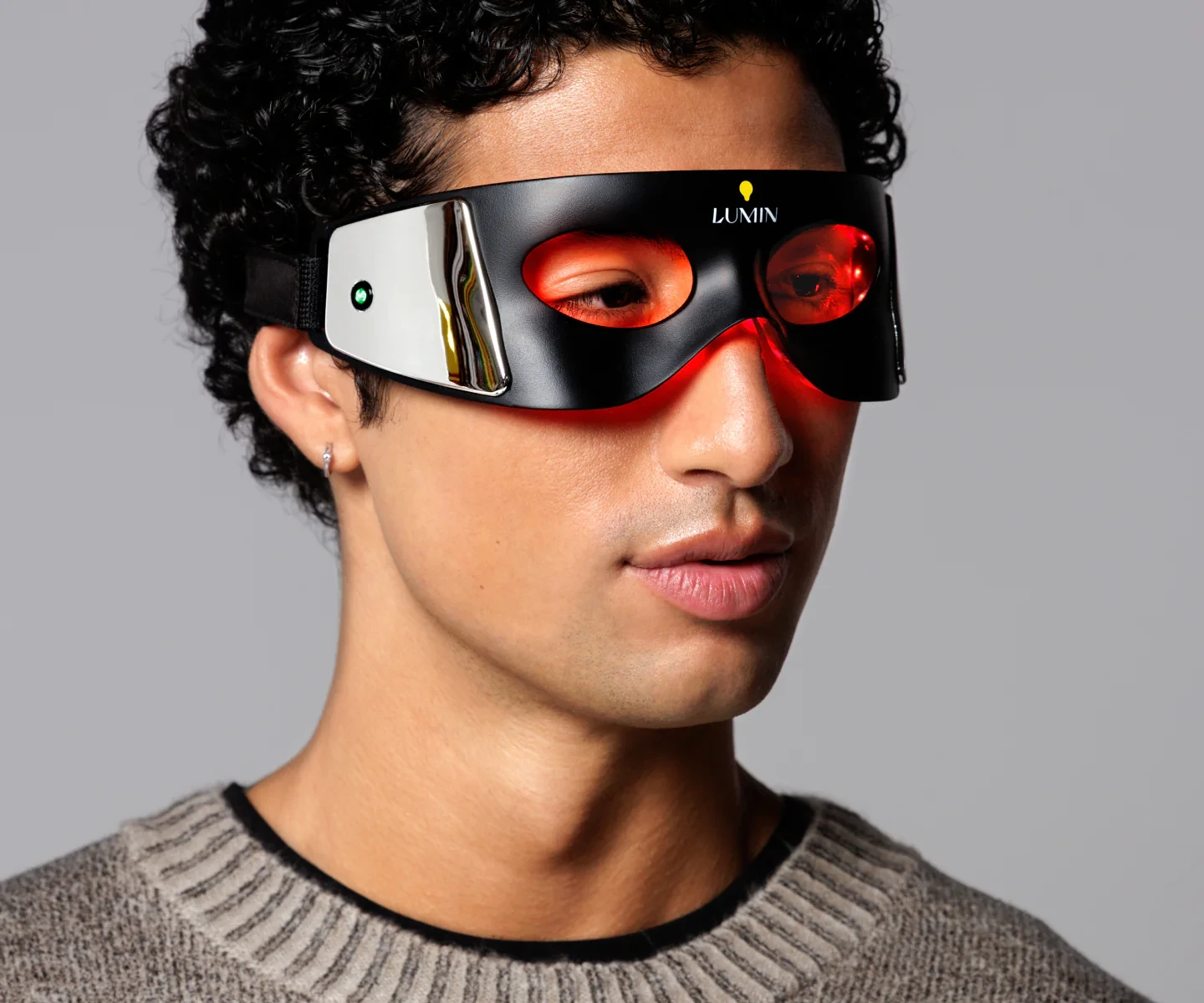
- Connected beauty tools now adjust vibration, heat, or suction levels in real-time based on the skin’s immediate feedback.
- Algorithms help brands predict demand and optimize ingredient sourcing, significantly reducing cosmetic waste.
Diagnostics at your fingertips
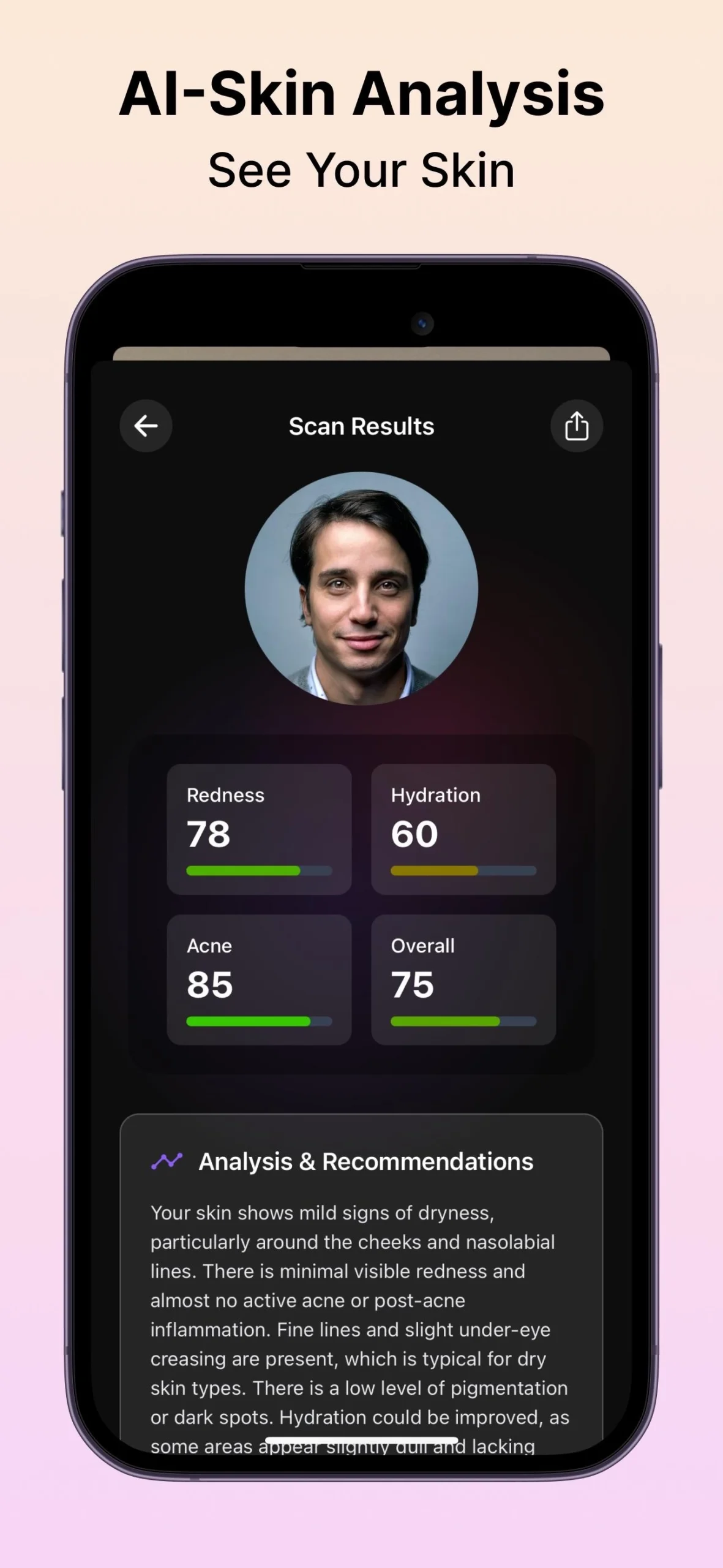
Modern AI uses computer vision to analyze “selfies” with clinical accuracy. By comparing photos against massive dermatological databases, these tools identify pigmentation, pores, and hydration levels that the human eye often misses.
Beyond current snapshots, predictive modeling simulates how skin might age based on lifestyle and sun exposure. This visual data encourages preventative care, shifting the industry’s focus from repairing damage to proactive maintenance.
Digital diagnostics also bridge the gap between consumers and experts. While not a full replacement for a doctor, these apps provide high-quality information to those with limited access to specialists, ending the expensive cycle of “trial and error.”
Formulating the future
AI is revolutionizing the lab by simulating thousands of chemical combinations instantly. This accelerates the discovery of effective ingredients, such as new antioxidants or collagen boosters, without the slow pace of traditional manual testing.
Brands now offer bespoke serums where algorithms dictate exact ingredient percentages based on a user’s local climate and genetics. A formula for a humid city will differ vastly from one designed for a dry, high-pollution environment.
Furthermore, AI optimizes manufacturing by predicting demand with precision. This data-driven approach prevents overstocking and ensures products stay fresh, significantly reducing the environmental footprint and waste typical of the global beauty supply chain.
The rise of intelligent beauty tech
@lumin.skin @cedric_pham starting his day right to make the rest of the day brighter 🙌 #mensskincare #skincareroutine #ledmask #darkcircles ♬ original sound – Lumin Skincare
Hardware is also evolving through AI-integrated “smart” devices like LED masks and ultrasonic cleansers. These tools sync with apps to adjust treatment intensity in real-time, bringing professional-grade results into the home.
Integrated sensors measure skin moisture and barrier health during use. If the device detects irritation or dryness, it automatically recalibrates its settings or suggests a soothing aftercare product to ensure the skin isn’t overwhelmed.
The future points toward a “preemptive beauty” standard where skin is managed like a health condition. By blending biological data with digital intelligence, AI ensures your routine is always one step ahead of a potential breakout.
Frequently Asked Questions
No, AI is a tool for daily monitoring and screening, but complex medical conditions and biopsies still require a human professional.
It uses neural networks trained on millions of clinical images to recognize visual markers of inflammation, dehydration, and aging.
Most reputable brands use encryption, but you should always review the privacy policy to ensure your facial data isn’t being sold or misused.
Yes, by accurately identifying what your skin actually needs, it prevents the wasted cost of buying ineffective products.
They are more targeted; while traditional products are built for broad demographics, AI-driven formulas are optimized for your unique biology.

Recommended Video