
The Truth About The 10,000 Steps Daily Goal
While the specific number originated as a marketing campaign, modern science reveals that the health benefits of walking begin much earlier than the five-figure mark




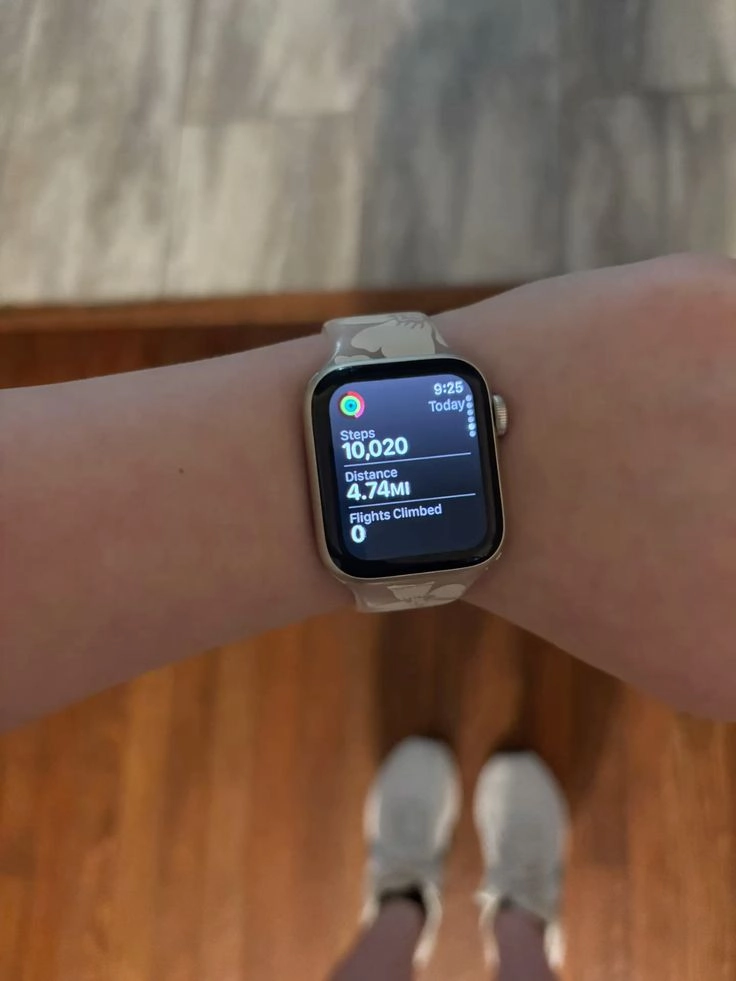
- The 10,000-step target was created in the 1960s to sell a Japanese pedometer called the Manpo-kei.
- Research suggests that significant mortality benefits begin to plateau around 7,000 to 8,000 steps for many adults.
- The pace and vigor of your walking can be just as impactful as the total volume of steps recorded.
- Fitness requirements vary based on age, lifestyle, and specific health objectives like weight loss or heart health.
- Steps are only one metric of health; strength training and flexibility are equally vital for long-term longevity.
The history behind the number

The 10,000-step goal is less a medical discovery and more a result of clever branding. In 1965, a Japanese company launched the Manpo-kei, which translates to “10,000-step meter.” The name was chosen because the character for 10,000 looks like a person walking, not because of a clinical study.
Over the decades, this arbitrary figure became the gold standard for fitness trackers and health apps worldwide. Because it is a round, catchy number, it was easily adopted by public health agencies looking for a simple way to encourage movement. It provided a clear, measurable target for a sedentary population.
However, sticking strictly to this number can be discouraging for many. If a person feels they must hit 10,000 or nothing, they might skip a shorter, more manageable walk. Understanding the origin helps demystify the goal and allows for a more flexible approach to daily movement.
What the research actually says

Recent studies have looked closely at the relationship between step counts and longevity. Research published in JAMA Internal Medicine found that older women saw a significant drop in mortality rates at just 4,400 steps. The benefits continued to increase before leveling off around 7,500 steps.
For most people, the greatest health gains occur when moving from a sedentary lifestyle to a moderately active one. Adding even 2,000 steps to a low daily baseline can significantly improve cardiovascular health. You do not necessarily need to reach five figures to see a major impact on your well-being.
Additionally, the intensity of those steps plays a crucial role in fitness. Walking briskly for 30 minutes can often provide more heart-health benefits than a slow, casual stroll spread across many hours. Quality of movement often matters just as much as the sheer quantity recorded on a device.
Finding a sustainable movement plan

Rather than obsessing over a single number, it is better to focus on consistent daily activity. For a busy professional, hitting 10,000 steps every day might be unrealistic and cause unnecessary stress. Finding a personal baseline that fits your schedule is key to long-term success.
It is also important to remember that steps are just one part of the fitness puzzle. Incorporating strength training, which helps build muscle and protect joints, provides benefits that a pedometer cannot track. A balanced routine is more effective than focusing solely on a walking target.
Ultimately, the best “step goal” is the one that keeps you moving consistently. If 10,000 feels like a fun challenge, keep at it; but if 7,000 is your sweet spot, know that you are still doing wonders for your body. The myth is the requirement, but the benefit of walking remains very real.
Frequently Asked Questions
Yes, for many people, 5,000 steps is a solid baseline that provides significant health benefits compared to being sedentary.
Weight loss depends on a combination of activity and diet, but 7,000 steps can contribute to a calorie deficit and improve metabolic health.
Absolutely; every movement that involves walking around your home or office adds to your daily total and physical activity level.
It remains the industry standard because it is a globally recognized benchmark that encourages a high level of physical engagement.
Both are excellent; walking is lower impact and easier on the joints, while running burns more calories in a shorter amount of time.

Recommended Video