Are Designers Creating a New Middle Ground in Fashion?
Fashion is entering a new era where designers and large-scale brands intersect, shaping a culturally relevant middle ground between creativity and accessibility




Rethinking the narrative of loss
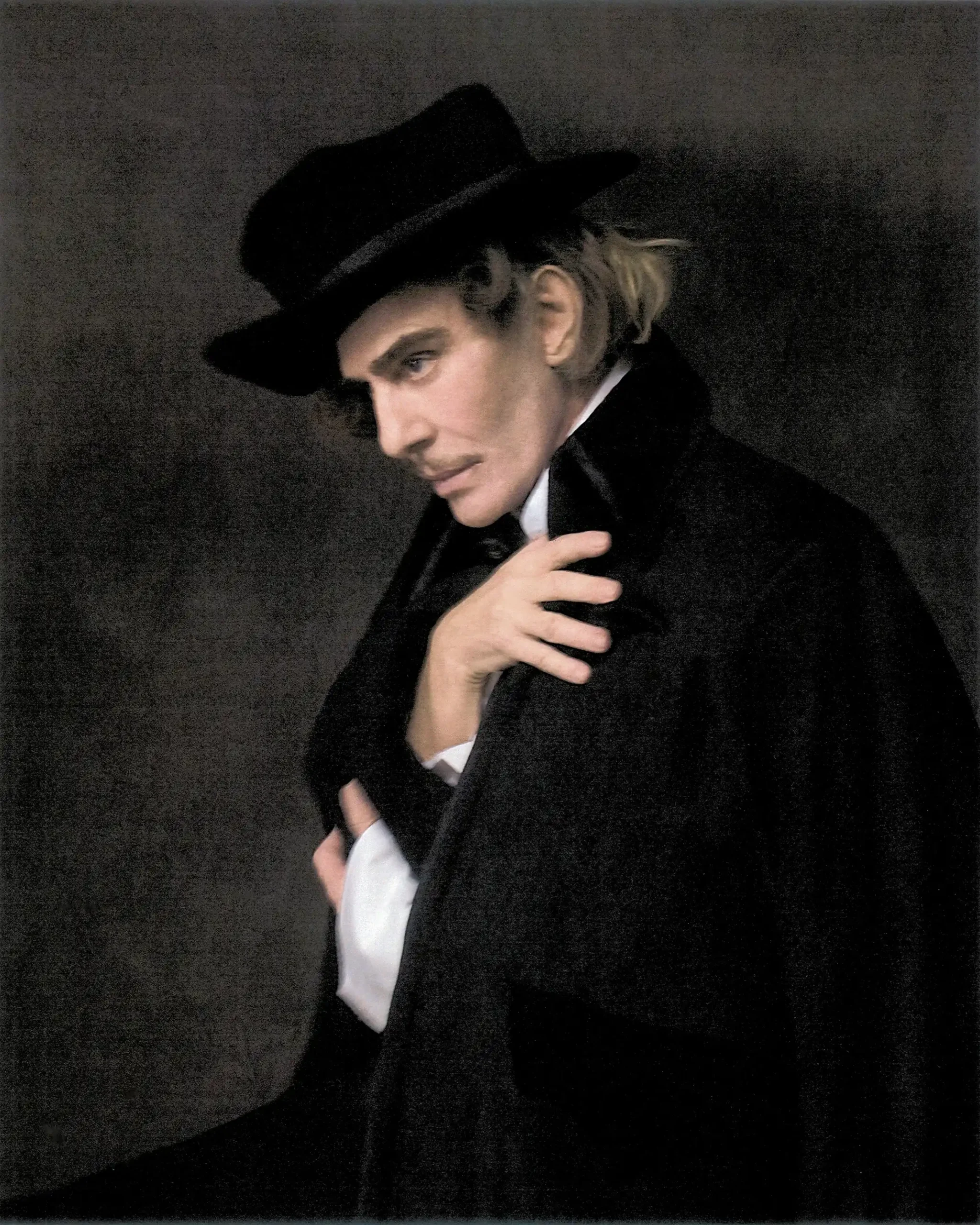
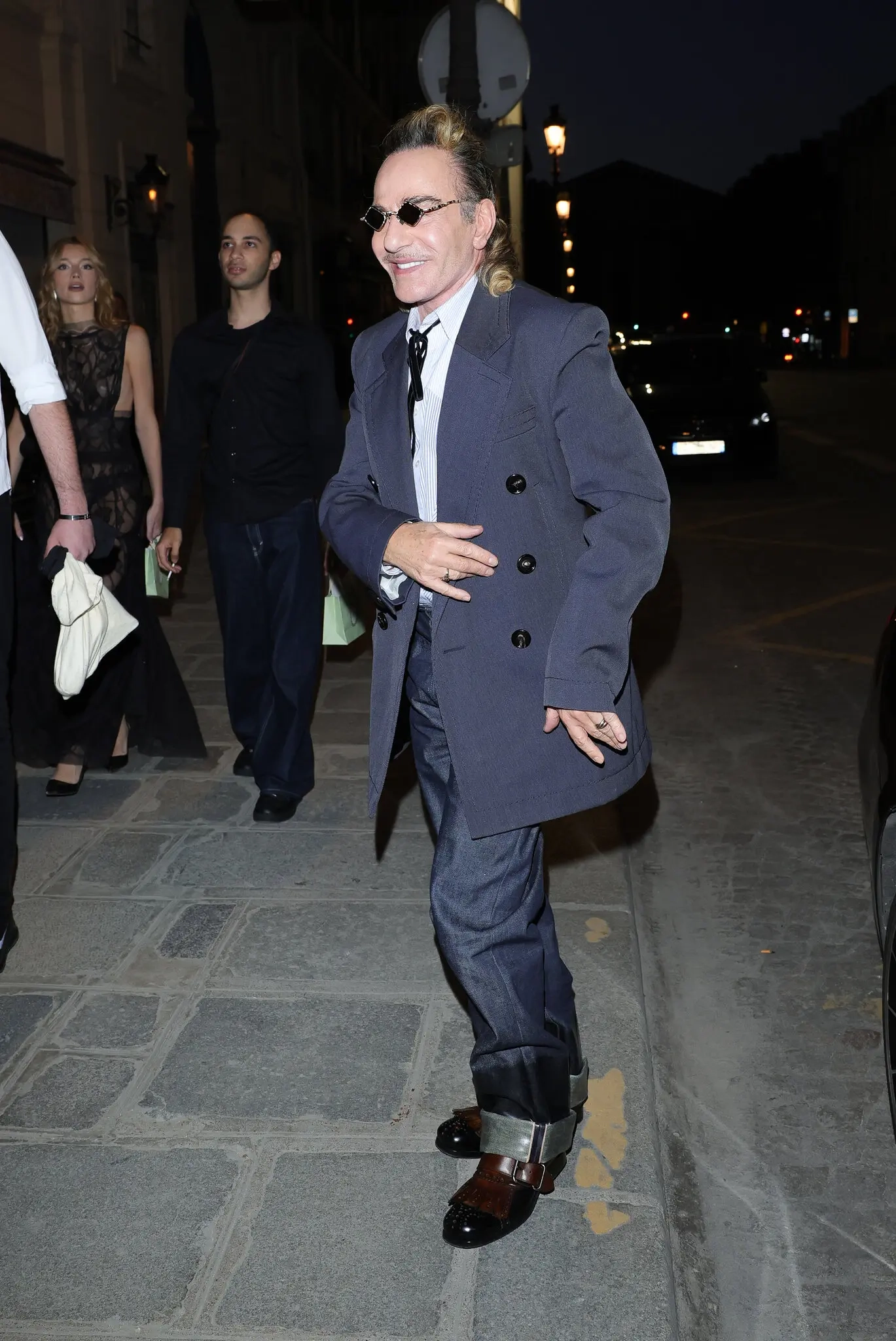
The reaction to John Galliano’s recent collaboration has largely been framed as a loss, a moment where couture authorship meets scale and is diminished by it. That interpretation, while familiar, reflects an older understanding of how fashionFashionThe art and industry of designing, producing, and styling clothing, footwear, accessories, and beauty trends. It reflects cultural influences, personal expression, and evolving styles across seasons and markets.Go to Fashion Glossary is structured rather than how it operates today.
The market has shifted significantly over the past decade. At the lowest end, fast fashionFashionThe art and industry of designing, producing, and styling clothing, footwear, accessories, and beauty trends. It reflects cultural influences, personal expression, and evolving styles across seasons and markets.Go to Fashion Glossary continues to push speed and volume to new extremes. At the highest end, luxury has become increasingly inaccessible, with prices that place it far outside the reach of most consumers.
What remains between these poles is a more defined and competitive middle, where design and credibility intersect.
When creative authority meets scale
It is within this context that the Galliano collaboration should be understood. Rather than a simple compromise, it represents an interaction between two systems that now hold different forms of cultural authority.
The idea of democratization has been central to the discussion, though it requires a more magnified reading. Expanding access to design allows an audience to engage with fashionFashionThe art and industry of designing, producing, and styling clothing, footwear, accessories, and beauty trends. It reflects cultural influences, personal expression, and evolving styles across seasons and markets.Go to Fashion Glossary in a direct way, rather than encountering it only through imagery or media.
At the same time, scaling creative work involves adaptation. The key question is whether that process maintains the integrity of the original vision or reshapes it to fit the demands of production.
A parallel case in Willy
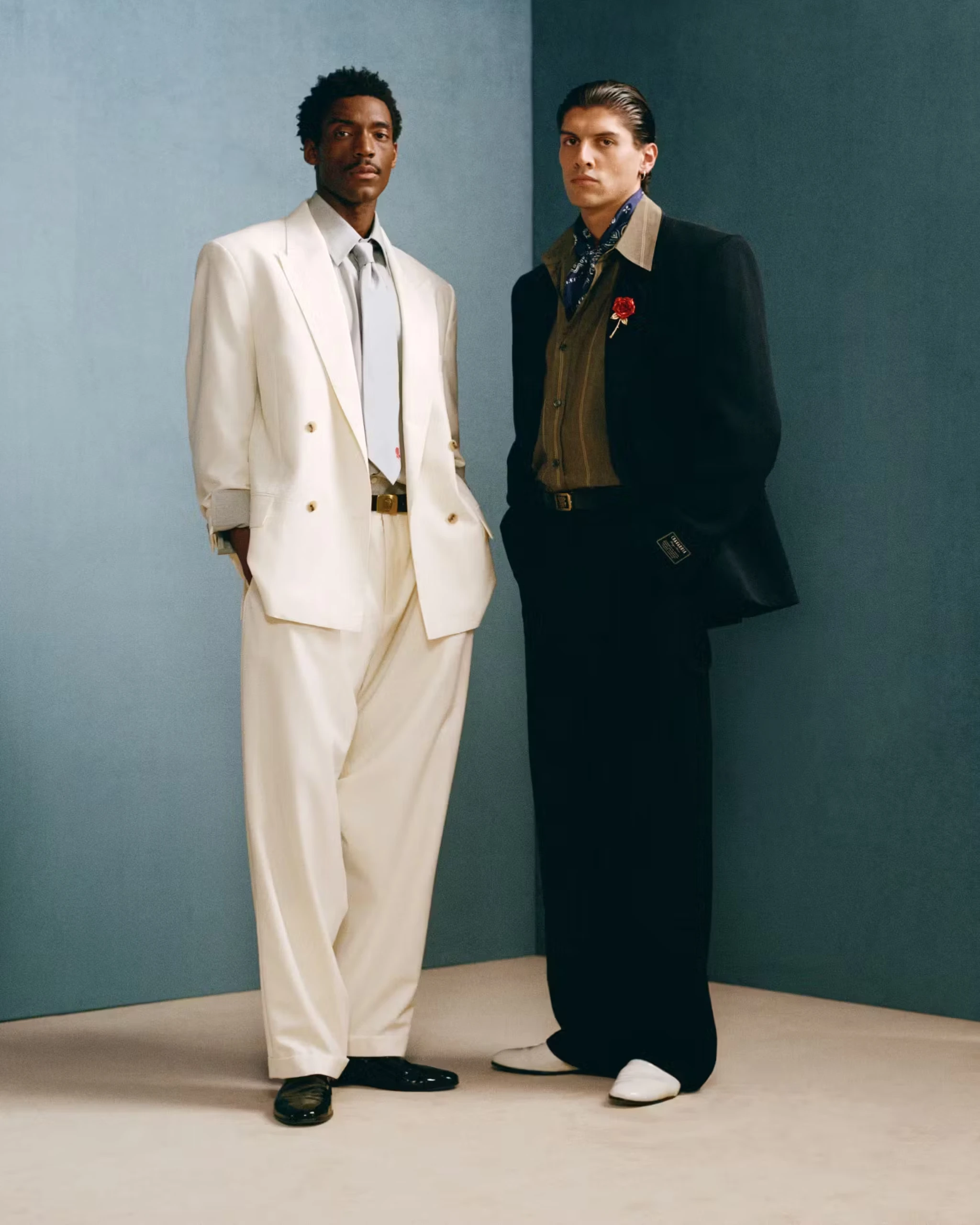
A second collaboration, announced soon after with Willy Chavarria, reinforces that this is part of a broader shift rather than a singular one.
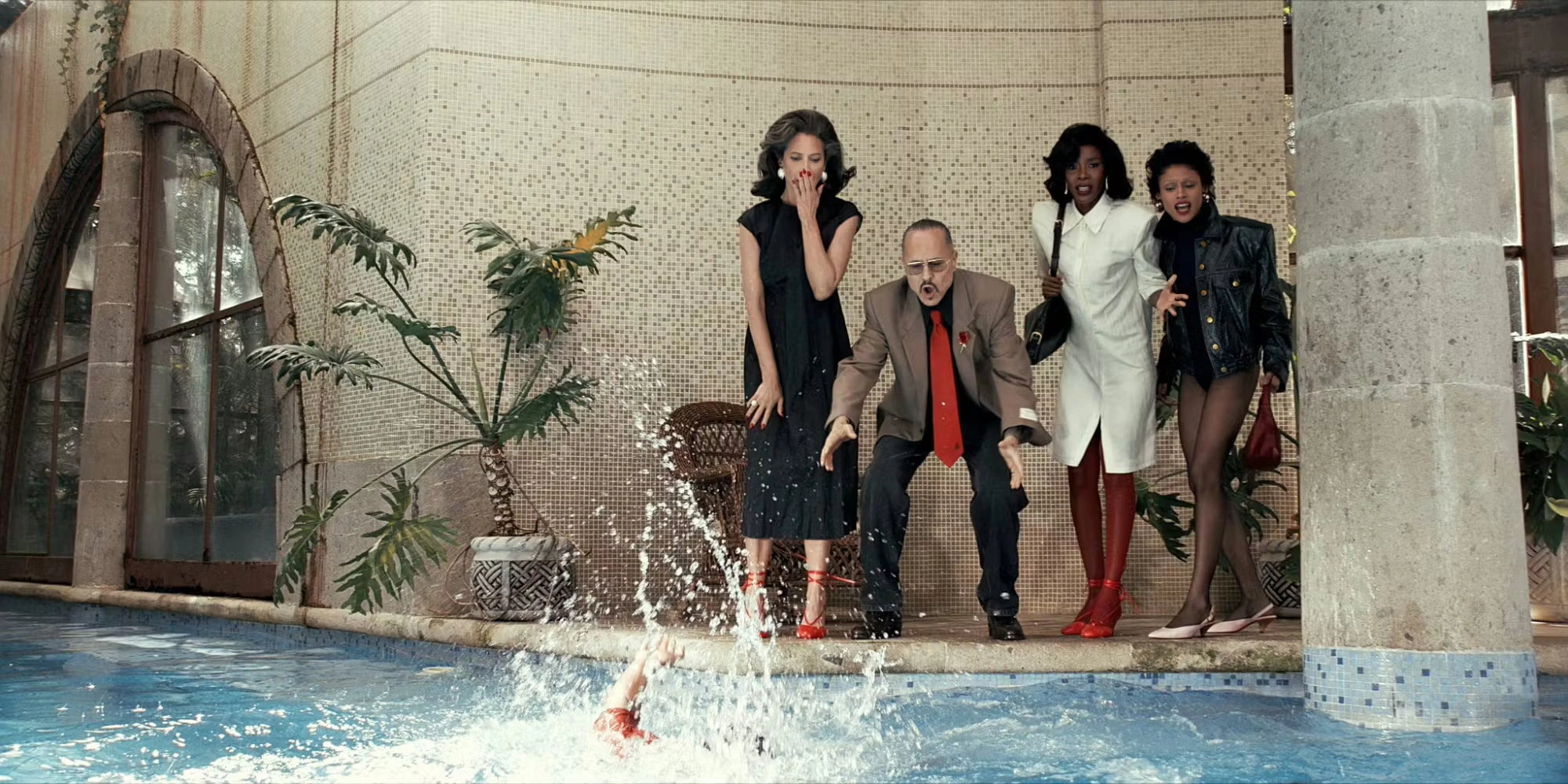
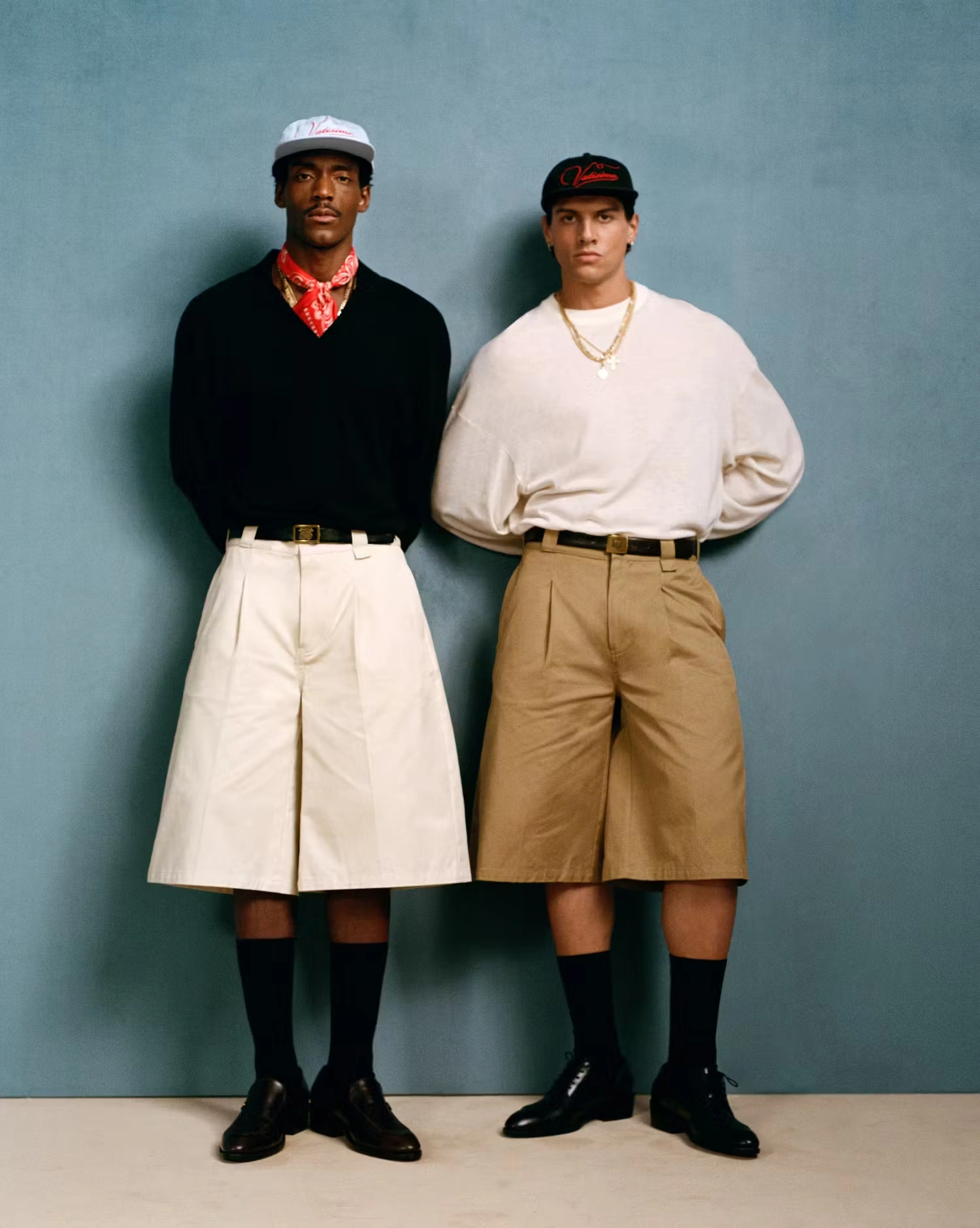
Chavarria’s work, rooted in uniforms and everyday wear, aligns more naturally with large-scale production. His approach emphasizes wearability and function, making the transition into a wider retail context more continuous than transformative.
Taken together, these projects point to a changing role for the middle of the market. As luxury becomes more exclusive and the lowest tier continues to prioritize volume, this space has become increasingly important for both designers and consumers. It offers a way to engage with fashion that balances design credibility with accessibility.
The strategic power of the middle market
For designers, particularly those operating independently, collaborations at this level provide visibility without requiring full integration into large luxury groups. For consumers, they offer a point of entry into fashionFashionThe art and industry of designing, producing, and styling clothing, footwear, accessories, and beauty trends. It reflects cultural influences, personal expression, and evolving styles across seasons and markets.Go to Fashion Glossary that feels both relevant and attainable.
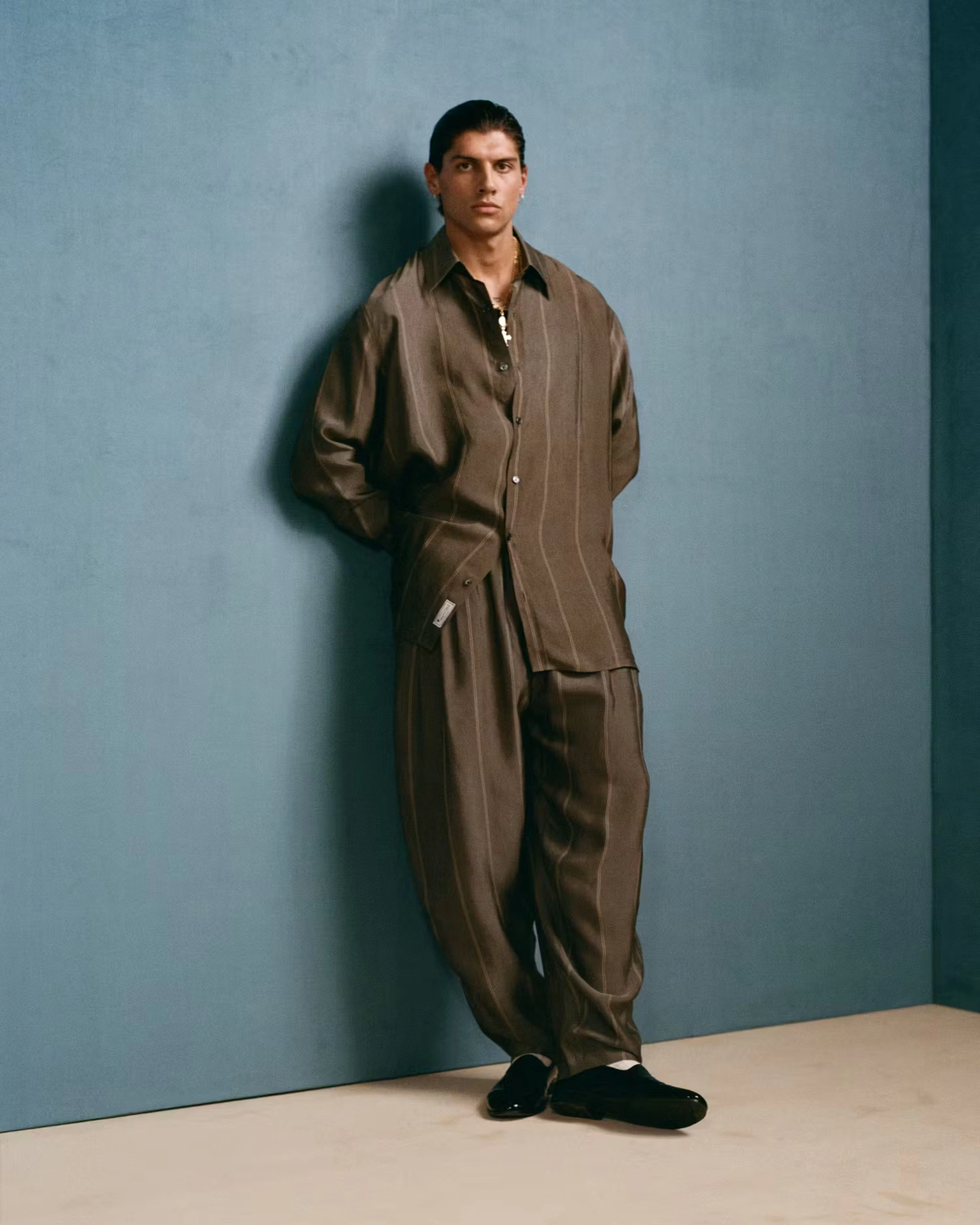
This does not remove the structural realities associated with scale. Production methods, material choices, and supply chains remain central considerations. However, it is also becoming more difficult to treat luxury as entirely separate from these dynamics, as many fashionFashionThe art and industry of designing, producing, and styling clothing, footwear, accessories, and beauty trends. It reflects cultural influences, personal expression, and evolving styles across seasons and markets.Go to Fashion Glossary houses continue to expand output and focus on commercially viable products.
A more fluid fashion system
What is emerging is a more fluid system, where the boundaries between categories are less fixed. Collaborations between designers and large-scale retailers are becoming part of how fashionFashionThe art and industry of designing, producing, and styling clothing, footwear, accessories, and beauty trends. It reflects cultural influences, personal expression, and evolving styles across seasons and markets.Go to Fashion Glossary adapts to a more polarized market.
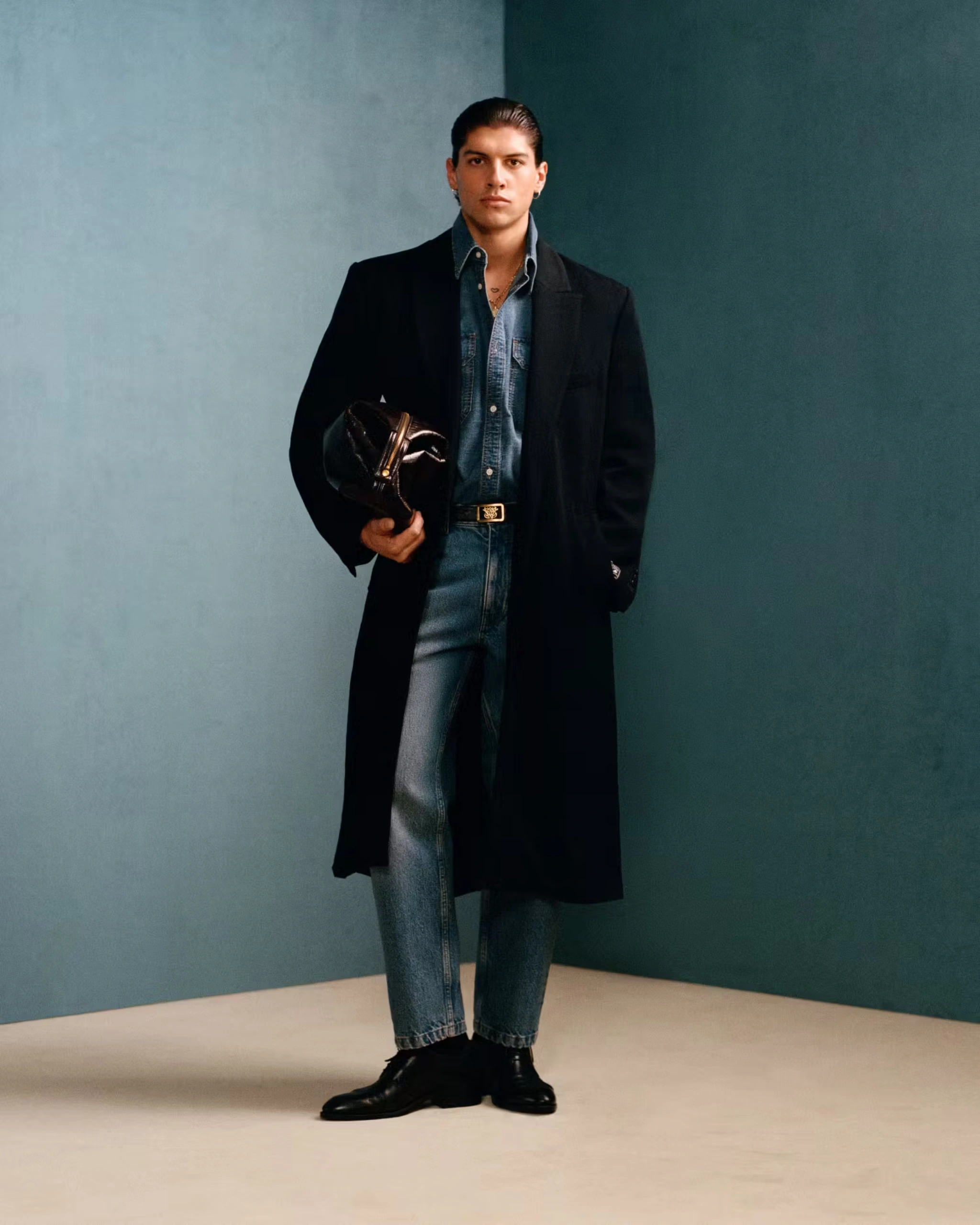
The current moment is best understood as a period of recalibration. The relationship between creativity and access is being redefined, not through opposition, but through interaction. Whether this results in a more meaningful engagement with fashionFashionThe art and industry of designing, producing, and styling clothing, footwear, accessories, and beauty trends. It reflects cultural influences, personal expression, and evolving styles across seasons and markets.Go to Fashion Glossary will depend on how these collaborations evolve.
What is clear is that the industry is moving toward a model in which design is expected to circulate more widely, reaching audiences who were previously excluded. In that sense, the conversation is shifting away from preservation and toward participation.
Frequently Asked Questions
The middle ground in fashion is a rising market segment where independent design credibility intersects with affordable mass production, sitting directly between luxury brands and fast fashion.
John Galliano’s collaborations scale couture authorship, making high-concept design directly accessible to broader consumer audiences rather than restricting fashion interaction entirely to media imagery or exclusive runways.
Mass-market collaborations offer independent designers immense commercial visibility and consumer reach without forcing them to integrate completely into or rely upon restrictive, large luxury corporate conglomerates.
Willy Chavarria’s design approach inherently focuses on utility, everyday uniforms, and functional wearability, allowing his garments to transition seamlessly into high-volume retail supply chains without compromising integrity.
Luxury polarization isolates traditional buyers through hyper-exclusive pricing while driving aspirational consumers toward high-quality middle-market collaborations that balance authentic design prestige with realistic product accessibility.

Recommended Video