What Is the State of Sneaker Culture in 2026?
Sneaker culture isn’t what it used to be: hype has cooled, retros dominate, and new audiences are shaping what comes next




The era when Jordans ruled the headlines
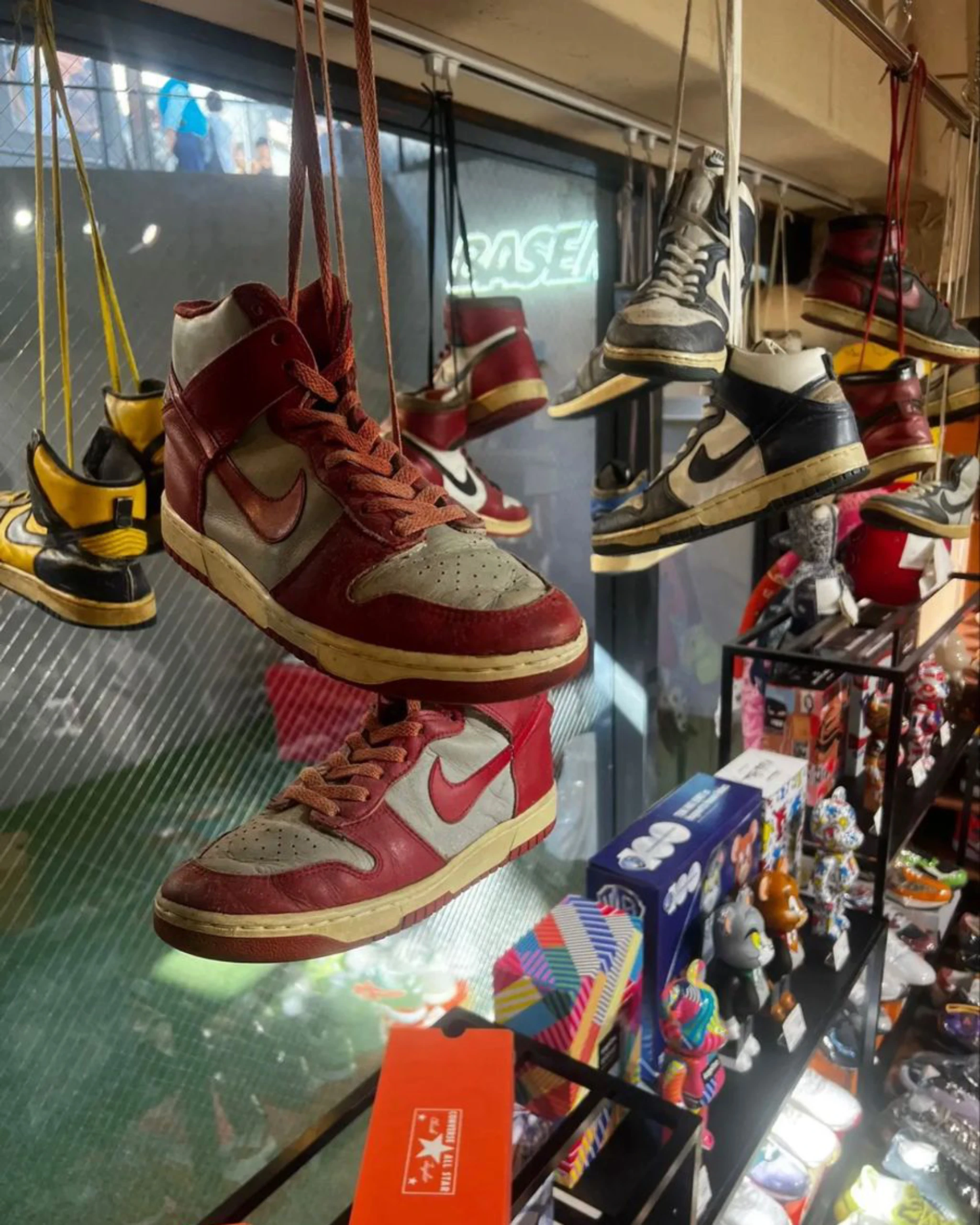
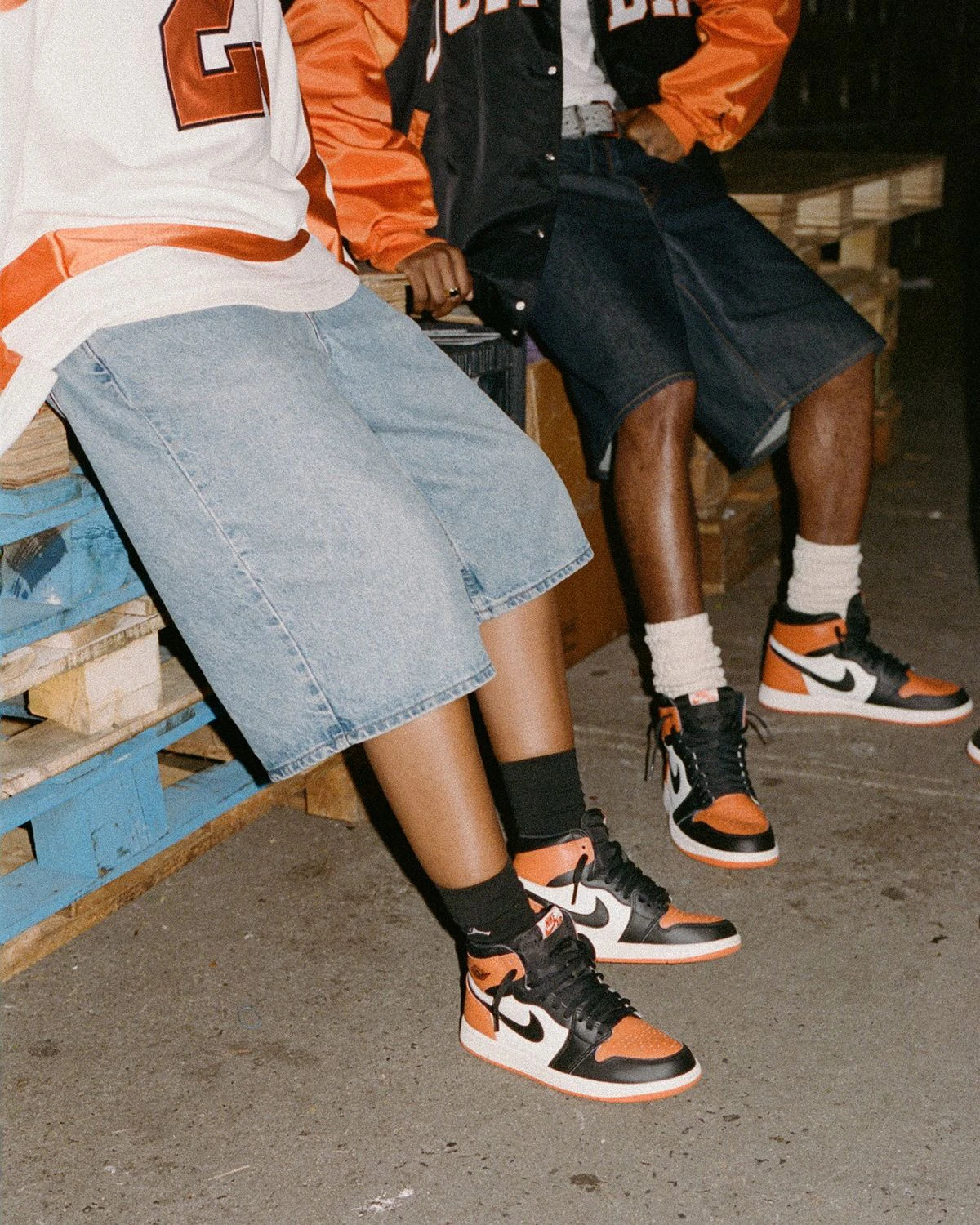
Air Jordans once dominated headlines in a way few sneakers ever have. In the late 1990s and early 2000s, a release like the Jordan 1 “Bred” or the Jordan 11 could sell out within hours, with resale prices often doubling or tripling retail.
Lines formed outside stores for blocks, raffle entries were highly competitive, and forums buzzed with rumors and leaks. Owning a pair made you as aware of cultural awareness as personal style.
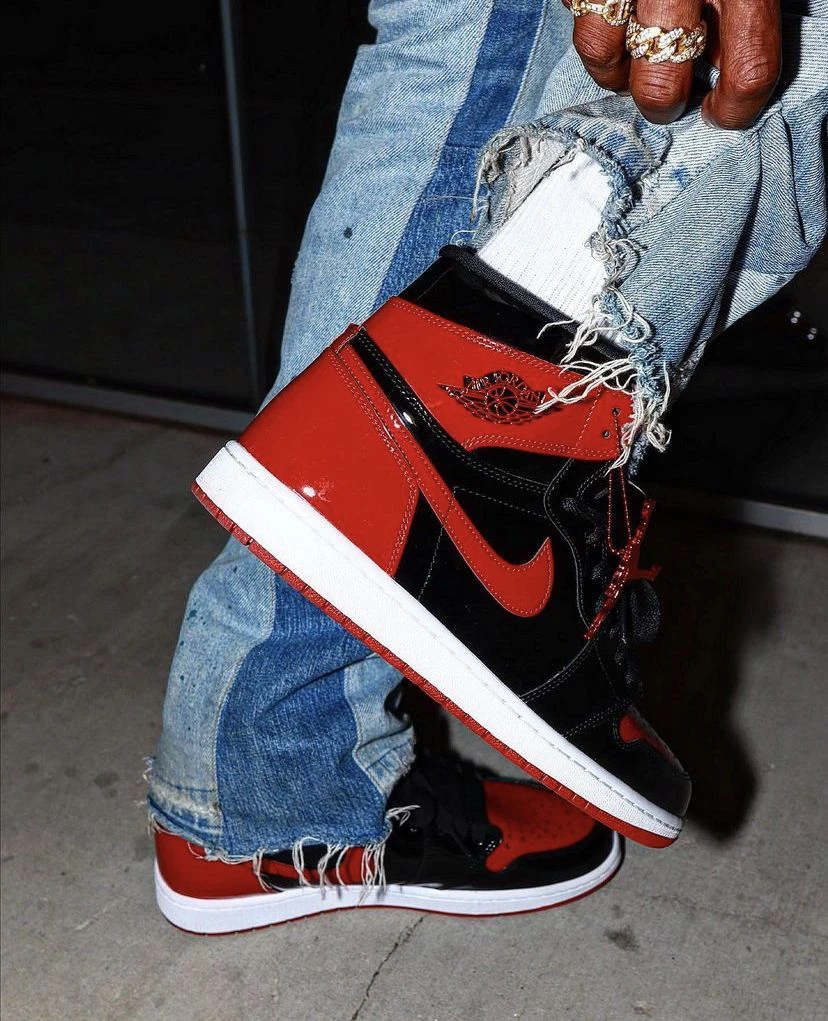
Today, that level of hype is less common. Retro Jordans continue to sell, but the frenzy has softened. Resale platforms now report strong sales without the extreme volatility seen in the early-2020s market. Nostalgia remains a factor, but the dramatic and headline-grabbing releases that defined the hype era are no longer the norm.
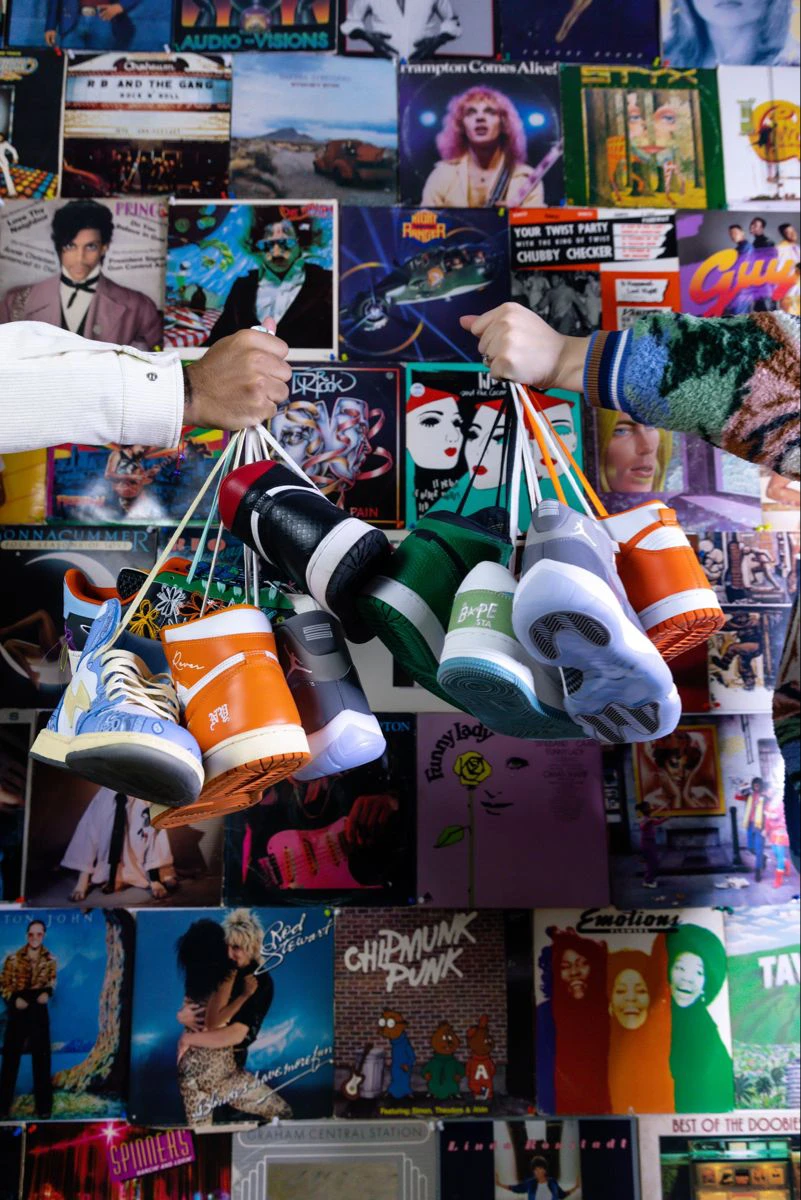
The decline of hype-driven culture has reshaped sneaker markets. Limited collaborations and controlled drops are used to fuel speculation and competition. Bots, scalpers, and resale flurries amplified the sense of scarcity. Now, with wider supply and shrinking margins, the market has stabilized, and the anticipation around releases has diminished.
READ ALSO: Carlo Aragon on Building Salomonology and a Global Style Movement
The rise of function and everyday design
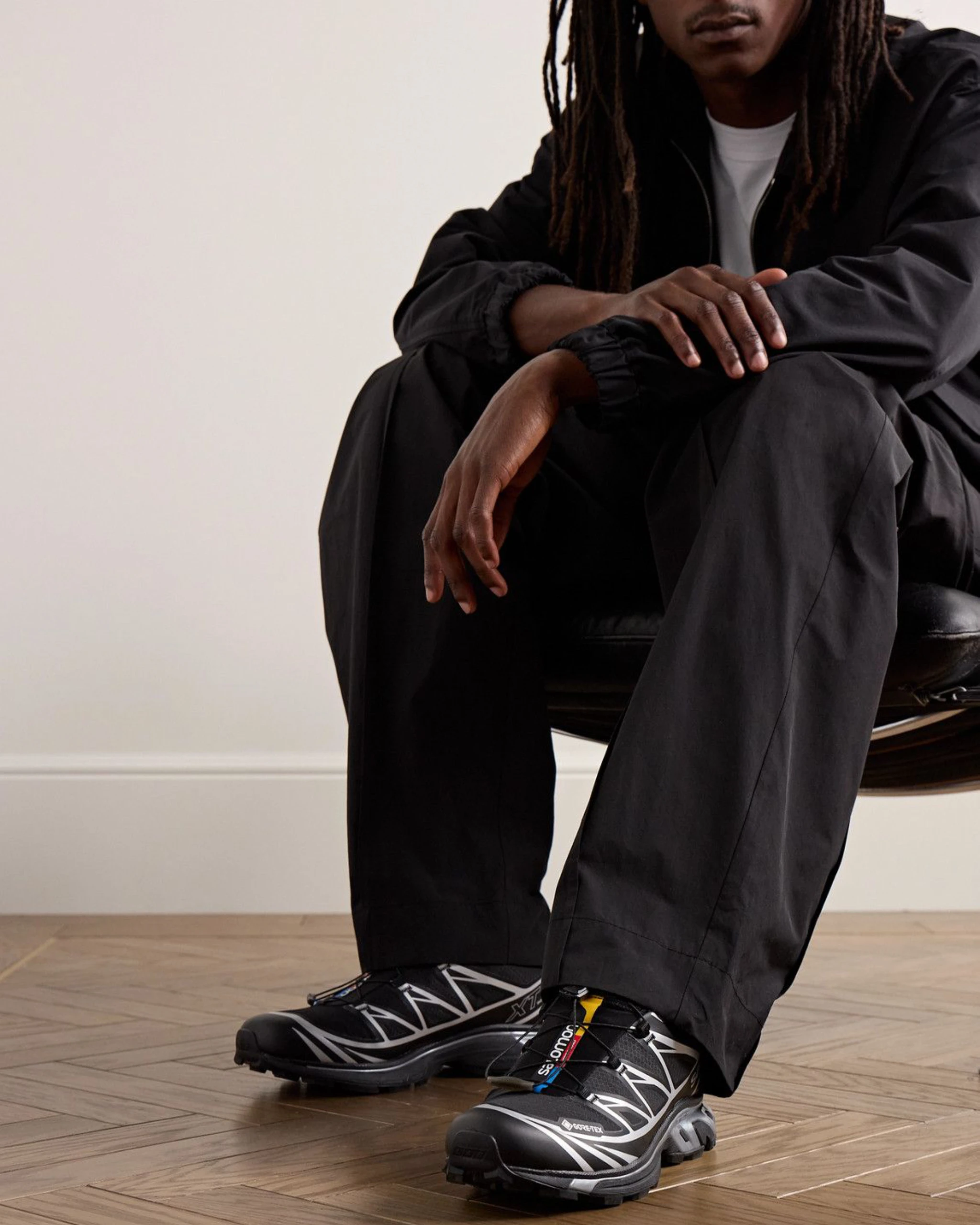
At the same time, the types of sneakers in demand have diversified. ASICS’ Gel-1130, Brooks running shoes, Mizuno, Salomon, and slim silhouettes like the adidas Tokyo and the Samba are all experiencing growth.
These are not hype-driven drops, but products sought for design, functionality, and personal preference. Comfort and fit increasingly influence purchases alongside exclusivity or investment potential.
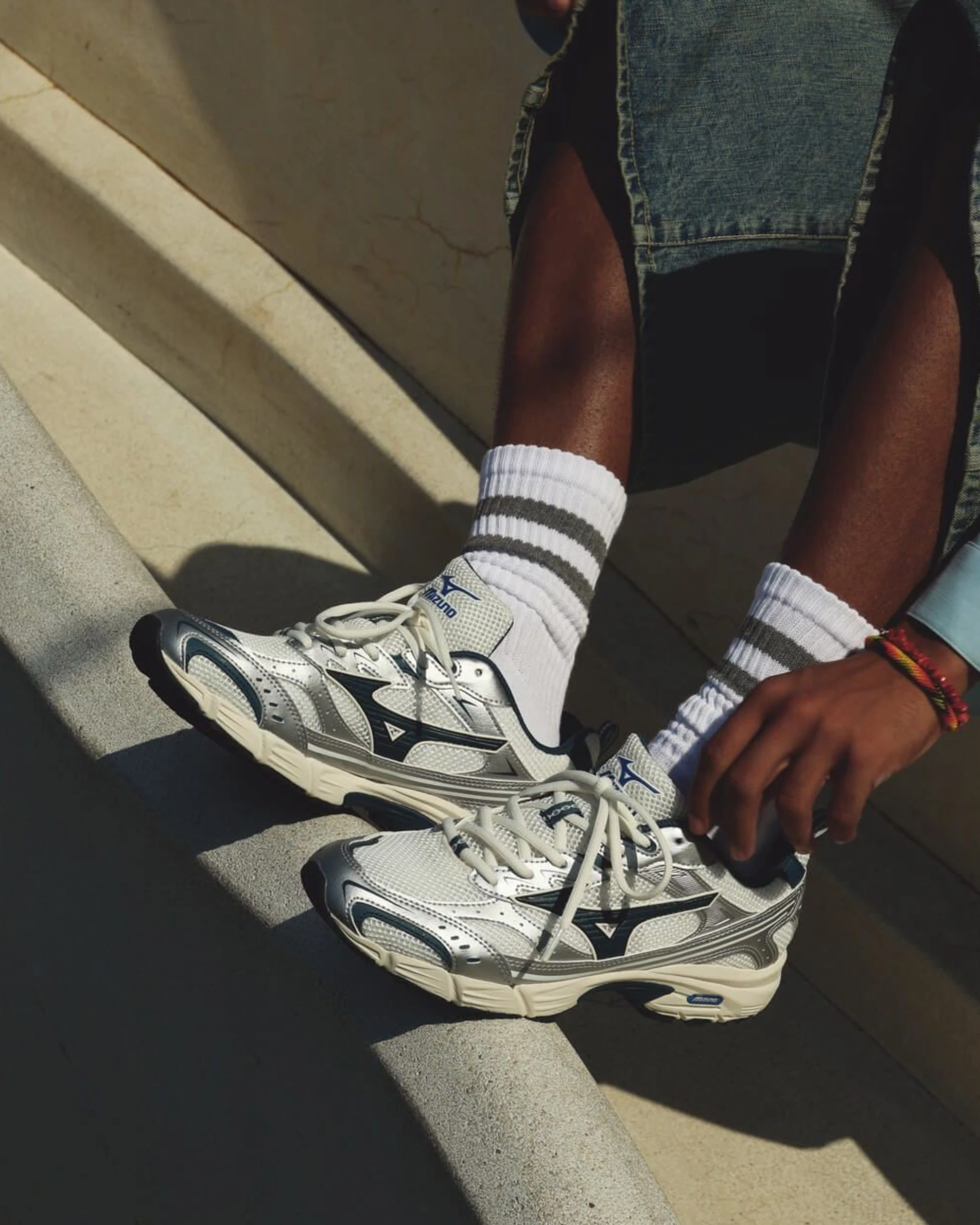
Legacy brands still play a central role. The Jordan 4 remains popular more than 40 years after its debut, and Kobe retros sell consistently. However, the reliance on retro releases highlights a persistent challenge: the market rarely sees designs that feel genuinely new or groundbreaking.
Collaborations that once pushed design boundaries, like early SB Dunks, now appear sporadically rather than regularly.
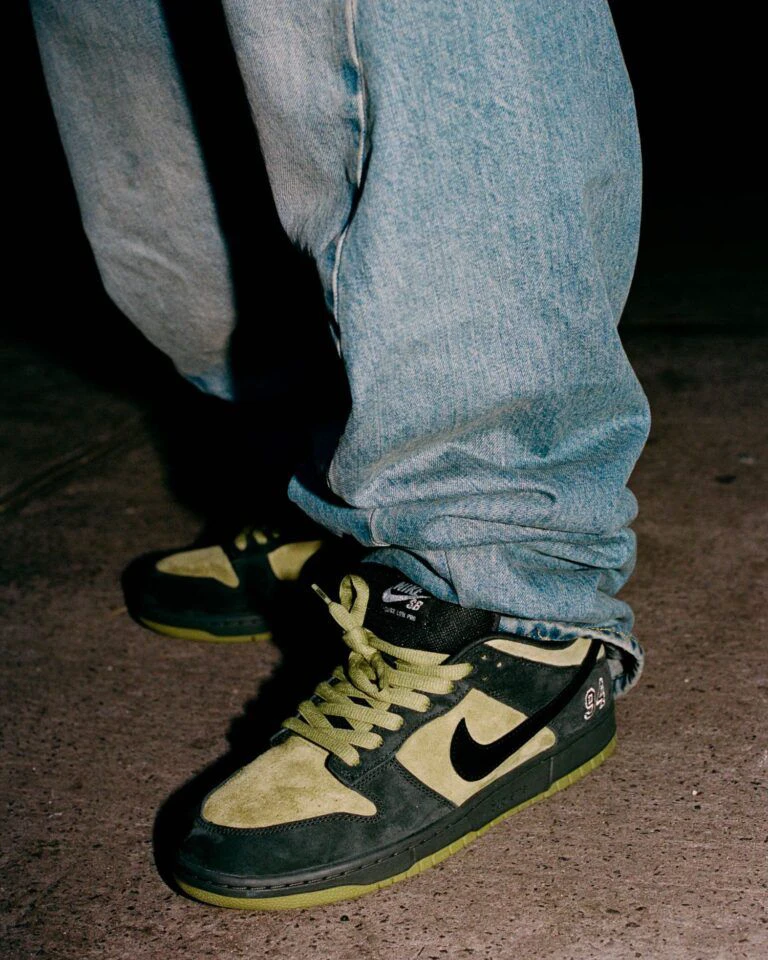
Splitting into many communities
Sneaker culture itself has become fragmented. No longer defined by a single dominant community, it now includes distinct subgroups: performance-focused buyers seeking basketball or running shoes, fashionFashionThe art and industry of designing, producing, and styling clothing, footwear, accessories, and beauty trends. It reflects cultural influences, personal expression, and evolving styles across seasons and markets.Go to Fashion Glossary-oriented consumers drawn to slimmer silhouettes, collectors chasing legacy, and casual buyers prioritizing comfort. Each group participates in sneaker culture, but with different motivations and values.
This diversification has benefits. When Brooks or Mizuno sees a surge in interest, or when hiking shoe models like the Salomon XT-6 top sales charts, it suggests the market is responding to functionality, not just hype.
Despite these shifts, the industry remains transitional. Brands still rely on nostalgia because it is safe and profitable. Innovation exists but occurs inconsistently. Breakthrough designs that could redefine trends are less frequent than in earlier eras. The market has died down, but the desire for well-designed sneakers remains.
Beyond the hype
In 2025, sneaker culture is not dead. It is complex and evolving. Hype may have cooled, but performance, lifestyle, retro, and innovation coexist.
The market is no longer defined by a single narrative, and that fragmentation may allow for more sustainable growth and creativity.
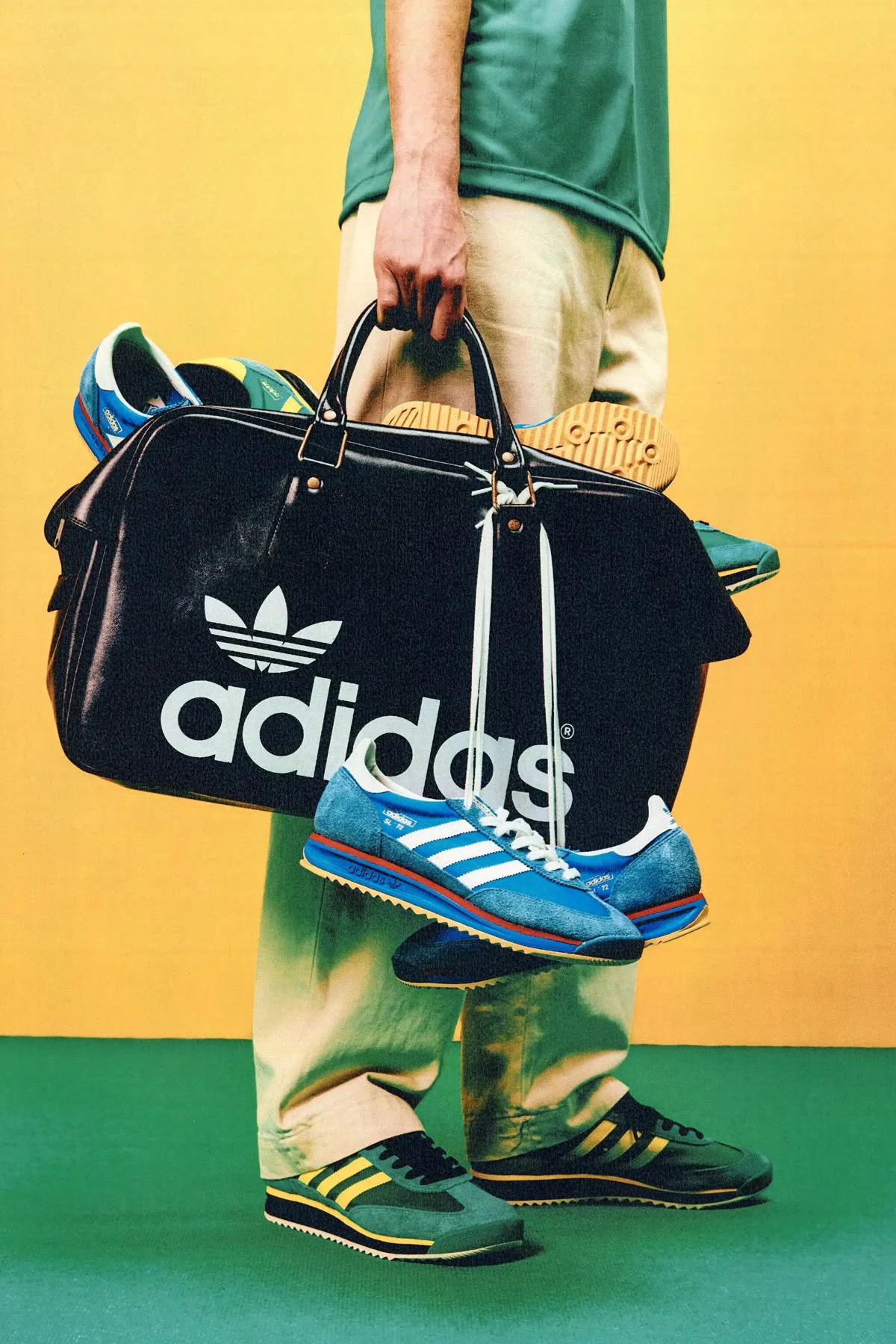
Sneaker culture continues to be about more than shoes. It is about the stories people carry with them, the communities they participate in, and the choices they make in what they wear. The culture has grown beyond its hype-driven past, and in doing so, has become both more accessible and more varied.
Frequently Asked Questions
Sneaker culture has shifted from hype-driven releases to a more diverse market where performance, lifestyle, and nostalgia all coexist.
Yes, retro Jordans remain strong sellers, but they no longer generate the extreme hype or resale prices of the early 2010s.
Lifestyle runners from ASICS, Brooks, Mizuno, and Salomon, as well as slim silhouettes like the adidas Tokyo and Onitsuka Tigers, are currently popular.
Hype culture has slowed due to wider supply, lower resale margins, and a shift toward personal style and functionality.
Yes, sneaker culture is thriving in a more fragmented way, with multiple subcultures shaping trends beyond just nostalgia or hype.

Recommended Video