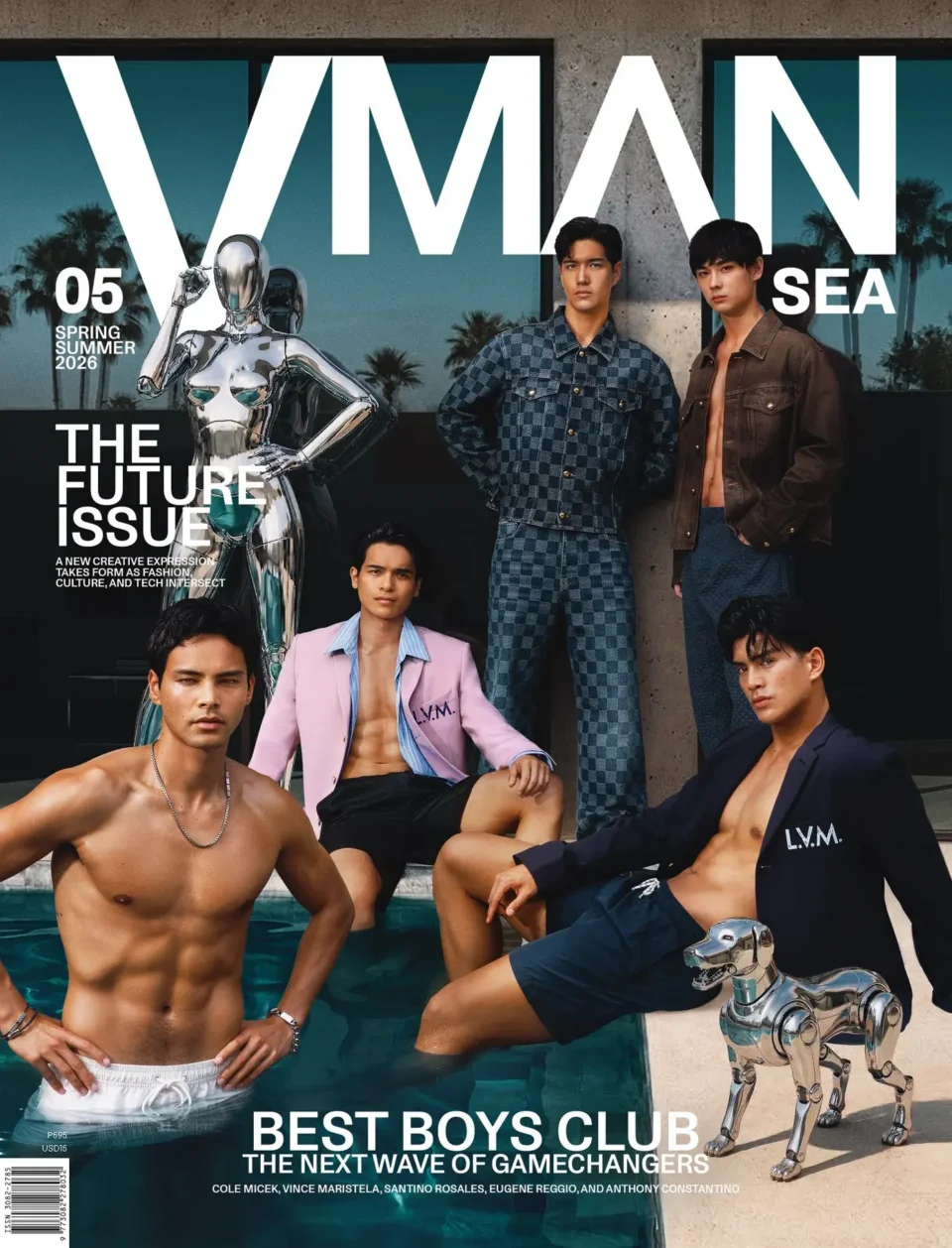
A Gen Z James Bond Is Coming. But What Happens to His Suit?
The world’s most famous spy is about to get a makeover, and the sharpest question isn’t who he’ll be, but what he’ll wear




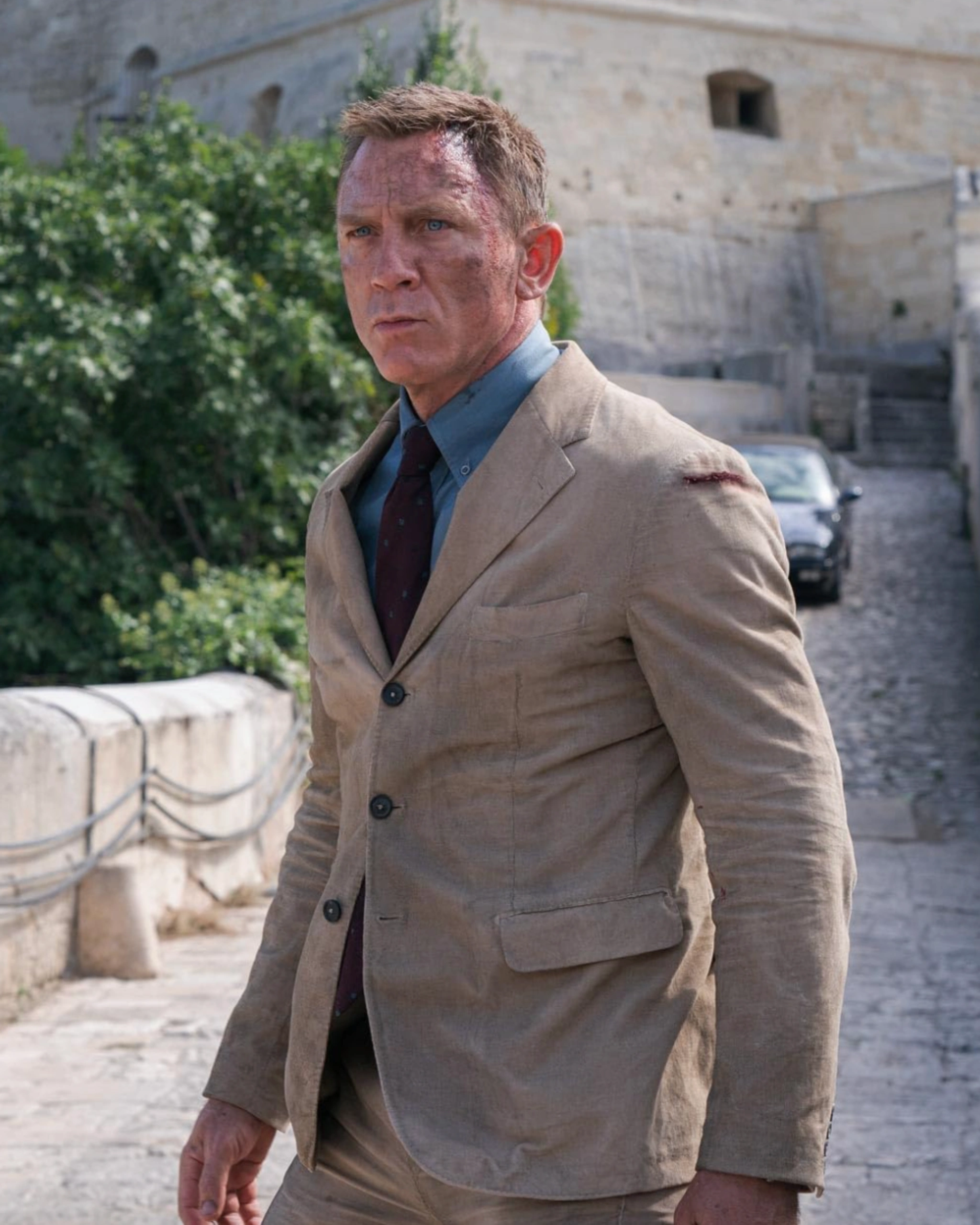
For more than 60 years, James Bond has been the most famous man in a suit. The cars change, the gadgets change, the women change. But the tailoring, razor-sharp, unmistakably masculine, and endlessly imitated, has been as central to the character as the Walther PPK. When you picture Bond, you do not picture him in sweatpants. You picture him adjusting his cufflinks before leaping from a train.
Now, the suit itself may be facing its most radical test yet.
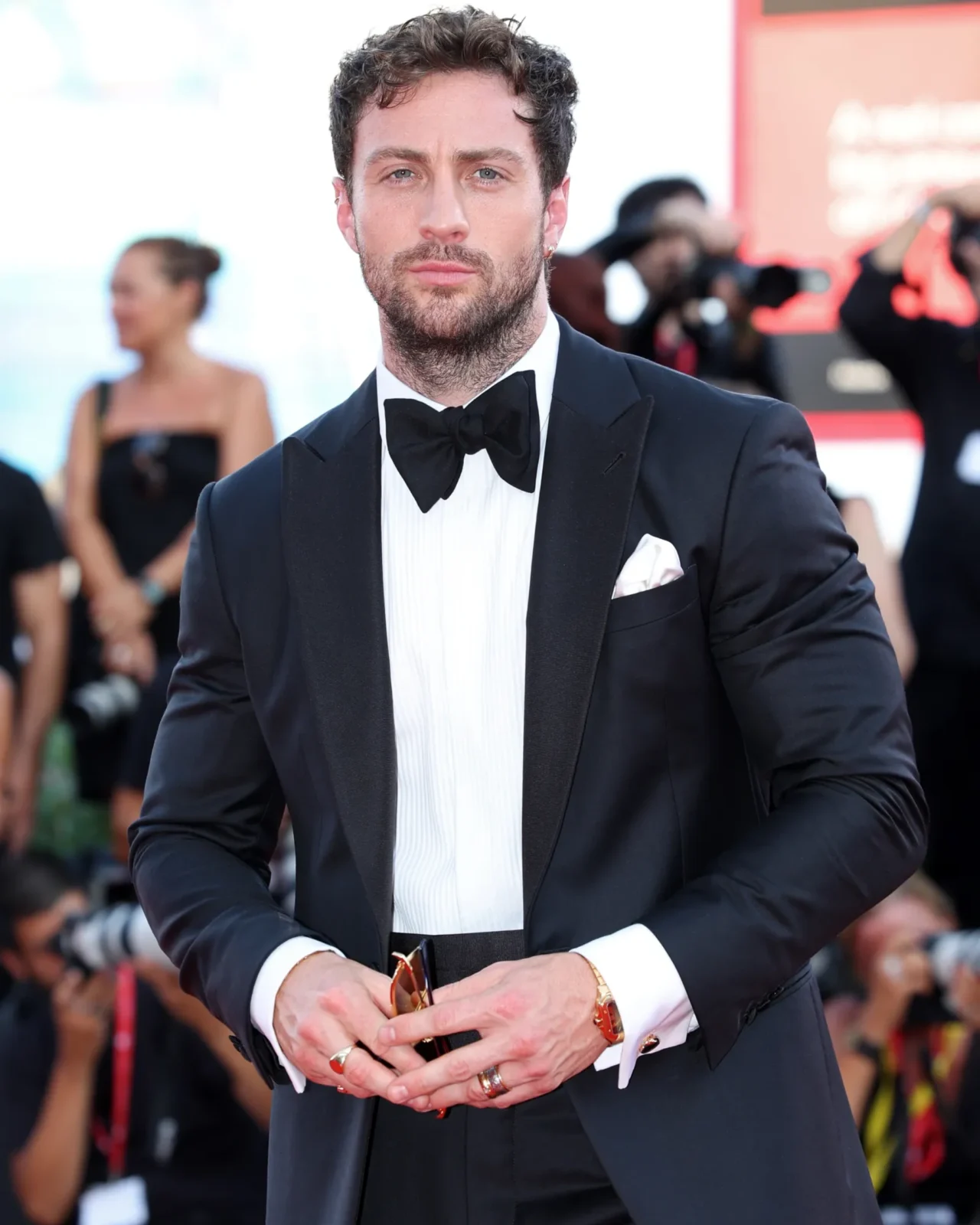
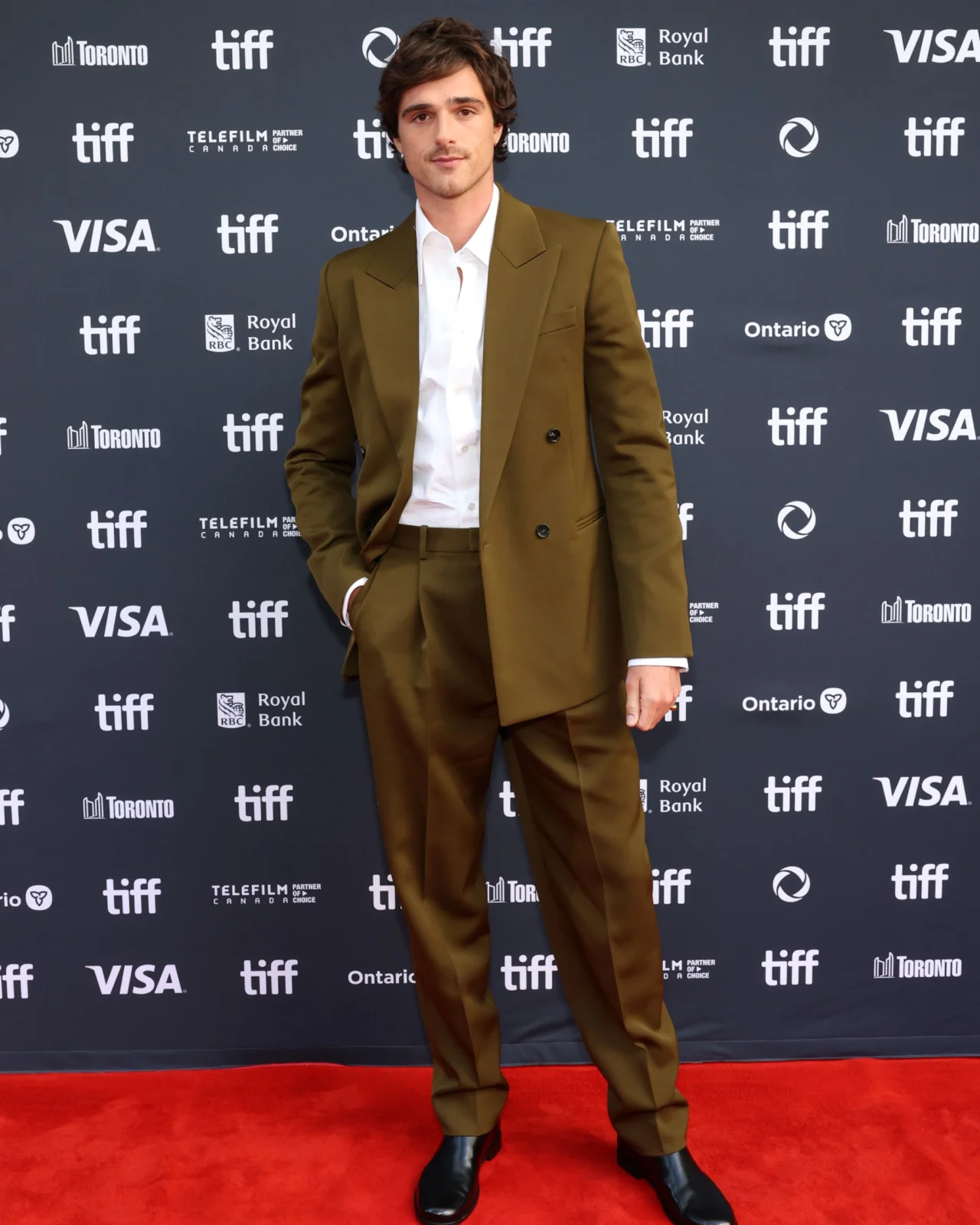
Bond 26, the still-untitled next installment in the franchise, is slowly coming into view. Amazon, which now owns MGM’s catalog, has signed Denis Villeneuve to direct and Steven Knight to write. That much is official. What is not official, but increasingly loud in the industry whisper network, is the question of casting. News outlets reported earlier this year that producers are actively considering actors under 30 for the role. The names sound like a fanfiction shortlist: Aaron Taylor-Johnson, Harris Dickinson, Jacob Elordi, Timothée Chalamet, Tom Holland.
The prospect of a “Gen Z Bond” has already inspired speculation about the tone of the film, the shape of the action, and the charisma required of an actor young enough to have grown up on Daniel Craig’s tenure. Beneath those questions lies another, stranger one: what will he wear?
MORE: Five TV Shows Every Menswear Fan Should Watch
The suit as identity
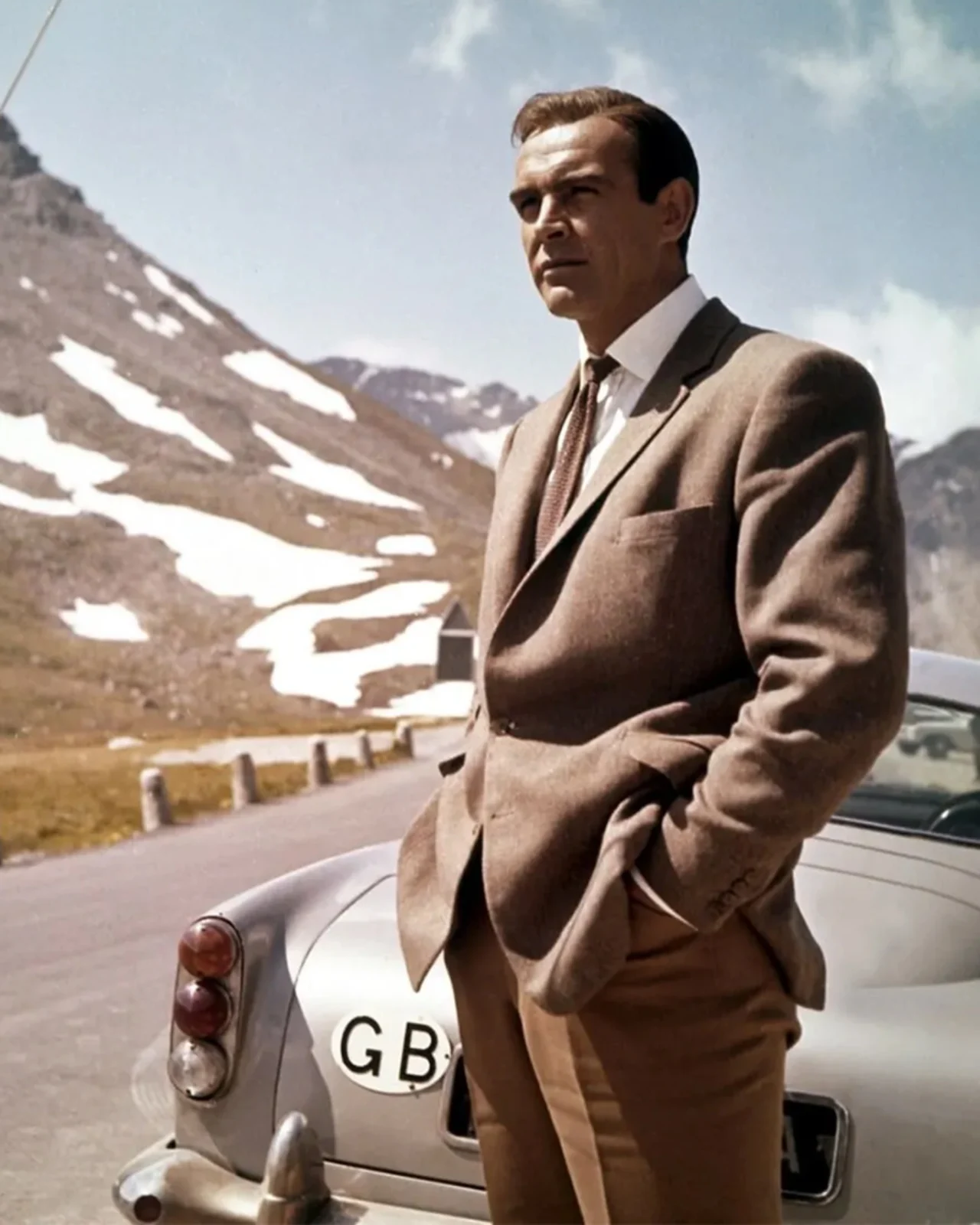
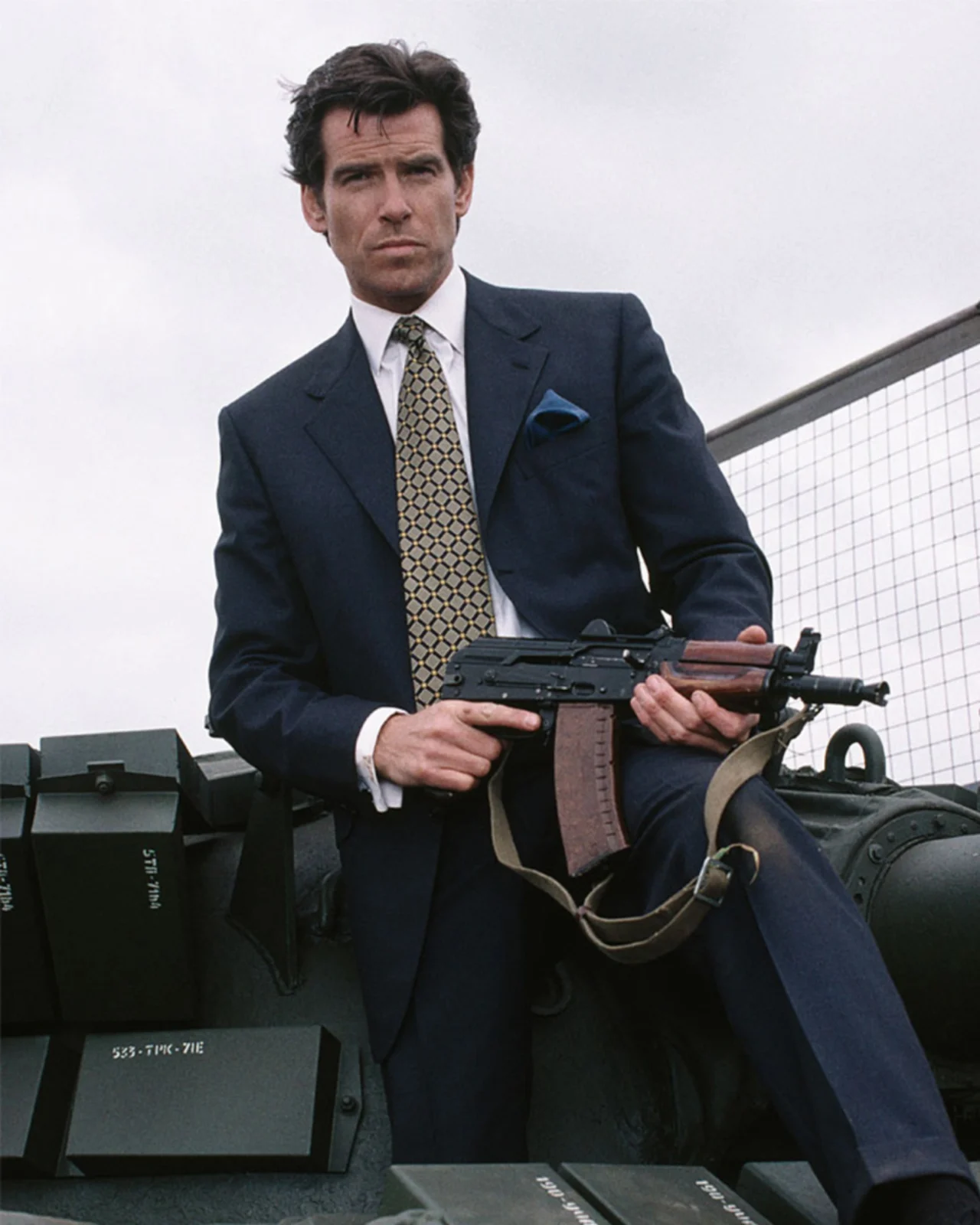
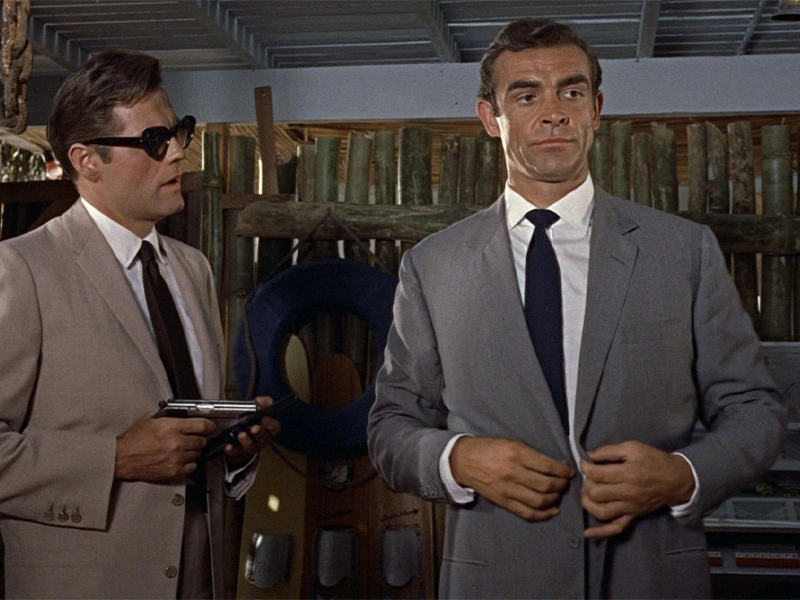
Every Bond has been defined by his tailoring. Sean Connery’s introduction in 1962’s Dr. No is inseparable from his grey flannel suit, cut by Anthony Sinclair, a Savile Row-trained tailor whose “Conduit Cut” defined the early spy. Roger Moore’s tenure leaned into slightly wider lapels and softer construction, reflecting the tastes of the 1970s. Pierce Brosnan’s 1990s wardrobe was full of overcoats and padded shoulders, less espionage and more investment banker, but entirely of its moment.
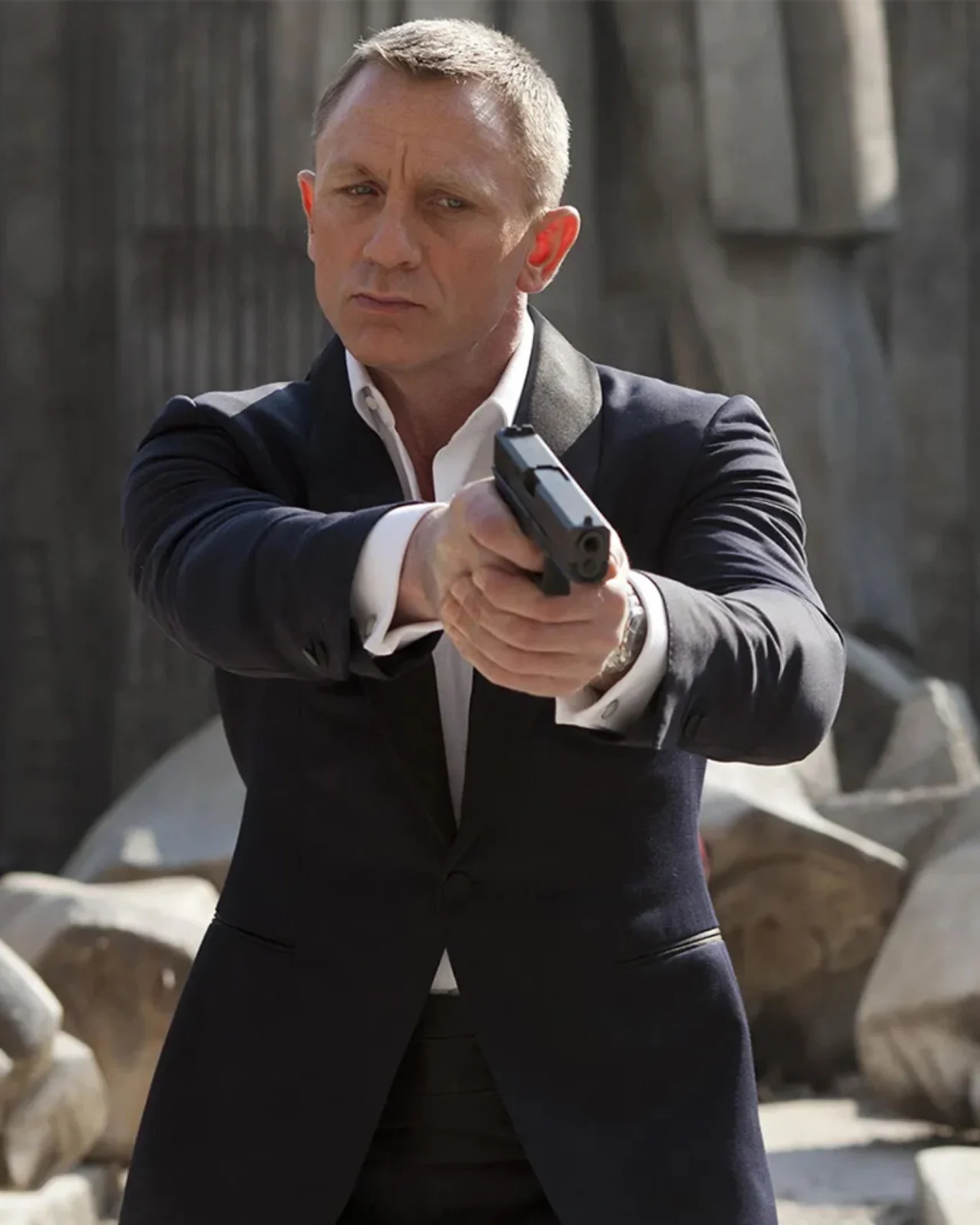
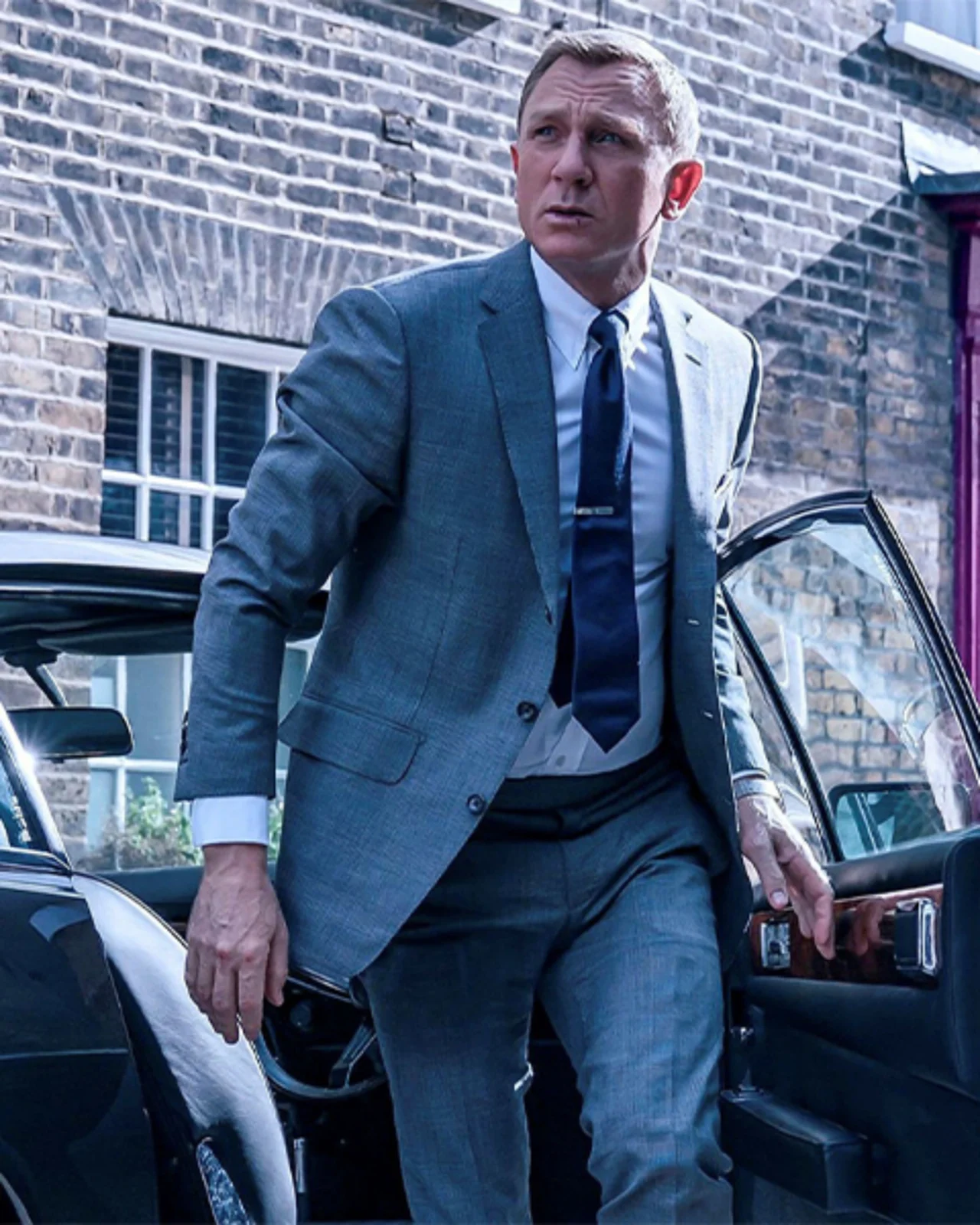
Daniel, who redefined the franchise for the 21st century, was almost inseparable from Tom Ford. His slim-cut navy and charcoal suits, single-breasted with narrow lapels, reflected both his gym-built frame and the aesthetics of the late 2000s and 2010s. They were sleek, unforgiving, and designed to communicate menace as much as elegance.
A generational shift
Which is why the idea of casting a man under 30 rattles the formula. A Bond of 28 is not simply a younger actor. He belongs to a generation whose relationship to tailoring is entirely different.
Look at the red carpets. Timothée has appeared in pearl chokers and backless halter tops. Jacob has become a poster boy for Bottega Veneta’s long, puddling trousers. Harris alternates between Prada minimalism and punkish leather. Even Tom Holland, usually the most traditional of the group, is more associated with comfortable sweatpants than the heritage of Savile Row.
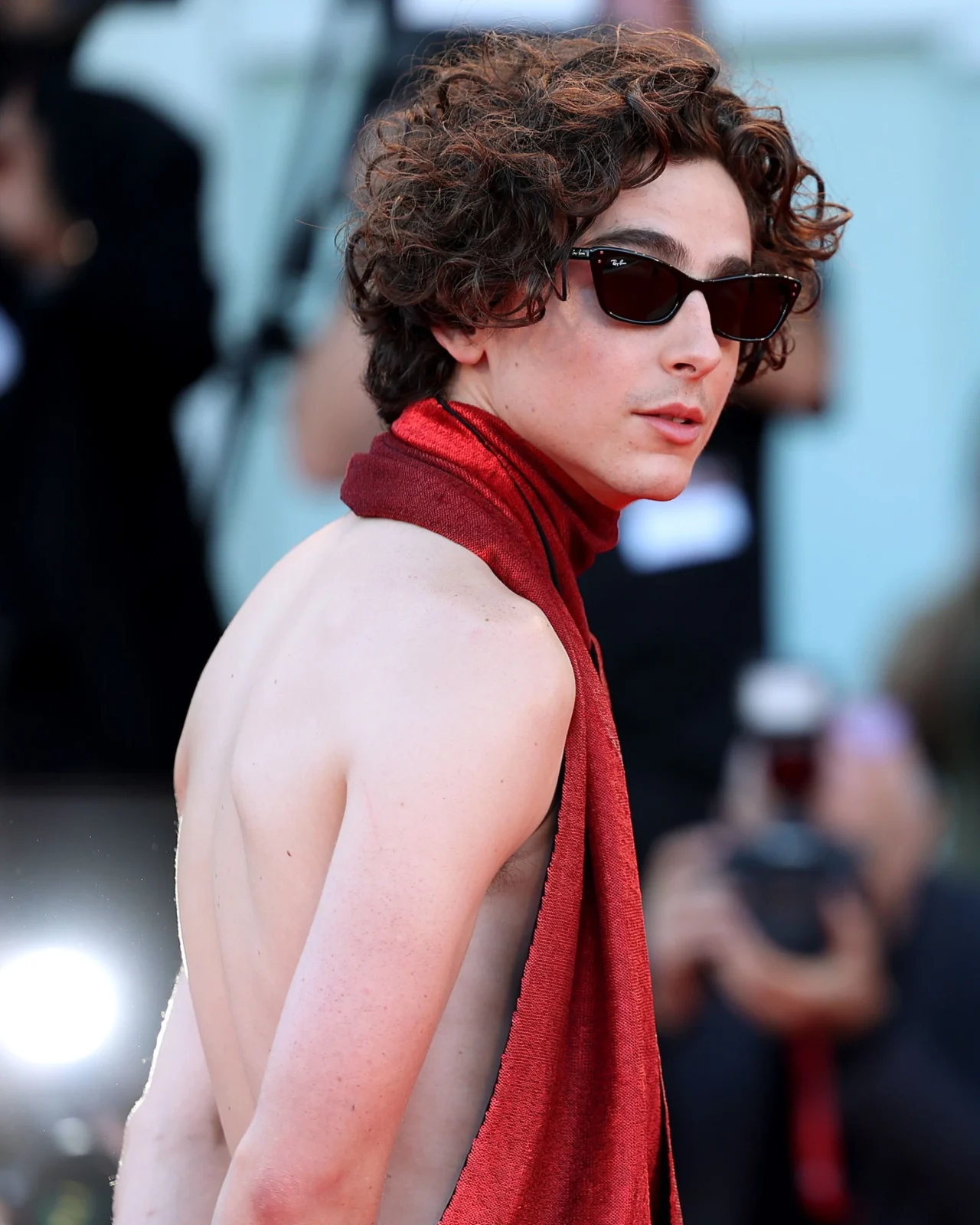
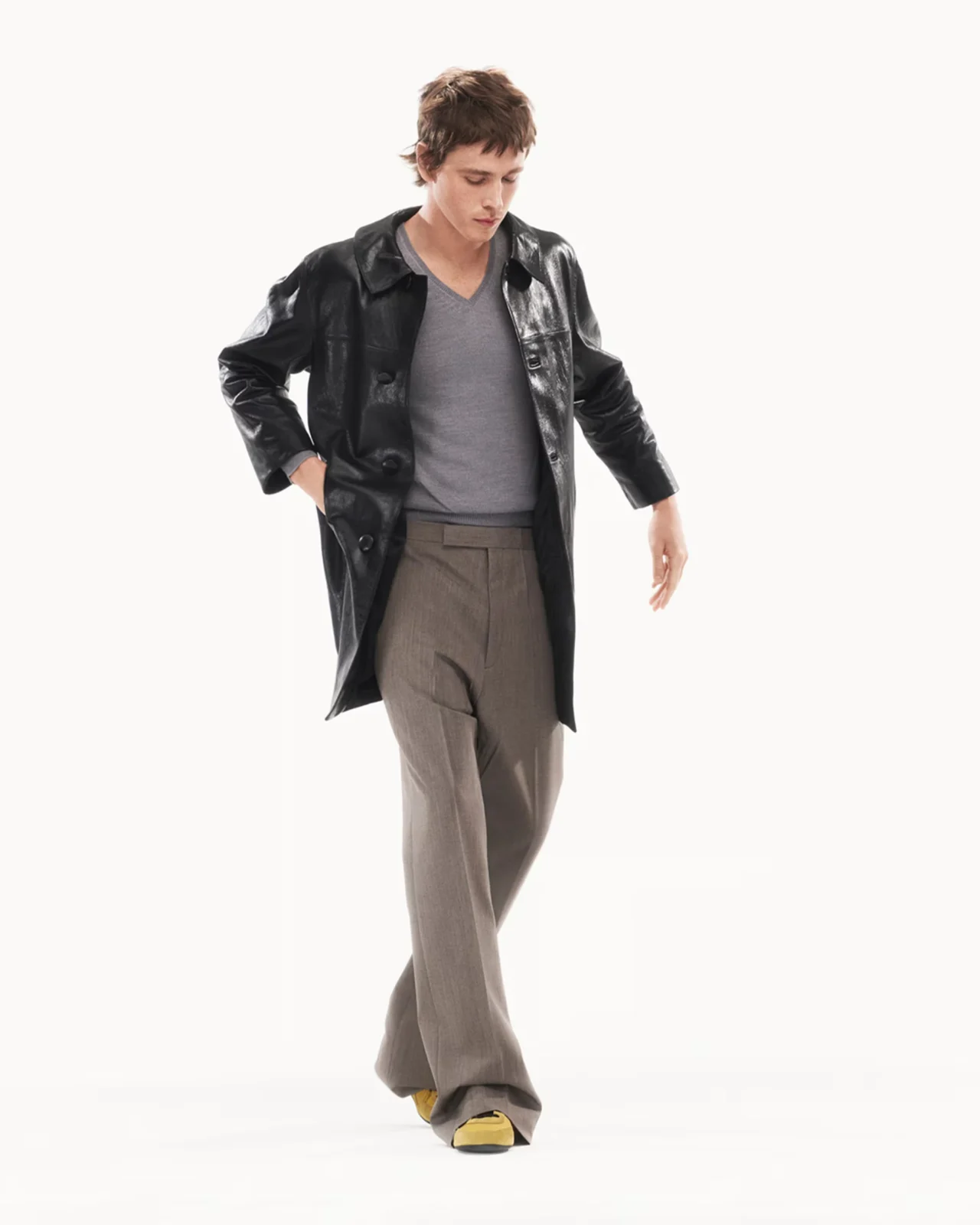
The tailoring of Gen Z men is intentionally loose, playful, and often ironic. Boxy jackets. Pastel silks. Trainers worn with double-breasted blazers. Suits as costumes rather than uniforms. If you transplanted one of these looks into a Bond film, the result would not be espionage.
This isn’t a minor aesthetic question. Bond’s credibility has always rested on his ability to move between worlds, to disappear into a Monte Carlo casino, a Berlin nightclub, or a Venetian palazzo. The suit has functioned as camouflage as much as signature. Too fashionable a cut and Bond stands out. Too flamboyant a color and the spell breaks.
The future of 007
At the end of the day, Bond is not a model. He is a spy. Which means the tailoring, however stylish, must also be functional. It must conceal weapons, allow movement, and serve as disguise. Oversized Bottega trousers may flatter Jacob on a red carpet, but they would trip him on a rooftop chase. A Timothée-inspired silk halter might electrify social media, but it would not pass in Monte Carlo.
The franchise has survived reinvention before. Bond has shifted from Cold War spy to post-9/11 operative, from misogynist playboy to conflicted modern man. The tailoring, too, has shifted but never broken.
If the next Bond is indeed a member of Gen Z, his suits will need to do what Bond has always done: exist outside of fashionFashionThe art and industry of designing, producing, and styling clothing, footwear, accessories, and beauty trends. It reflects cultural influences, personal expression, and evolving styles across seasons and markets.Go to Fashion Glossary while embodying the moment. The next tuxedo must look at once like it belongs in 2025 and like it could still belong in 2045. That is the paradox of 007. He is timeless, and yet always of his time.

The Aston Martins can change. The martini can be swapped for a bourbon or, God forbid, a BuzzBall. But until the day the world stops caring about Bond, one thing remains certain: the man will wear a suit.
The only question is what kind of man, and what kind of suit, we will see.
Frequently Asked Questions
Tailoring serves as an essential narrative tool for James Bond, establishing his masculine identity and social mobility across sixty years of cinema. From Sean Connery’s structured Anthony Sinclair suits to Daniel Craig’s sleek Tom Ford pieces, his wardrobe acts as functional tactical camouflage.
The Gen Z menswear paradigm deliberately deconstructs formal dress conventions through relaxed, boxy silhouettes, deconstructed shoulders, and fluid styling choices. This playful approach contrasts sharply with the precise, military-derived structural rigidity historically prioritized by traditional British heritage houses.
James Bond’s clothing must transcend short-term trends to preserve his credibility as a stealth operative. Highly avant-garde cuts, oversized silhouettes, or eccentric color combinations jeopardize the character’s core requirement to move seamlessly between exclusive global environments without drawing unwanted attention.
Beyond visual prestige, 007’s tailoring requires intense mechanical engineering to survive action-heavy cinematic sequences. Wardrobe designs must accommodate hidden weaponry, facilitate fluid physical movement during complex stunts, and retain pristine structural lines under extreme physical duress.
The franchise can achieve modern continuity by introducing contemporary textile technologies and subtle lifestyle elements that mirror current tailoring evolutions without embracing short-lived hype aesthetics. The clothing must balance precise historical styling with a cutting-edge, forward-looking fit.
Recommended Video