The Ultimate Guide to Blazers, Suit Jackets, and Sport Coats for Men
Many men wear them interchangeably, but the differences between them shape how we signal formality and style




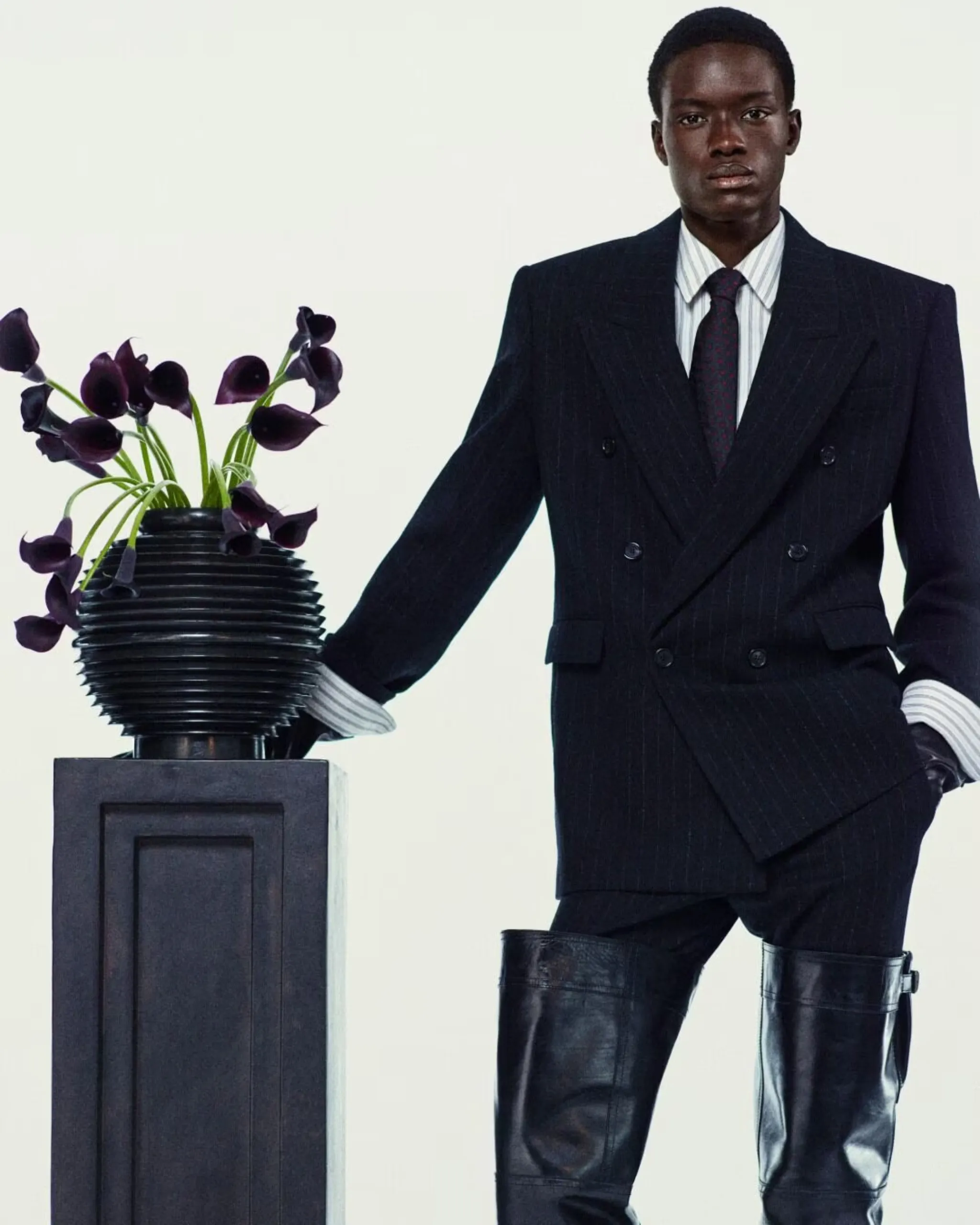
Any man could walk into a department store and find a rack of jackets, all labeled “blazers,” lined up as if they were interchangeable. In reality, the differences are more nuanced. Suit jackets, sport coats, and true blazers each have their own histories, levels of formality, and specific purposes.
As men’s fashionFashionThe art and industry of designing, producing, and styling clothing, footwear, accessories, and beauty trends. It reflects cultural influences, personal expression, and evolving styles across seasons and markets.Go to Fashion Glossary continues to evolve and become more relaxed, the lines between them have started to blur. Still, for those who care about dressing with intent, understanding the distinction remains a mark of sartorial awareness.
ALSO READ: The 5 Accessories That Make or Break a Suit
The suit jacket
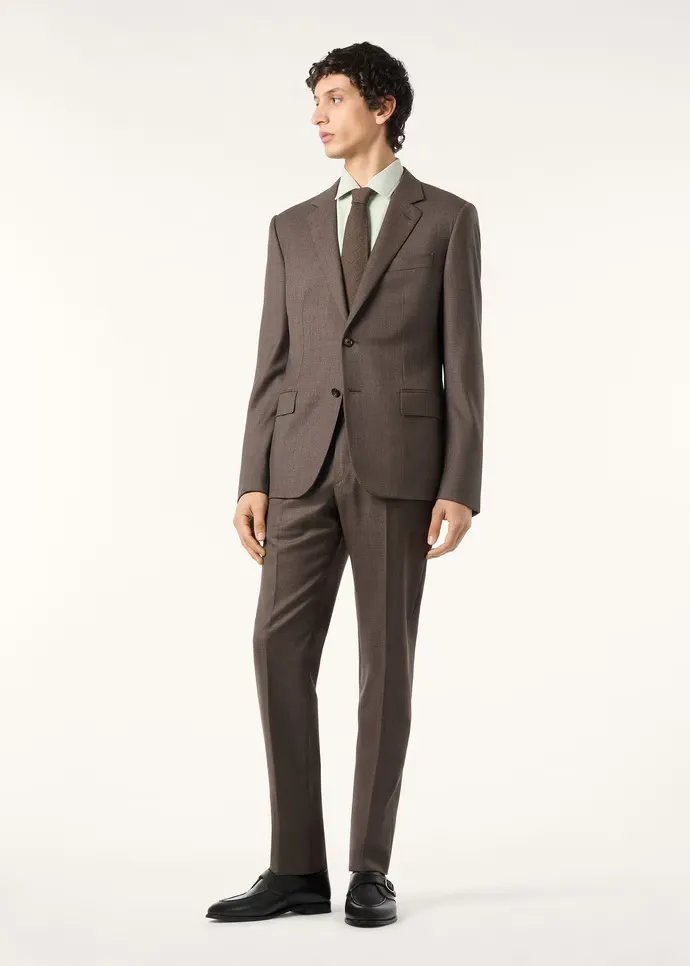
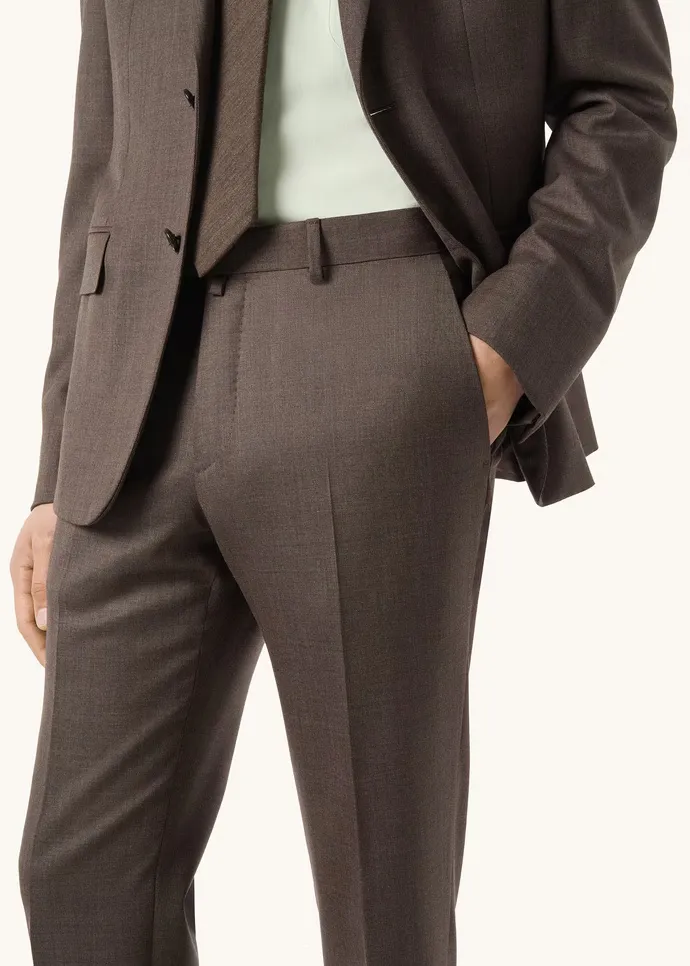
Let’s start with the suit jacket. It is the most formal of the three, and also the most straightforward. If the jacket was originally made as part of a suit, whether a two- or three-piece set cut from the same cloth, it is considered a suit jacket. It is designed to be worn as a unit, which is why it often features smooth worsted wool, structured shoulders, and minimal patterning.
You might see a Glen plaid or a chalk stripe, but little beyond that. The suit jacket is still the dignified uniform of boardrooms, weddings, funerals, and, though less frequently, everyday office life.
That said, the Italian technique of spezzato, which literally means “broken,” complicates things. Spezzato encourages mixing suit jackets and trousers from different sets. A common example might be a navy jacket paired with grey trousers.
This approach can make a suit jacket function more like a blazerBlazerA tailored jacket that is less formal than a suit coat and often worn with contrasting trousers, in single- or double-breasted styles. The blazer is a versatile wardrobe cornerstone, movingGo to Blazer Glossary or sport coat. However, the shoulder padding and fine wool often reveal its origins. You can separate a suit, but the formality is still there.
The sport coat
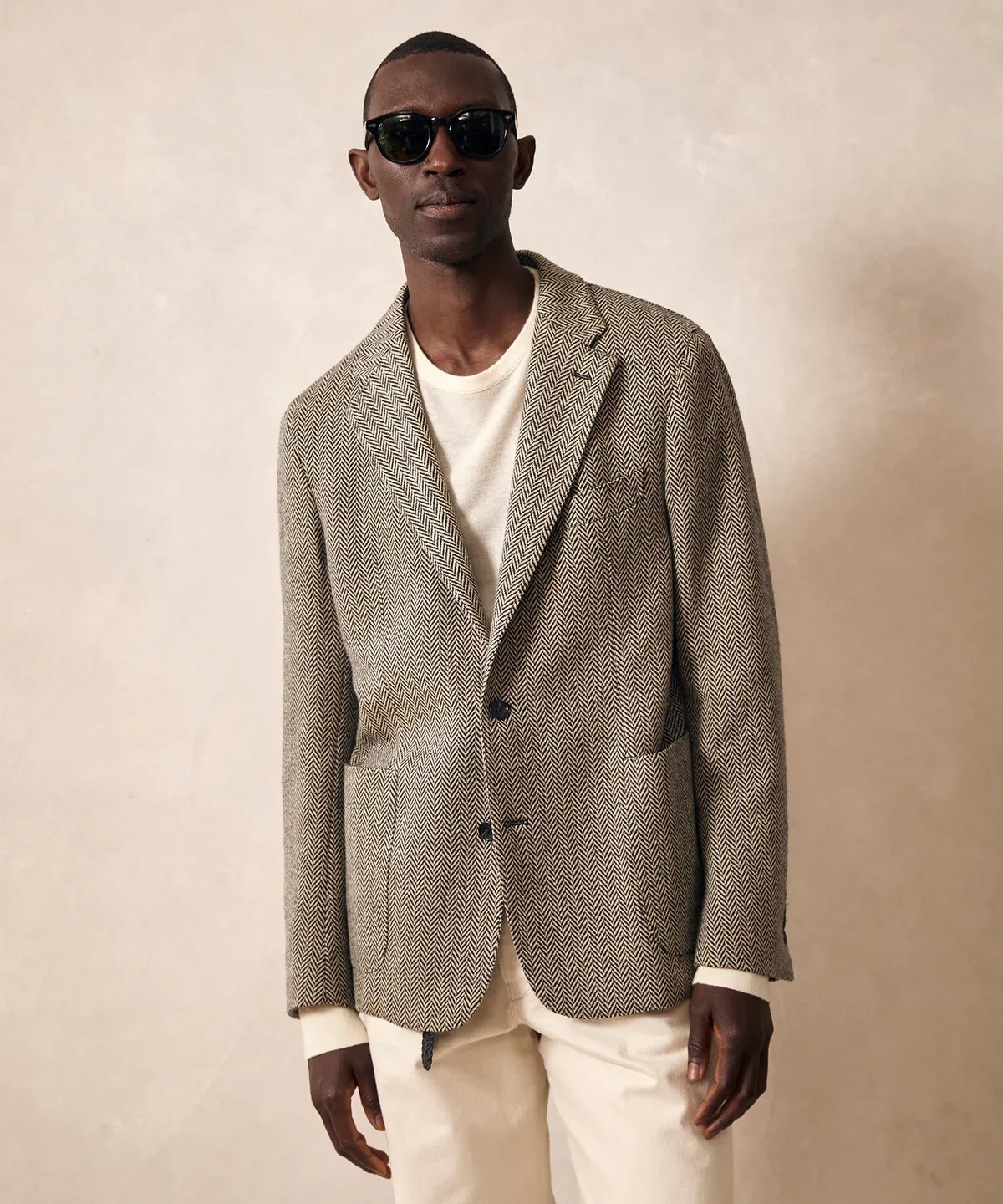
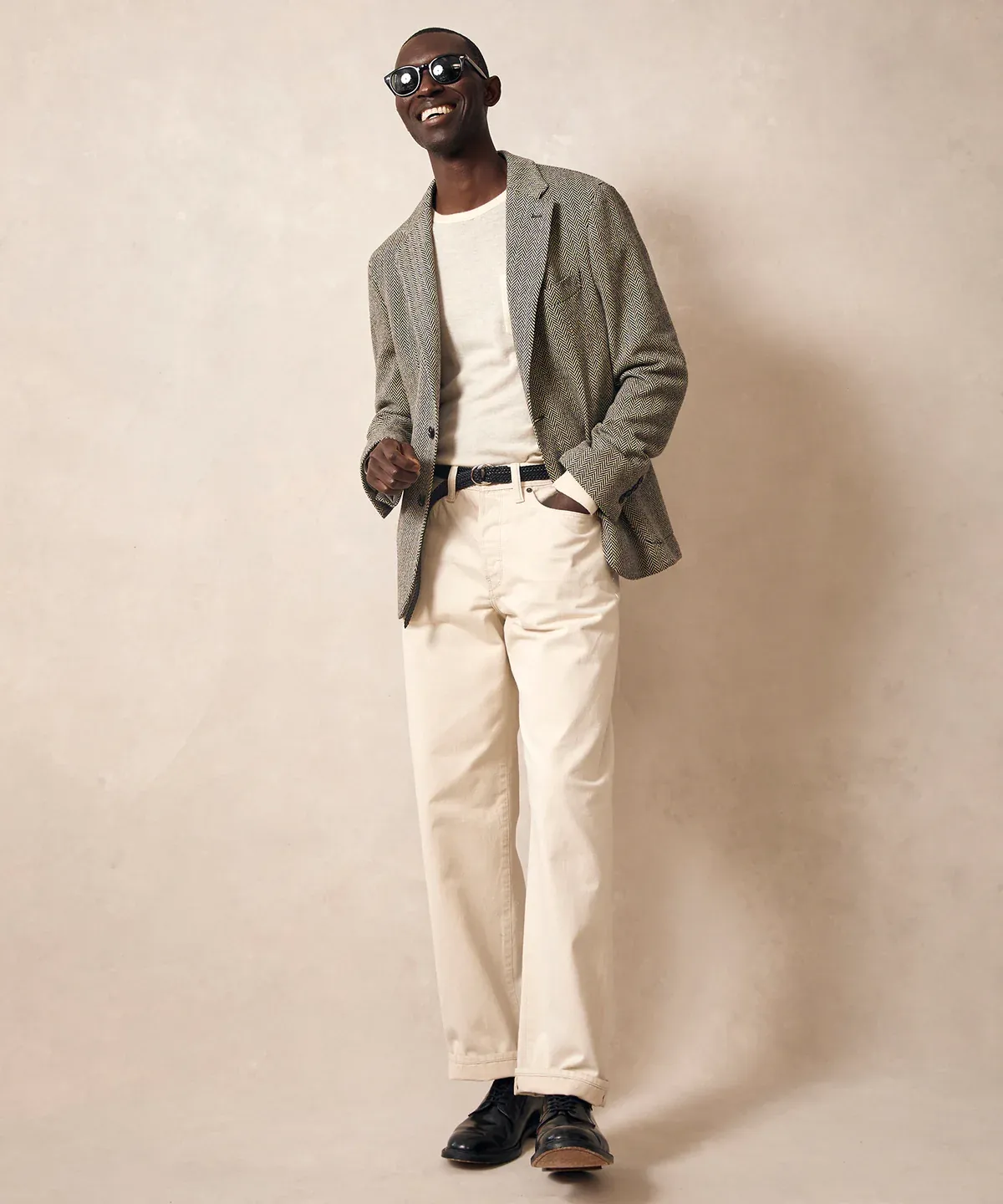
Then there is the sport coat. It is less formal, more versatile, and full of texture. Its roots lie in the British countryside, where it was worn for hunting parties and outdoor gatherings. These jackets are often made in tweeds, herringbones, or checks, with patterns that clearly signal they were never part of a matched set.
The construction is usually softer, the shoulders more natural, and the pockets are often patched rather than jetted. If the suit jacket belongs to the city, the sport coat belongs to the country. Where one leans toward formality, the other favors personal expression.
The blazer
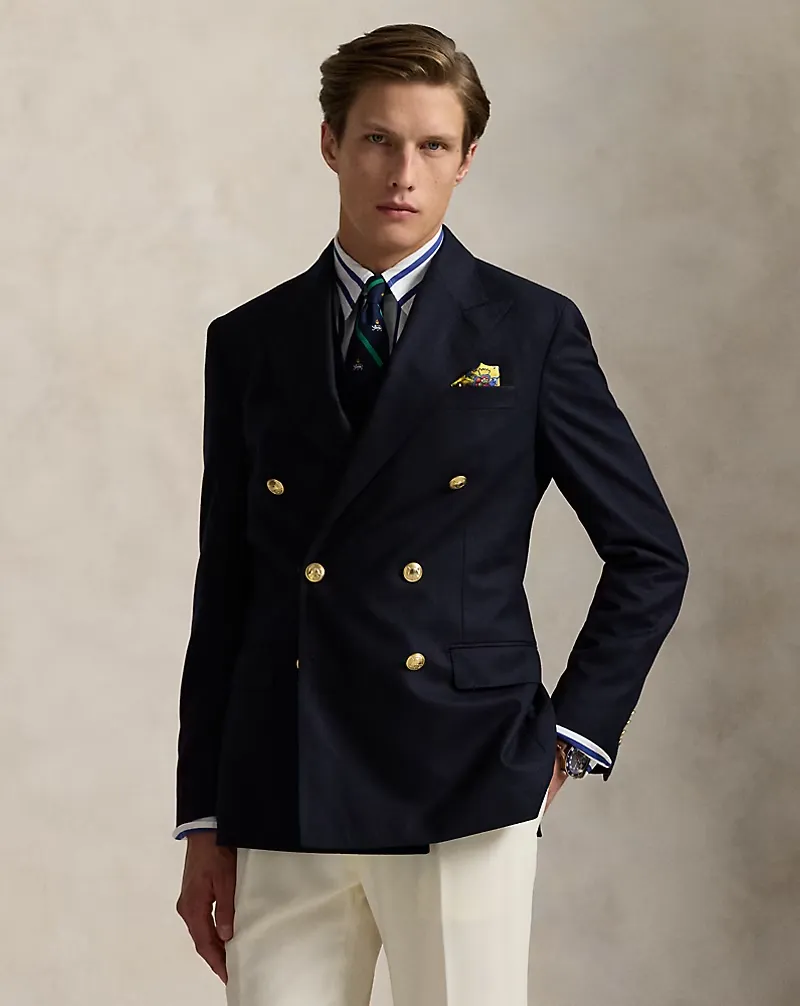
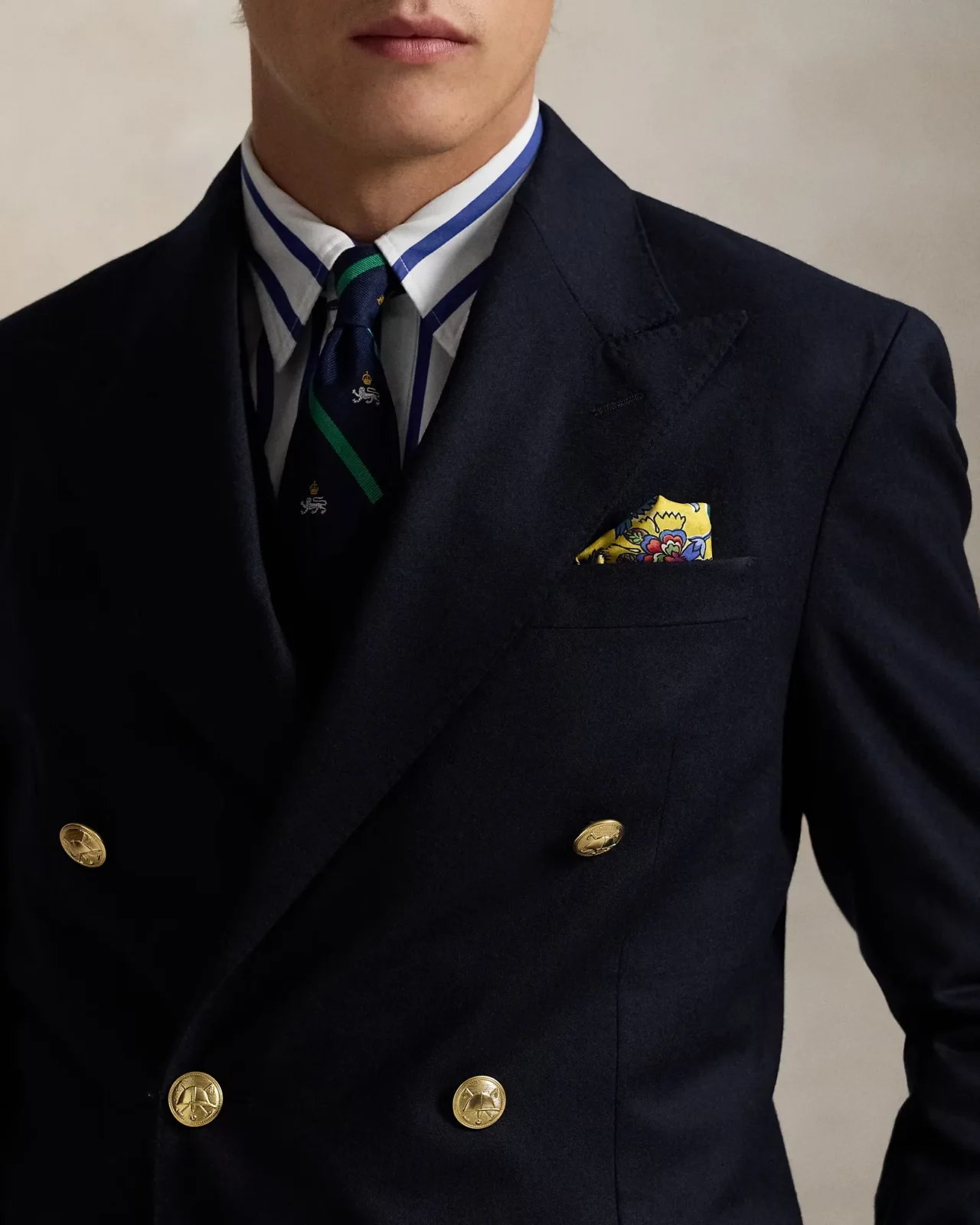
The blazerBlazerA tailored jacket that is less formal than a suit coat and often worn with contrasting trousers, in single- or double-breasted styles. The blazer is a versatile wardrobe cornerstone, movingGo to Blazer Glossary occupies a curious space between the sport coat and the suit. It is more formal than the former but less so than the latter. Its defining features include a solid color, often navy, and contrasting buttons, usually in brass or mother-of-pearl.
Many also carry crests, referencing their origins in boating clubs and military uniforms. The term “blazerBlazerA tailored jacket that is less formal than a suit coat and often worn with contrasting trousers, in single- or double-breasted styles. The blazer is a versatile wardrobe cornerstone, movingGo to Blazer Glossary” comes from the bright red jackets worn by the Lady Margaret Boat Club at Cambridge, which were said to be “ablaze” with color.
Why the differences matter
Of course, much of this taxonomy is lost in today’s fashionFashionThe art and industry of designing, producing, and styling clothing, footwear, accessories, and beauty trends. It reflects cultural influences, personal expression, and evolving styles across seasons and markets.Go to Fashion Glossary retail. On online platforms, you might see only two categories: suits and suit separates. In fast fashion stores, jackets are often mislabeled without regard for tradition or cut. As tailoring trends continue to shift toward softer structure, more fluid silhouettes, and performance fabrics, the lines between categories become even harder to define.
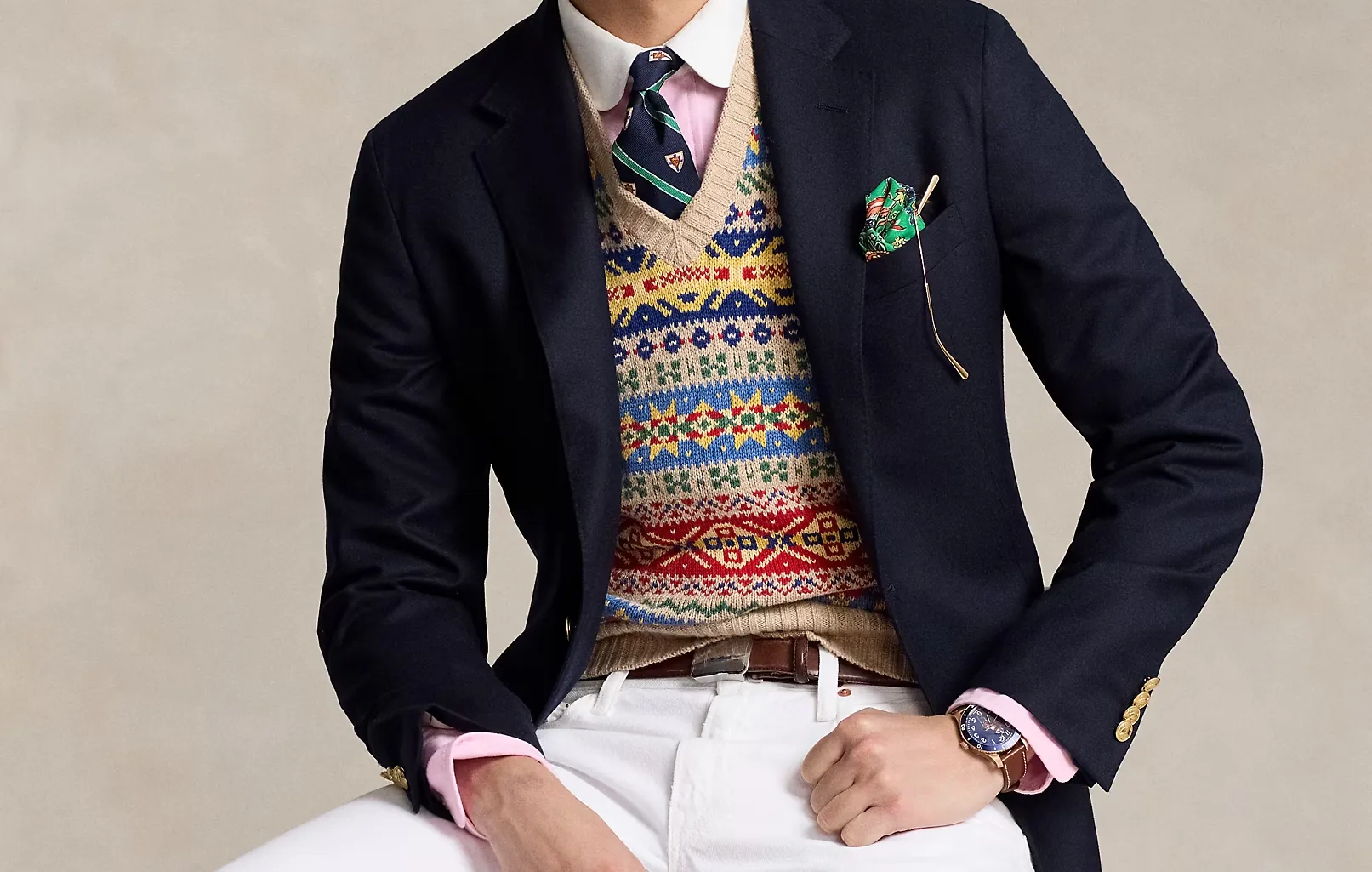
Still, the distinctions have not disappeared entirely. They remain useful for anyone navigating different dress codes, whether for work, special events, or travel. Understanding these categories is not about clinging to outdated rules. It is about recognizing how clothing functions within its context.
For a smart and flexible wardrobe, it is worth investing in one of each category if possible. Start with a classic navy blazer with metal buttons, add a textured sport coat in a neutral pattern, and include a well-tailored suit in charcoal or navy.
Modern style favors adaptability, but understanding what each jacket is and how it was originally intended to be worn can make all the difference in how you wear it now.
Photos courtesy Saint Laurent, Loro Piana, Todd Snyder, Ralph Lauren

Recommended Video