The Verdict Is In. Here’s What People Are Saying About Cannes’ Most Anticipated Films
Cannes 2025 has come and gone, leaving behind a trail of divisive debuts, emotional standouts, and early favorites already shaping the awards season conversation




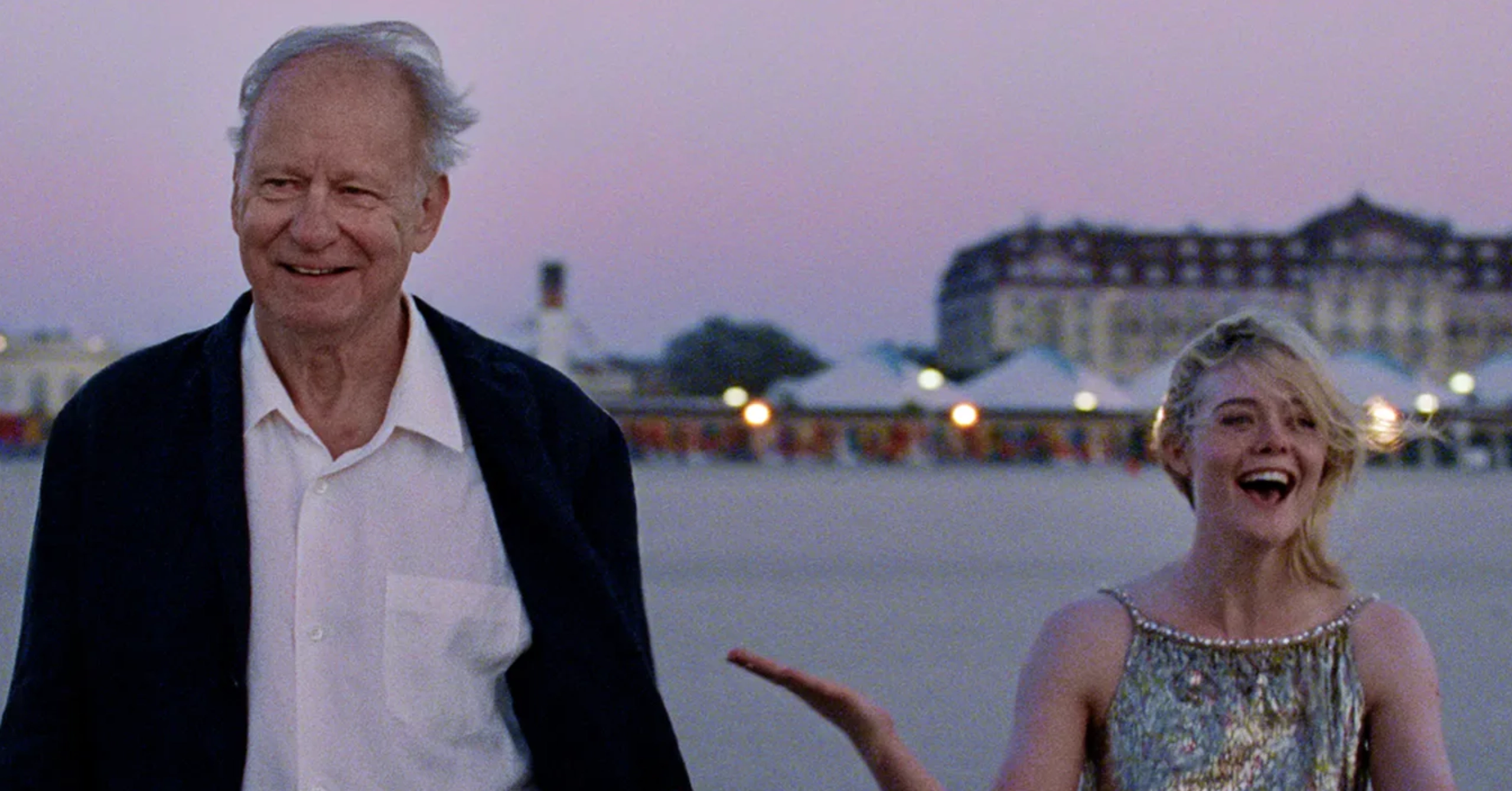
The final ovations have echoed down the Croisette, the palm trees are quiet again, and the dust, or glitter, is beginning to settle. Cannes 2025, in its 78th iteration, proved to be what it always aims to be: a reckoning of where cinema has been, and a provocation toward where it might go.
Now, with screenings finished and jury decisions made, early reactions are beginning to shape the reputations of the festival’s most anticipated titles. Some delivered on their promise. Some divided. A few were disappointed. All, in one way or another, reminded audiences that film, serious and ambitious film, still matters.
ALSO READ: Cannes We Kick Off Already? These 7 Films Are About to Set France on Fire
The Phoenician Scheme
by Wes Anderson
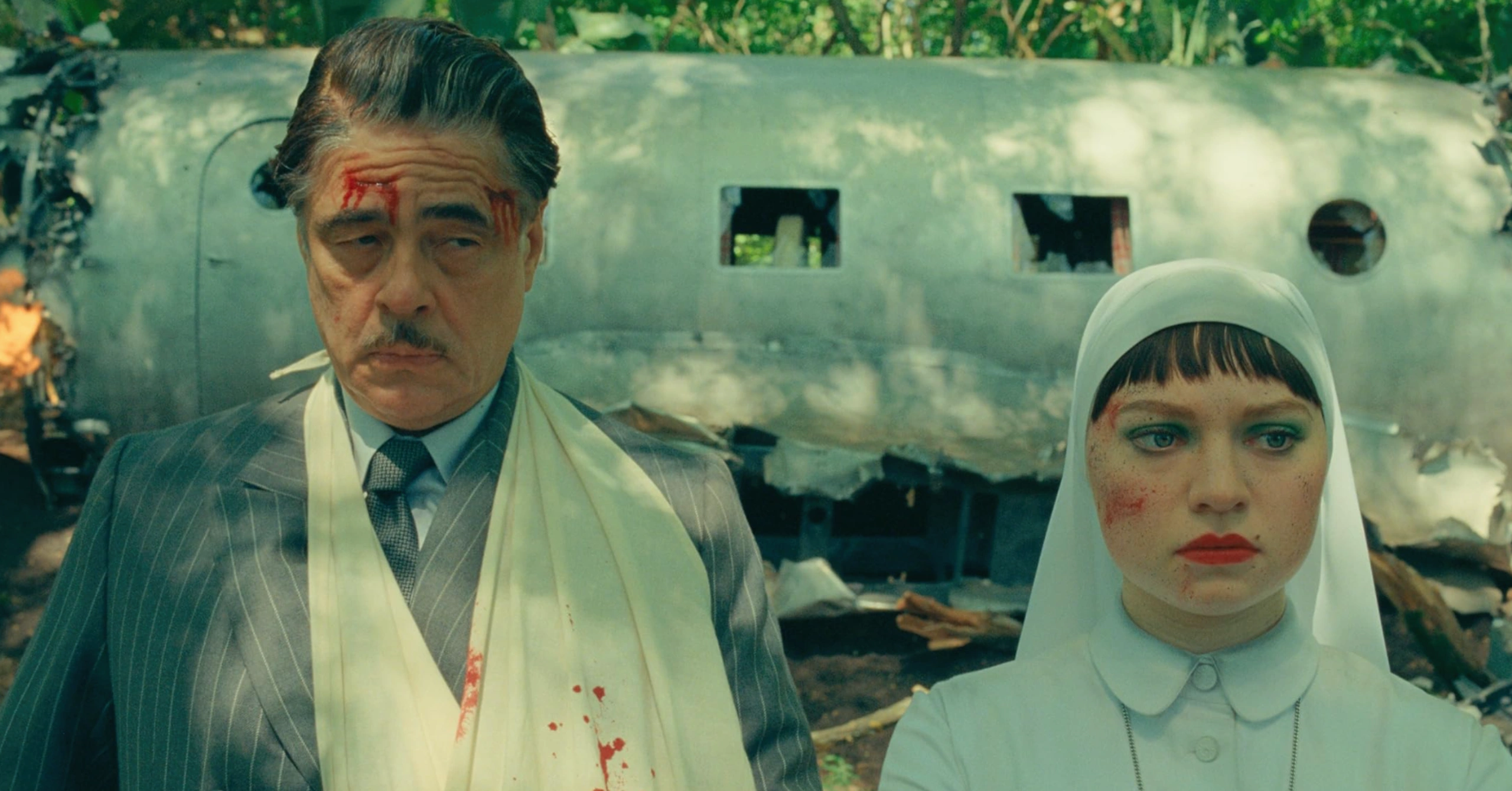
Wes’ ornate foray into espionage, was unmistakably his: symmetrical, pastel, and intricately constructed. But beneath the visual precision lay a deeper note of melancholy that caught some viewers off-guard. A few critics called it “Anderson’s The Third Man,” while others found it emotionally impenetrable. Still, Mia Threapleton, in her first Cannes appearance, became a breakout name overnight.
It Was Just an Accident
by Jafar Panahi
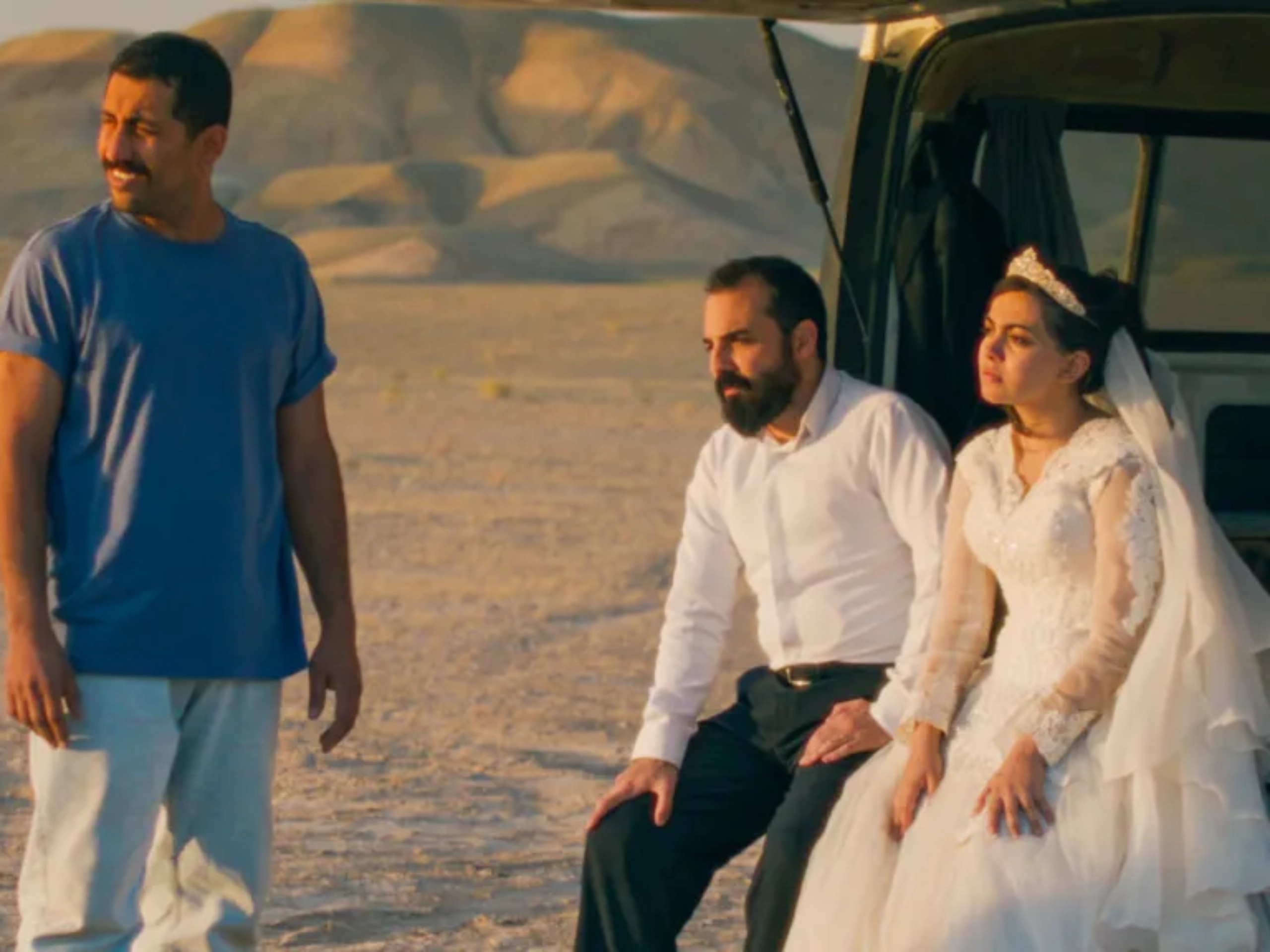
And then there was the surprise consensus pick: It Was Just an Accident, Jafar’s first film since his travel ban was lifted, and the eventual winner of the Palme d’Or. A spare, brutal, and politically loaded thriller set in Tehran, the film unfolded with the precision of a tense and utterly damning confession. Its victory felt less like a career award and more like a correction.
Highest 2 Lowest
by Spike Lee
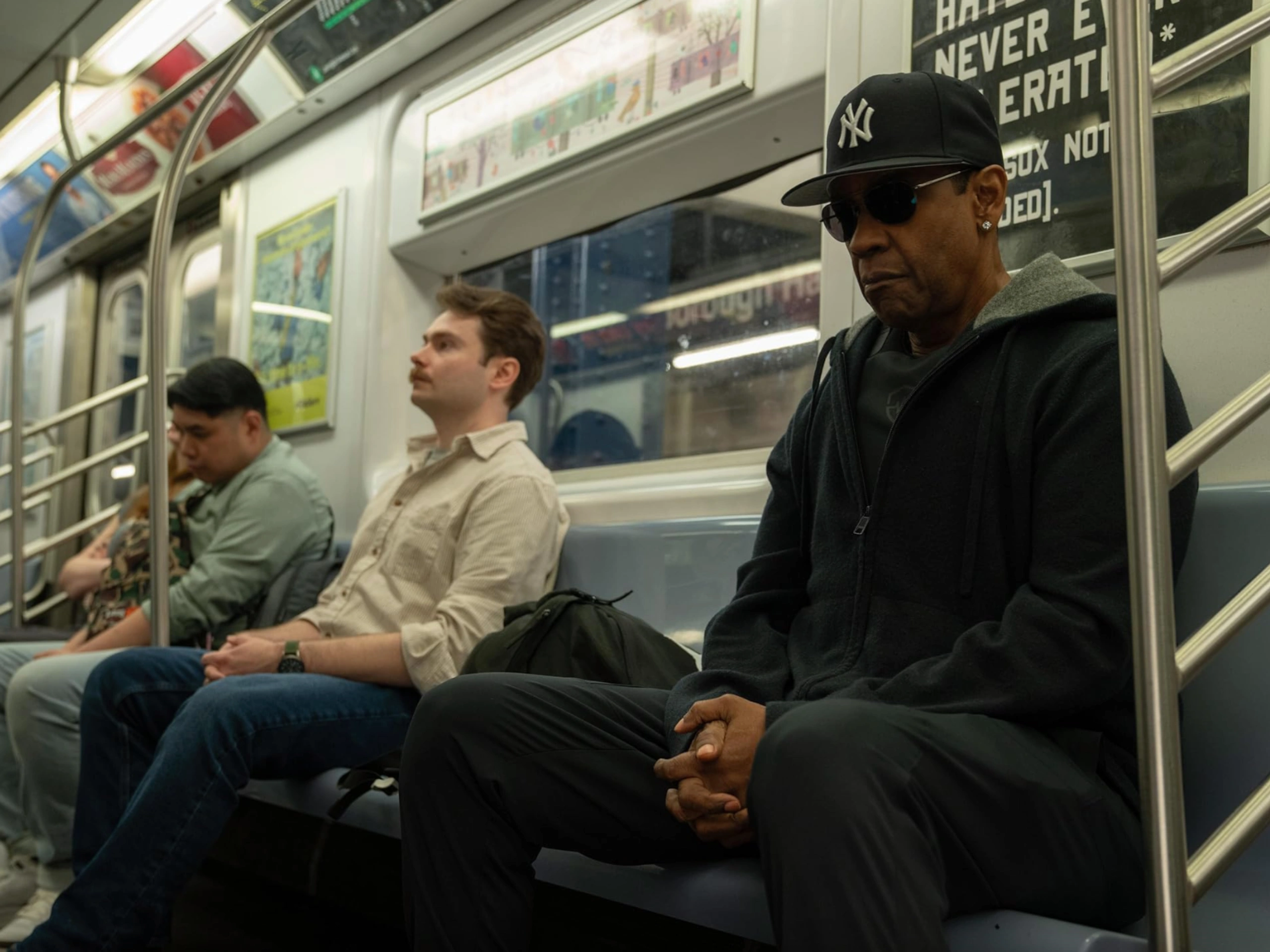
Spike’s Highest 2 Lowest, a politically loaded reimagining of Akira Kurosawa’s High and Low, received the most polarized reactions of the competition. Some viewed it as operatic and genius: “a jazz-soaked bullet of a movie,” as Sight & Sound called it. Others found the tonal swings jarring, especially when paired with Ice Spice’s surreal breakout role. But Denzel Washington, in a role that feels like a farewell lap, held it all together with haunted authority.
Eddington
by Ari Aster
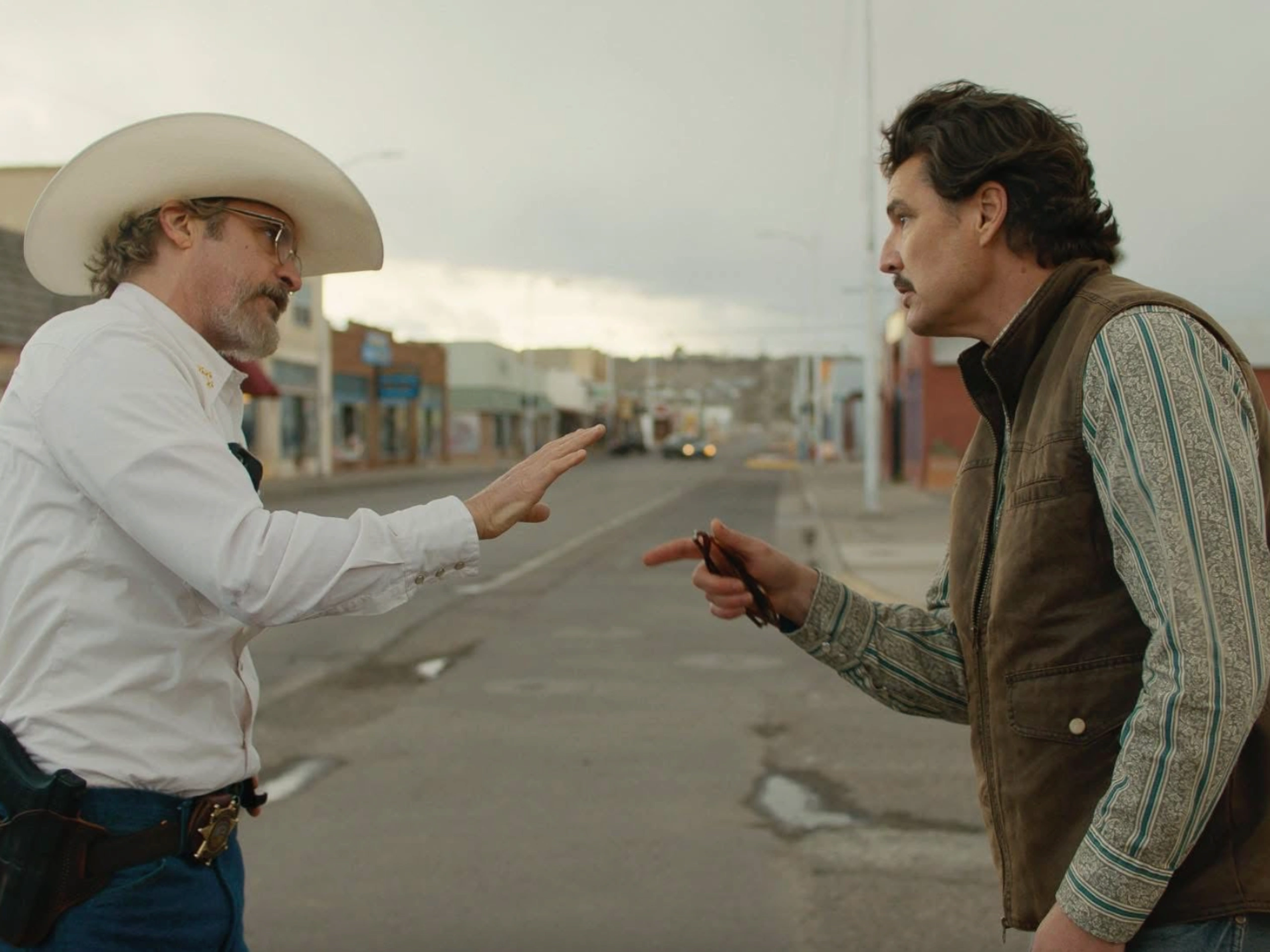
Despite its high-profile cast, Eddington remained the most divisive film in competition. Joaquin Phoenix’s performance was widely praised, but the film’s surrealist sprawl and tonal instability left some critics cold. Ari seems to be pushing further into abstraction, for some, that’s thrilling; for others, it’s a dead end. “A western written in plague language,” one Cannes programmer remarked, “and it dares you to keep up.”
Urchin
by Harris Dickinson
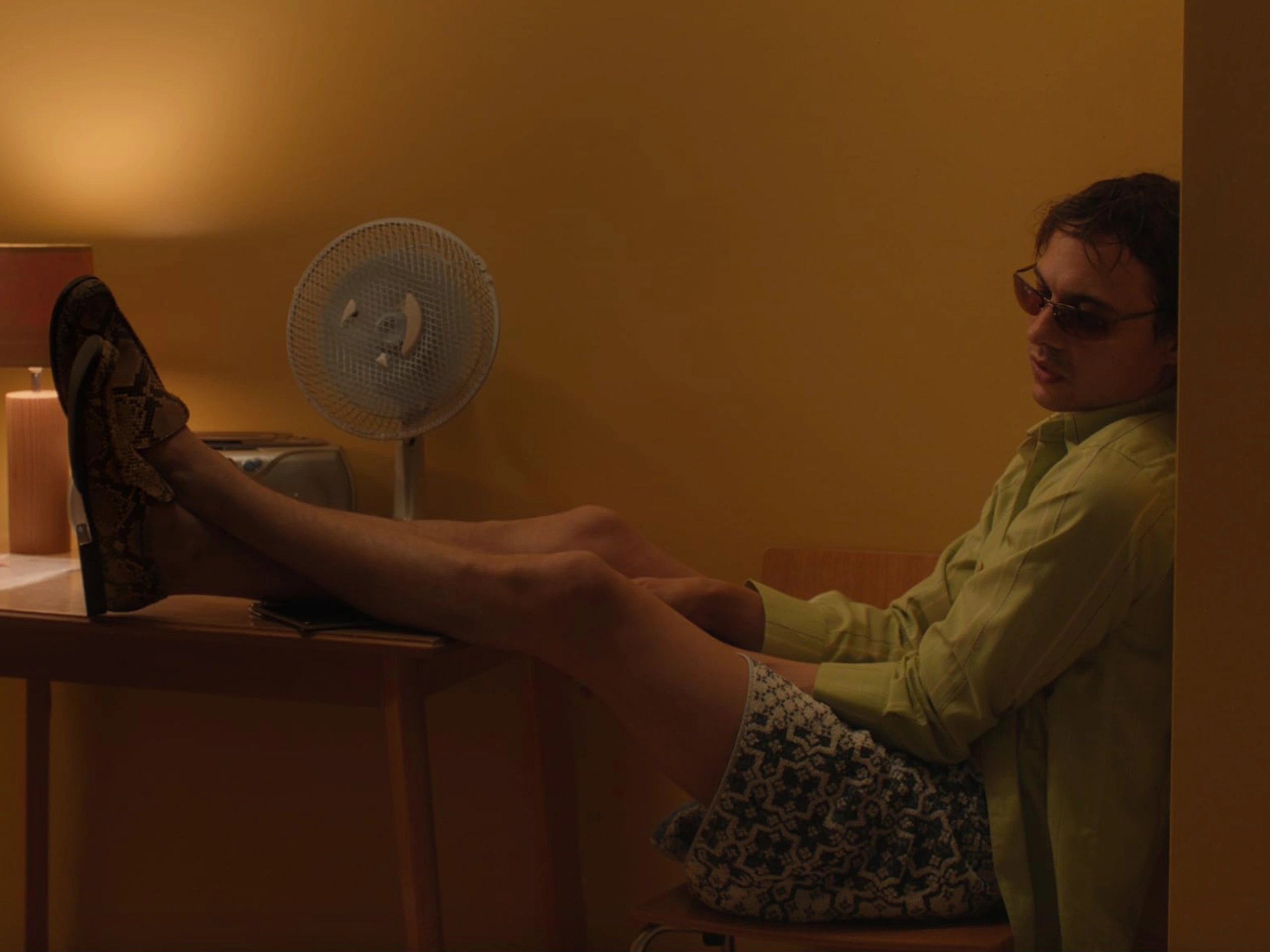
In his directorial debut, Harris delivered Urchin, one of the festival’s most raw and urgent films. Comparisons to early Ken Loach and Andrea Arnold were inevitable, and earned. Frank Dillane’s central performance as a disintegrating London drifter earned ovations, while Harris’ voice as a filmmaker, unvarnished and fiercely empathetic, now feels undeniable. A debut that could signal a major shift in his career.
Sentimental Value
by Joachim Trier
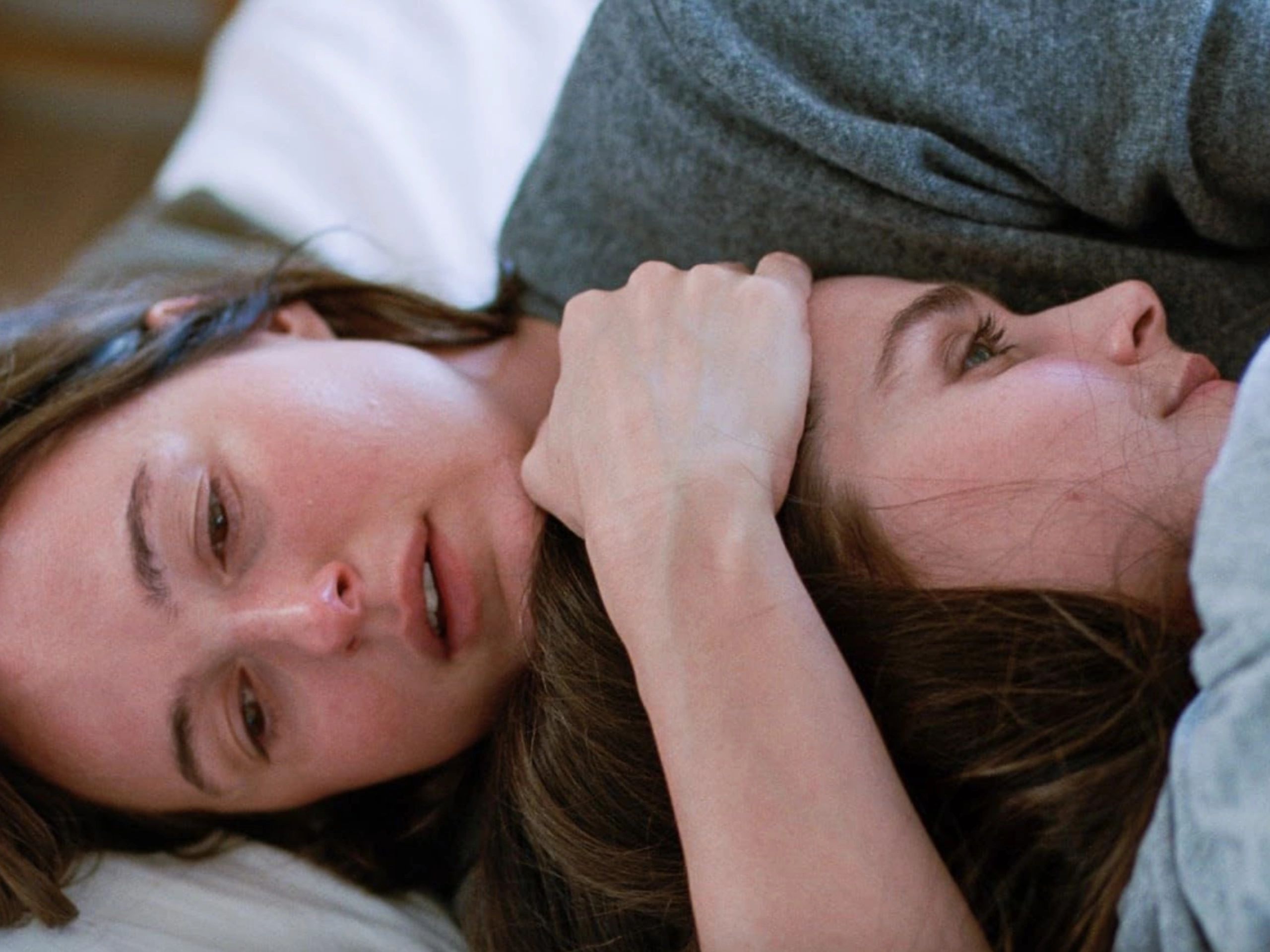
Joachim Trier’s return to Oslo melancholia was one of the early emotional centerpieces of the festival. Critics described it as “delicately layered” and “formally audacious,” praising Renate Reinsve’s performance as a filmmaker trying to reconcile her own grief through fiction. A late-night screening ended in hushed sobs and long lines for espresso. While some found the film too inward-facing, most agreed: Joachim remains one of the rare directors who can make artistic self-doubt feel like narrative propulsion.
Die, My Love
by Lynne Ramsay
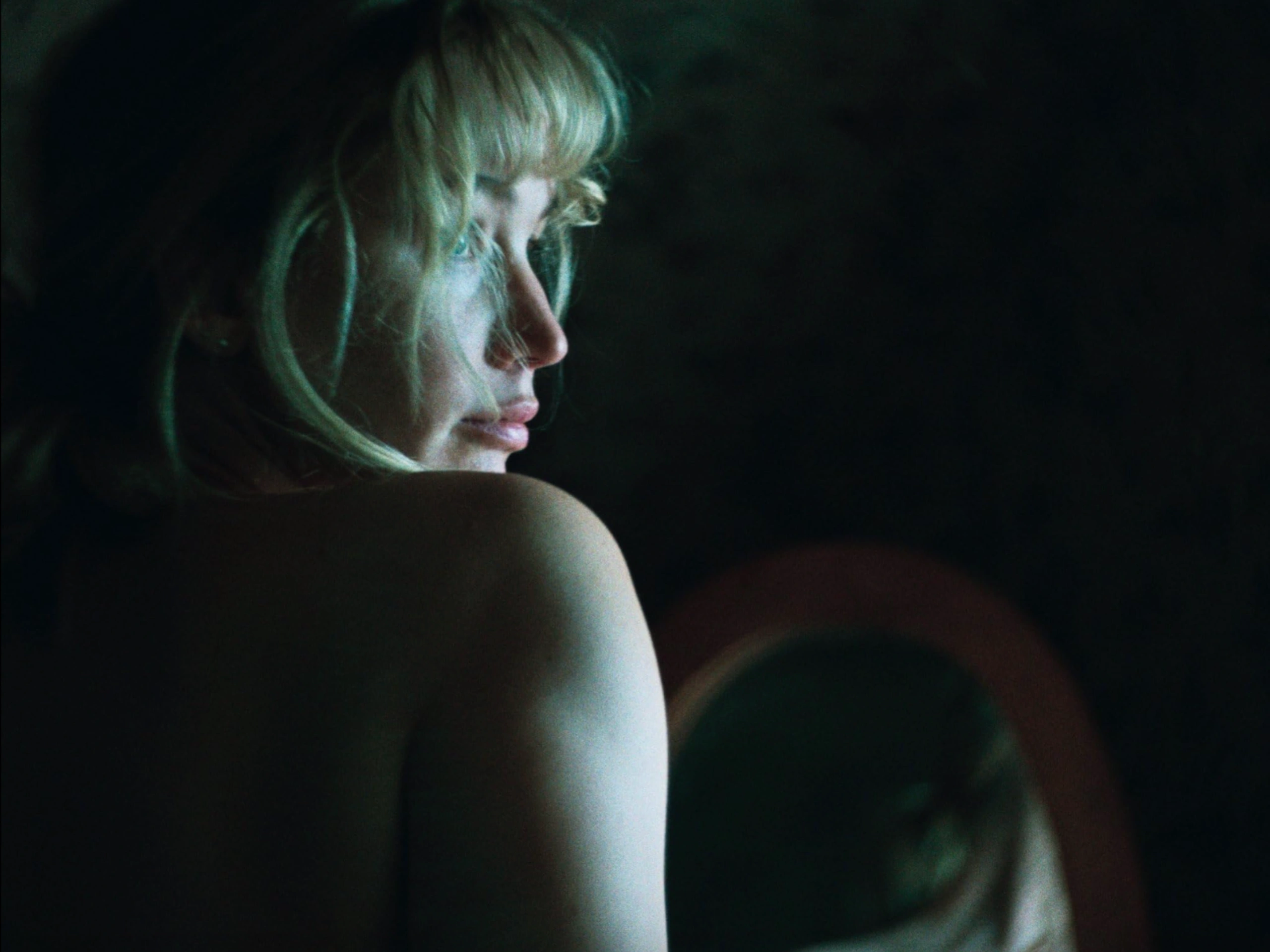
Die, My Love, Lynne’s feral adaptation of Ariana Harwicz’s novel, was the most emotionally destabilizing entry. Jennifer Lawrence, in what might be the most radical performance of her career, portrayed postpartum unraveling with nearly unbearable intensity. Some audience members walked out. Many more stayed, riveted. Robert Pattinson, understated as the husband who doesn’t quite understand, gave the film its chilling counterbalance.
Honey Don’t!
by Ethan Coen & Tricia Cooke
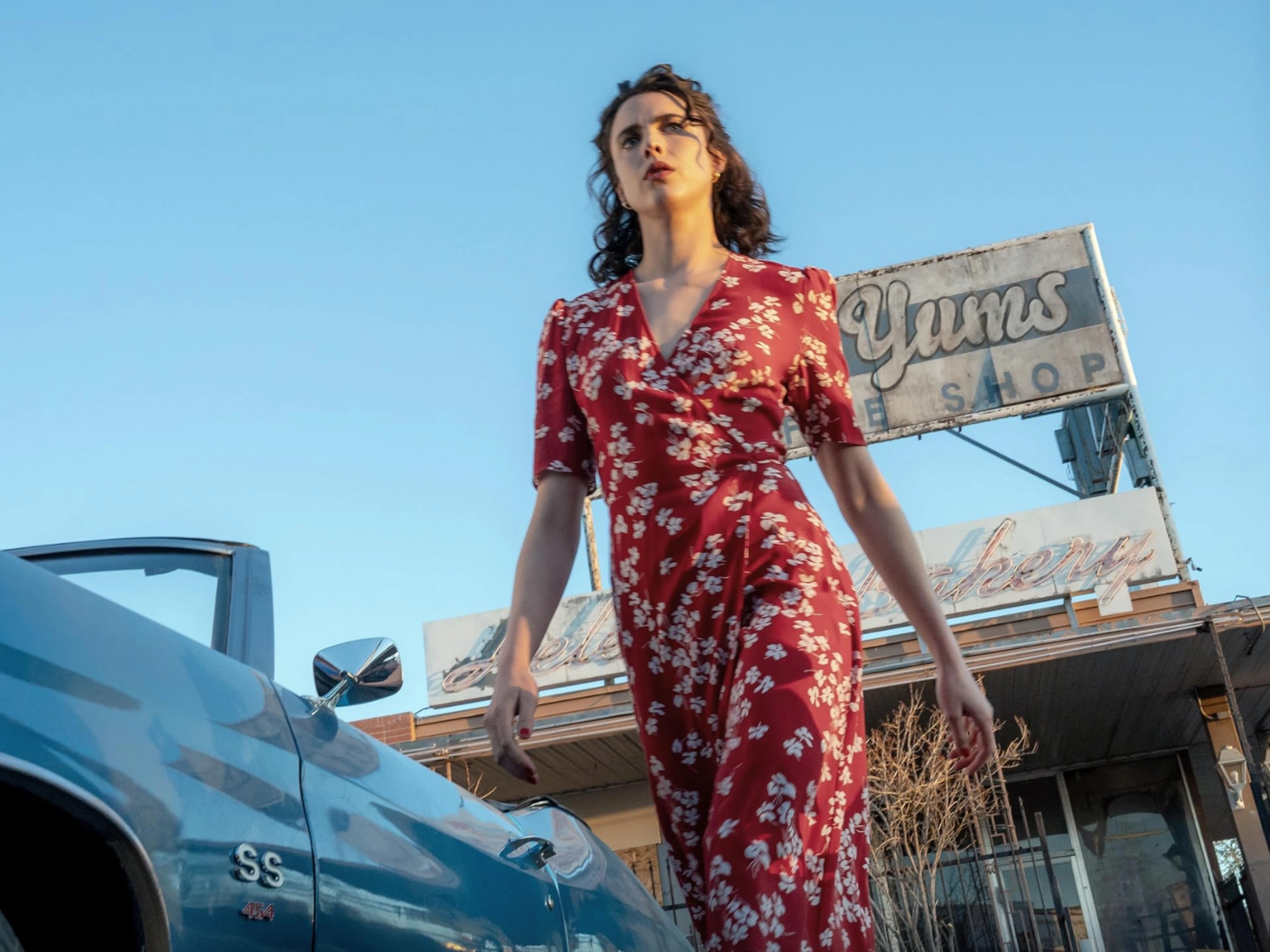
Finally, Honey Don’t!, the candy-colored lesbian noir from Ethan Coen and Tricia Cooke, was pure joy. Margaret Qualley proved again why she’s a generational talent, and Cannes audiences were more than happy to follow her through every neon-lit twist. Aided by a delightfully unserious tone and razor-sharp editing, the film became an instant cult favorite, with critics praising it as “screwball feminism in a Gucci suit.”
So ends another Cannes: with reverence, rebellion, a few unexpected flops, and several titles now destined for the long road to Oscar night. Whether the Croisette was truly changed by these films is up for debate. But they were seen, and, perhaps more importantly, they were felt.
Photos IMDB
Recommended Video