
Murder, Misogyny, and the Manosphere: Why Adolescence Is the Show Everyone’s Talking About
A boy is arrested for murder, the internet whispers in his ear, and Adolescence asks a question we’re too afraid to answer




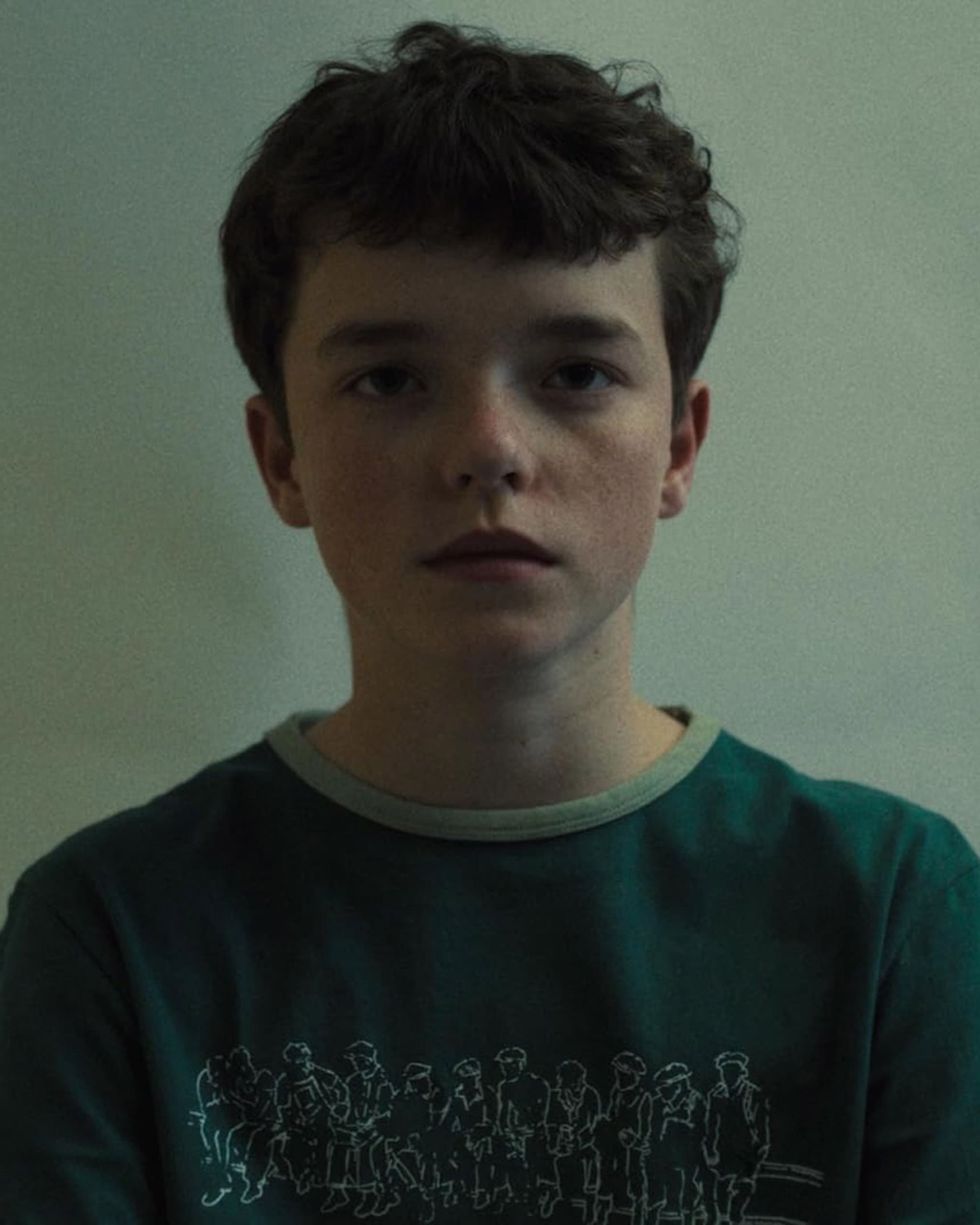
A horror story
In Adolescence—Philip Barantini’s devastating new crime drama—there’s a scene where Jamie Miller, a 13-year-old boy, sits in a sterile police interview room, hands clasped tightly together, waiting.
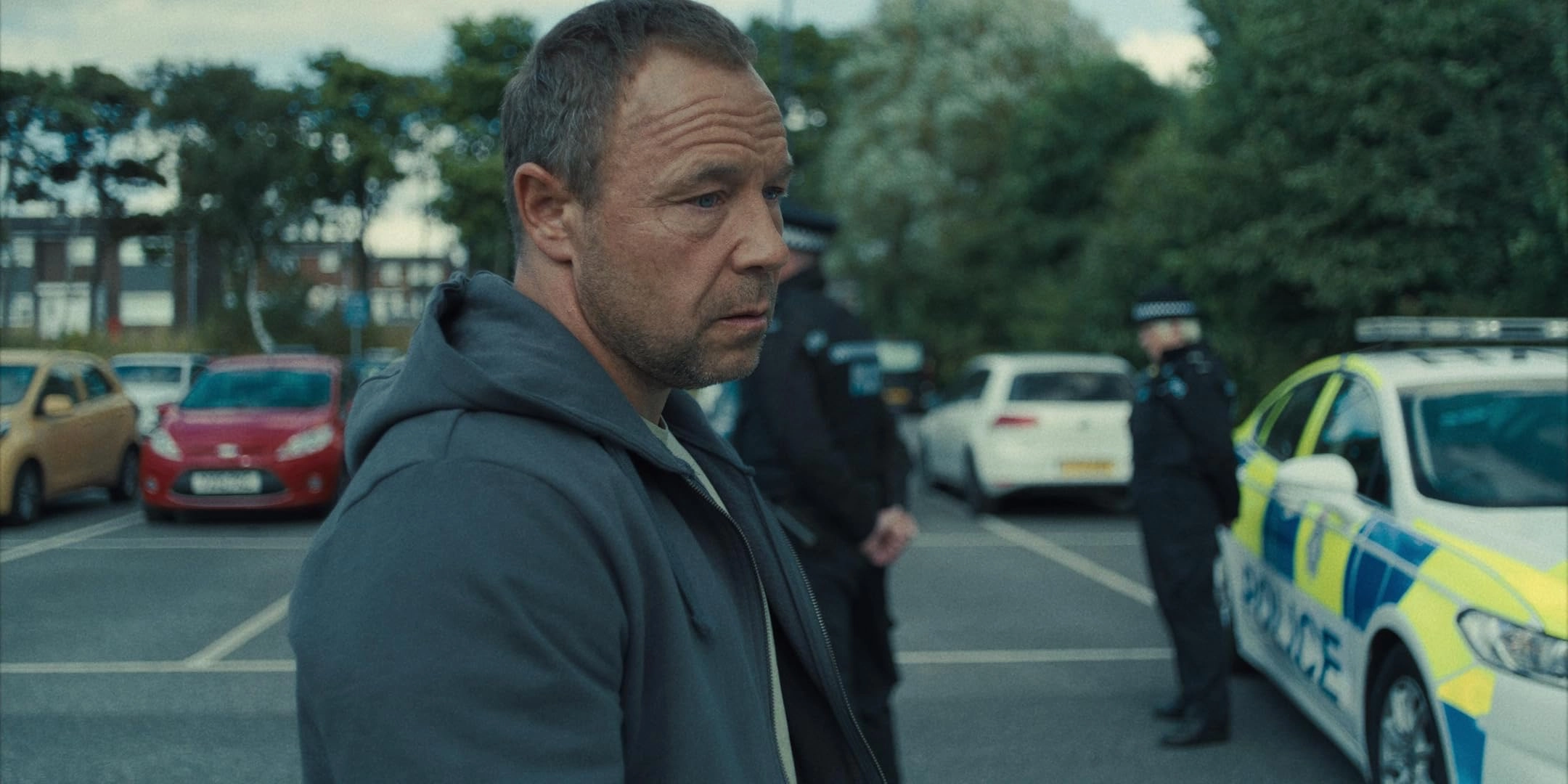
The silence in the room is unbearable, the fluorescent light hums. Outside, his father pleads with an officer for answers, his voice cracking under the weight of it all.
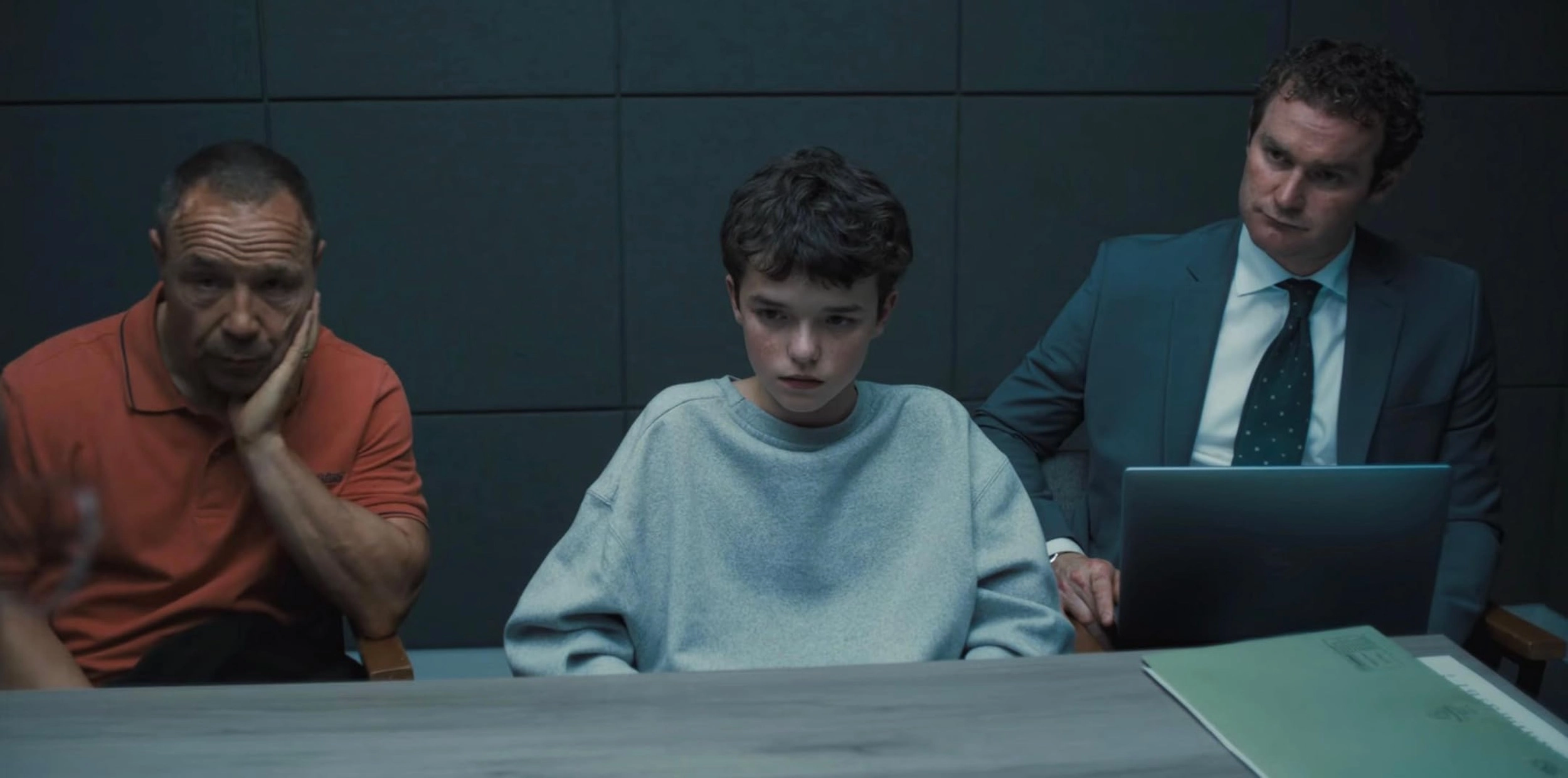
And inside, Jamie—who is accused of murdering his classmate Katie Leonard—stares blankly at the table, lost in a world that has chewed him up and spit him out long before this moment.
This isn’t just a crime story. It’s a horror story. A cautionary tale of a boy failed in too many ways.
Social media as the perfect storm
Philip, known for his unrelenting storytelling (Boiling Point fans, you already know), crafts a series that is as immersive as it is painful. You don’t watch Adolescence so much as you endure it.
The show is raw and relentless in its portrayal of the way the internet—specifically, social media—can warp a young boy’s mind while the adults around him remain criminally oblivious.
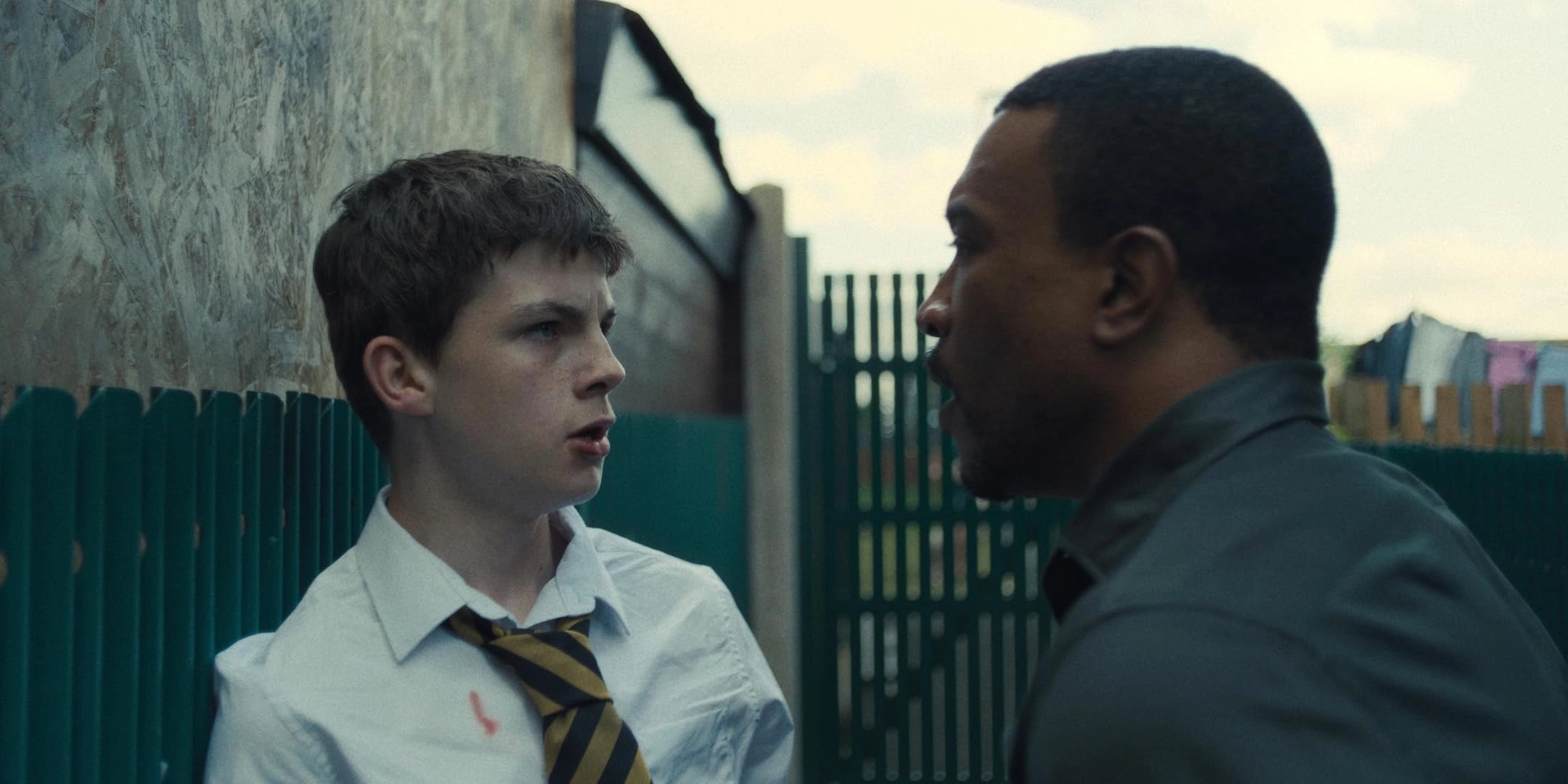
Jamie has been bullied for years, tormented online by his peers. His Instagram comments are a battlefield, filled with messages calling him ugly, unlovable, an incel.
It’s easy to see how he starts to believe it. And when he does, when his worldview hardens and his pain turns into something darker, it’s too late to stop what’s coming. The show doesn’t excuse him, but it does force us to ask: Who failed Jamie first?
The manosphere problem
Adolescence isn’t based on one true story, but it comes at a time of heightened awareness about the link between online misogynistic worldviews and acts of violence or mass terrorism.
While interest in the series continues to grow, the show has also exposed just how far manosphere dread goes online, sparking conversations about who falls for it—and who gets hurt in the process.
Andrew Tate is perhaps the most recognizable face in the manosphere, well known for his misogynistic social media posts advocating for violence against and subjugation of women.
His name has become shorthand for how deeply entrenched misogynistic views have become in online spaces. But while Adolescence references him briefly, the creator made the conscious decision not to single him out.
Instead, the series portrays radicalization as a systemic problem—one that isn’t about one single figure, but rather an entire ecosystem that latches onto vulnerable boys and pulls them under.
The adults who weren’t paying attention
Perhaps the most devastating part of Adolescence is its indictment of the adults in Jamie’s life—the teachers who brush past the signs, the parents who assume their son is just “going through a phase,” and the police who show up only when it’s far, far too late.
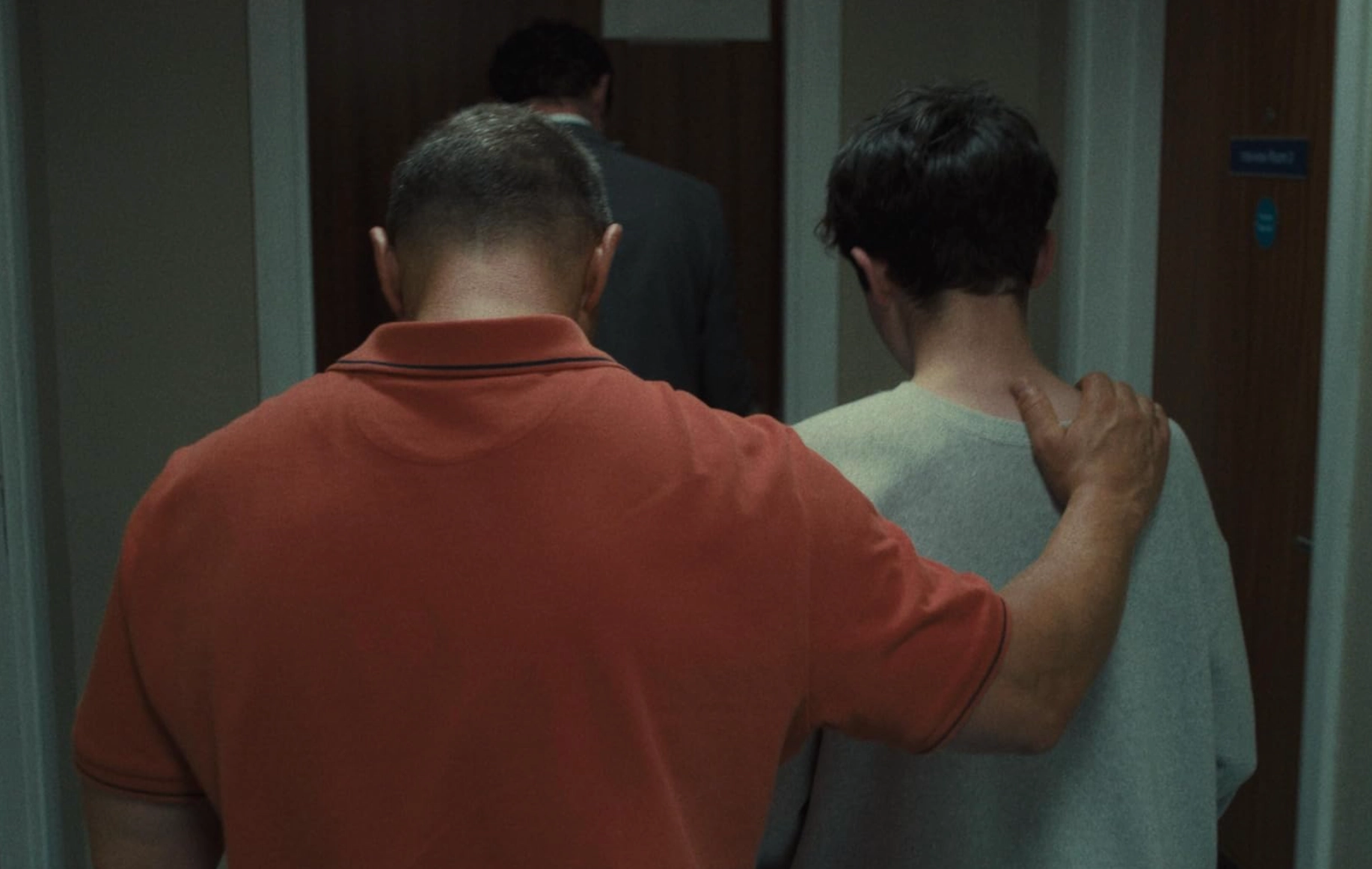
The show’s message is clear: this isn’t just a story about Jamie. It’s about a system that doesn’t know how to protect its kids.
And maybe that’s the scariest part of all.
If you’re looking for something easy or palatable, this isn’t it. But if you want something that forces you to sit in discomfort, to wrestle with the things we’d rather ignore, Adolescence is essential viewing.
Watch it. And then talk about it.
Photos courtesy IMDB

Recommended Video