
Tell Me Your Le Labo Scent, and I Will Tell You Who You Think You Are
The scent you wear is a signal of who you think you are, or at least, who you’d like everyone else to believe




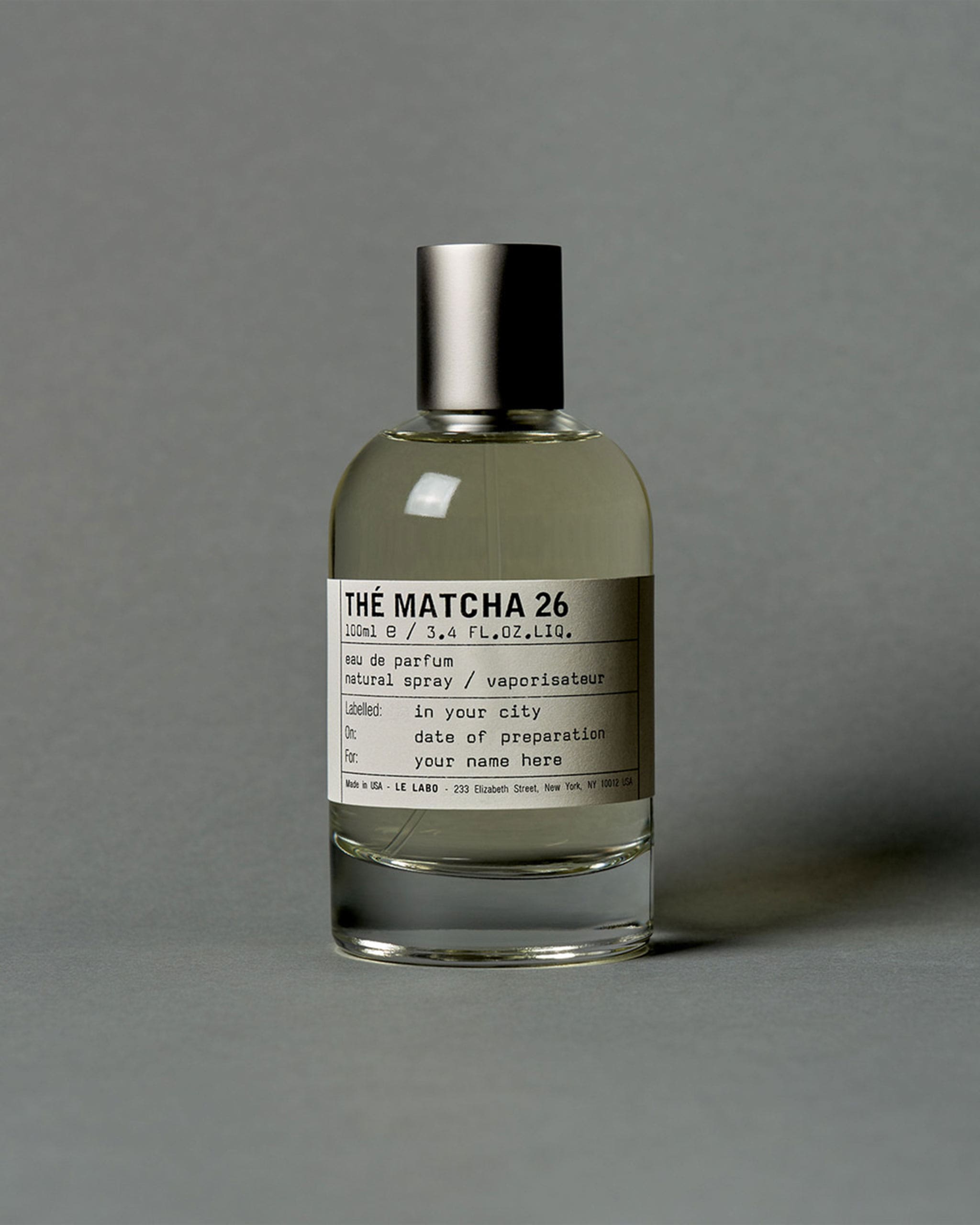
There are two kinds of men in the world: those who wear Le Labo, and those who haven’t yet been converted.
The first group moves through life with an air of casual sophistication. They sip their coffee black, unless it’s matcha, in which case it’s ceremonial grade and meticulously whisked. The second group, well, they just smell like soap.
But you? You’ve made your choice. You’ve leaned into the olfactory microcosm of Le Labo, and whether you know it or not, your scent says everything about you.
Santal 33
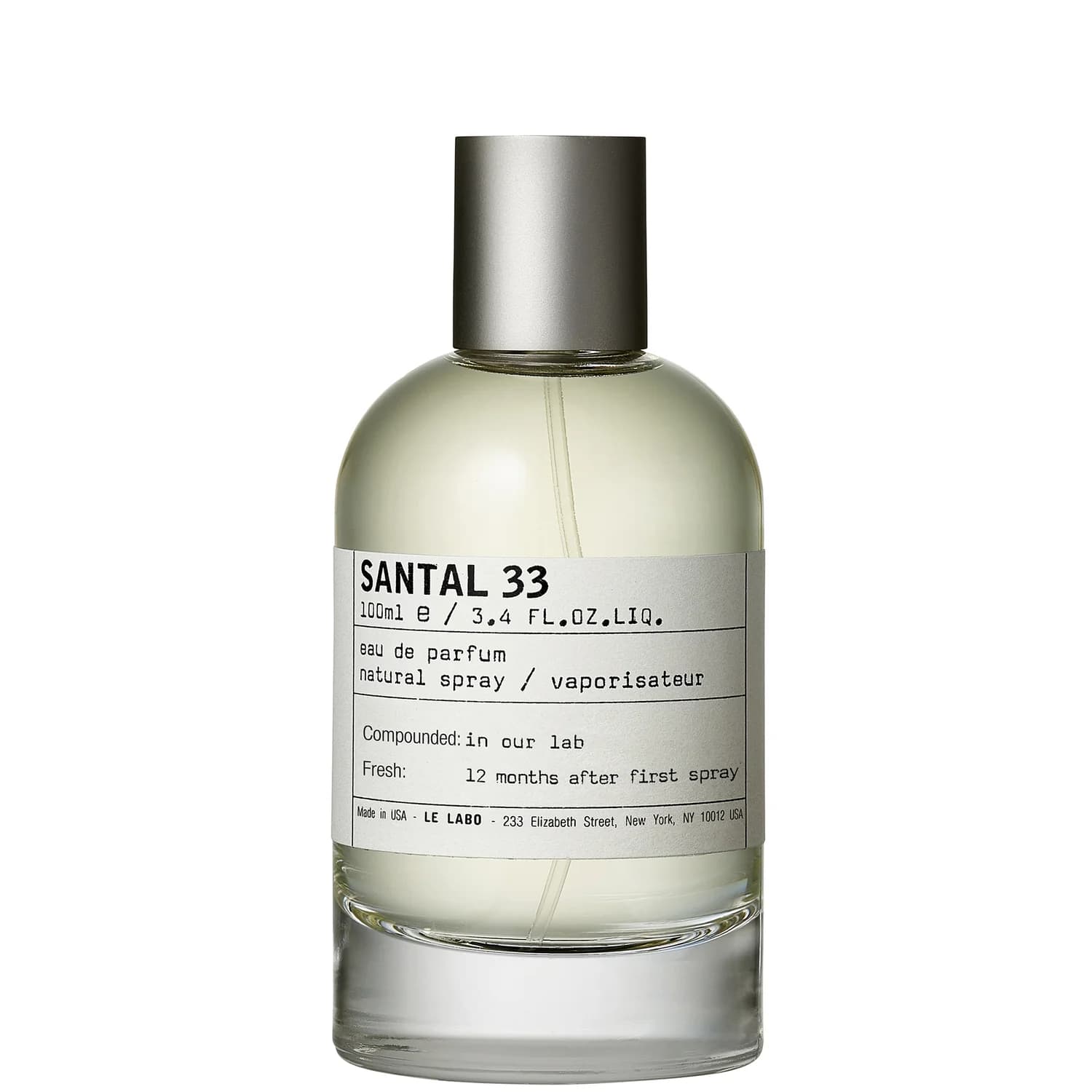
You were there first. Or at least, you tell yourself that. Maybe you discovered it in 2017, before every creative director and art school graduate claimed it as their signature. You love the idea of being enigmatic. You keep telling yourself you’ll switch scents soon. But you won’t.
Another 13
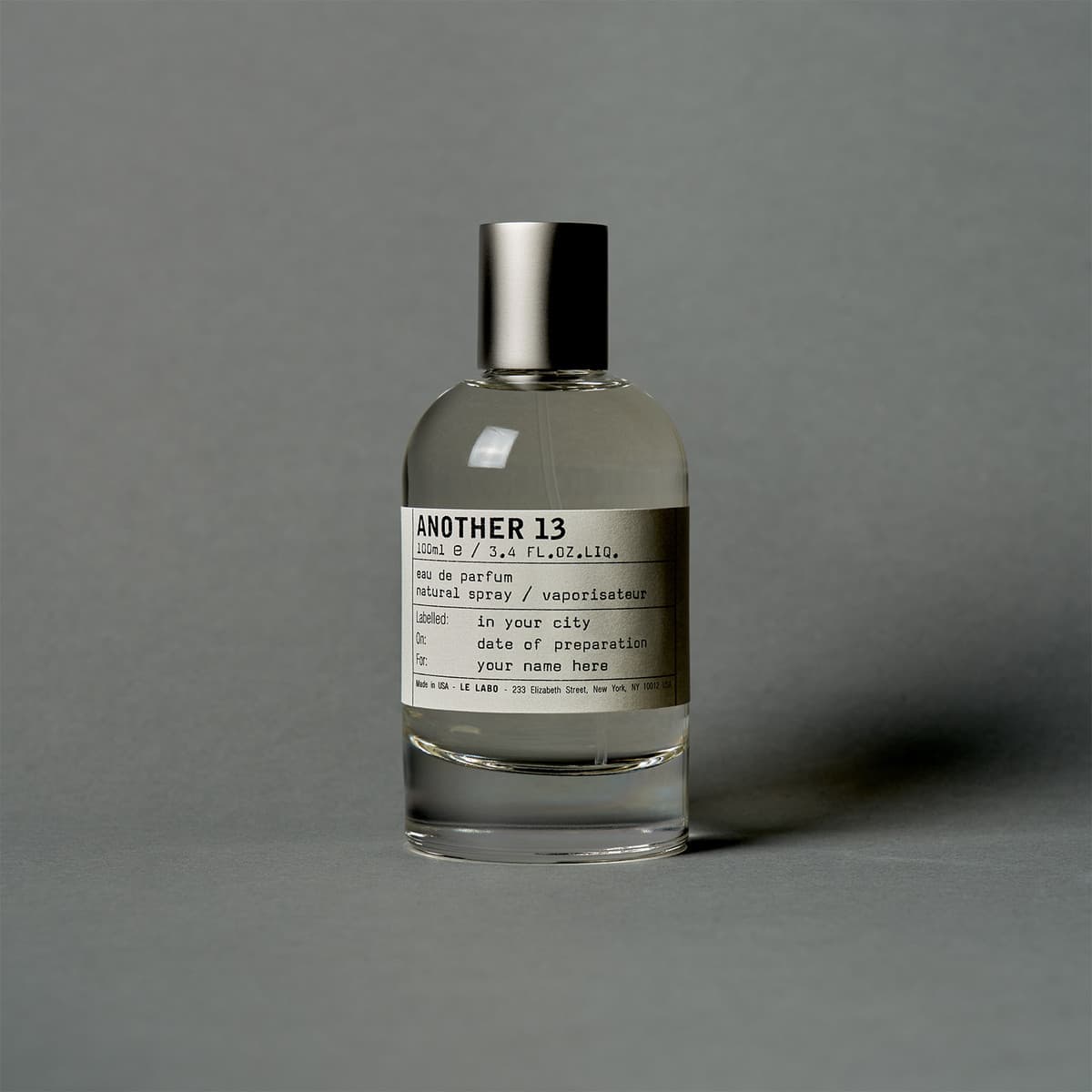
People say they can’t smell it on you, but somehow they always know you’re wearing it. You like that. You say you hate being perceived, but you love a well-placed compliment. Your best friend says you should go to therapy. You tell them you’re working on it.
Thé Noir 29
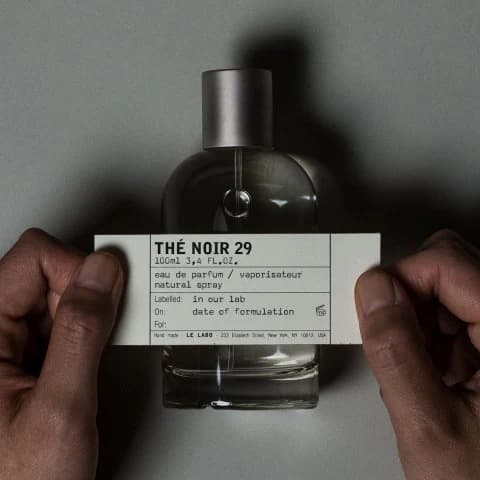
You’re either a poet or a musician, or you wish you were. You collect first editions. You believe in grand gestures, but you’ll never admit it. You romanticize cloudy days, handwritten notes, and the concept of leaving town suddenly, as if anyone is keeping you here.
Matcha 26
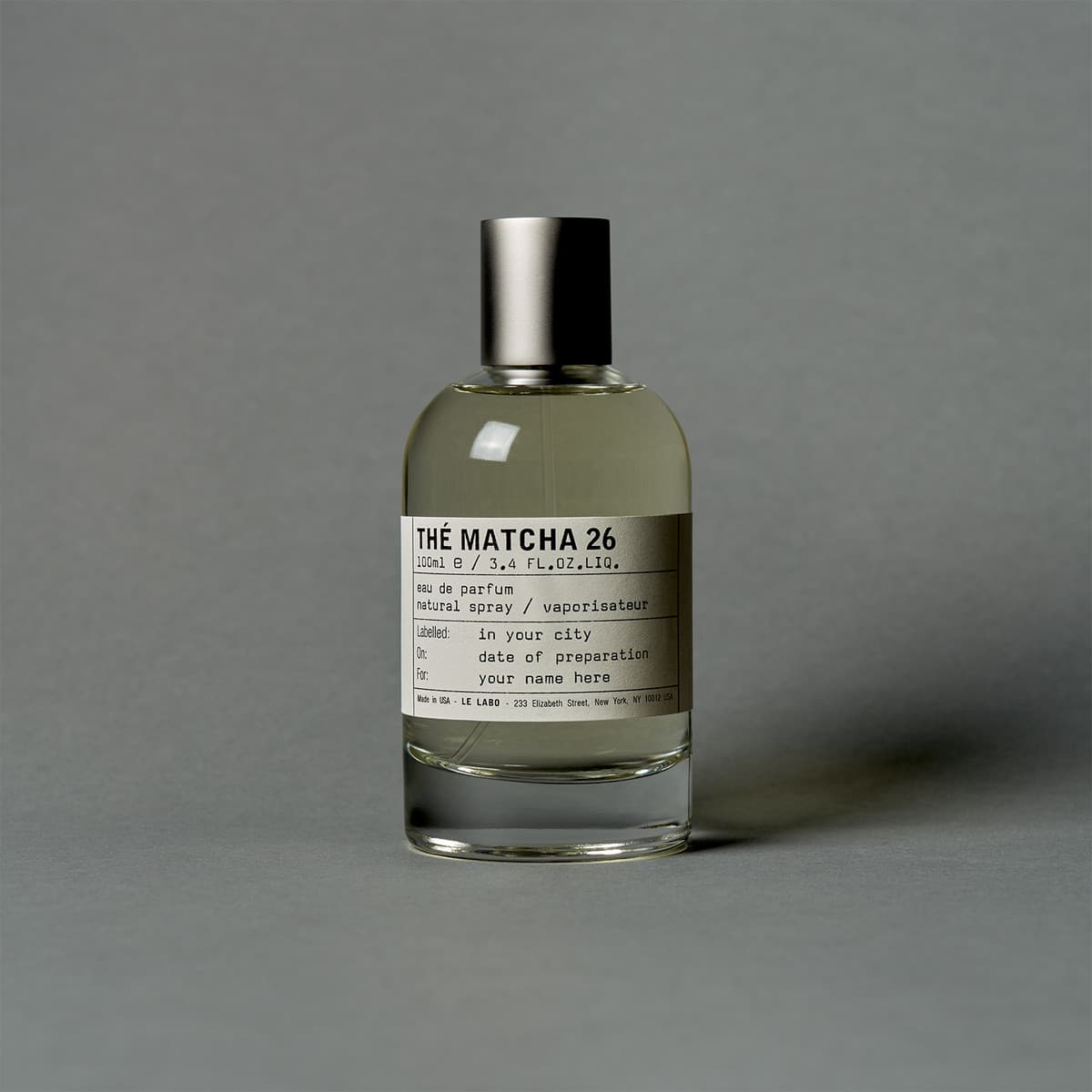
You own at least one linen set. You’re into pottery, meditation, and very expensive incense. You have a tote bag from a museum gift shop, and you actually read the book it references. You think a lot about your carbon footprint.
Bergamote 22
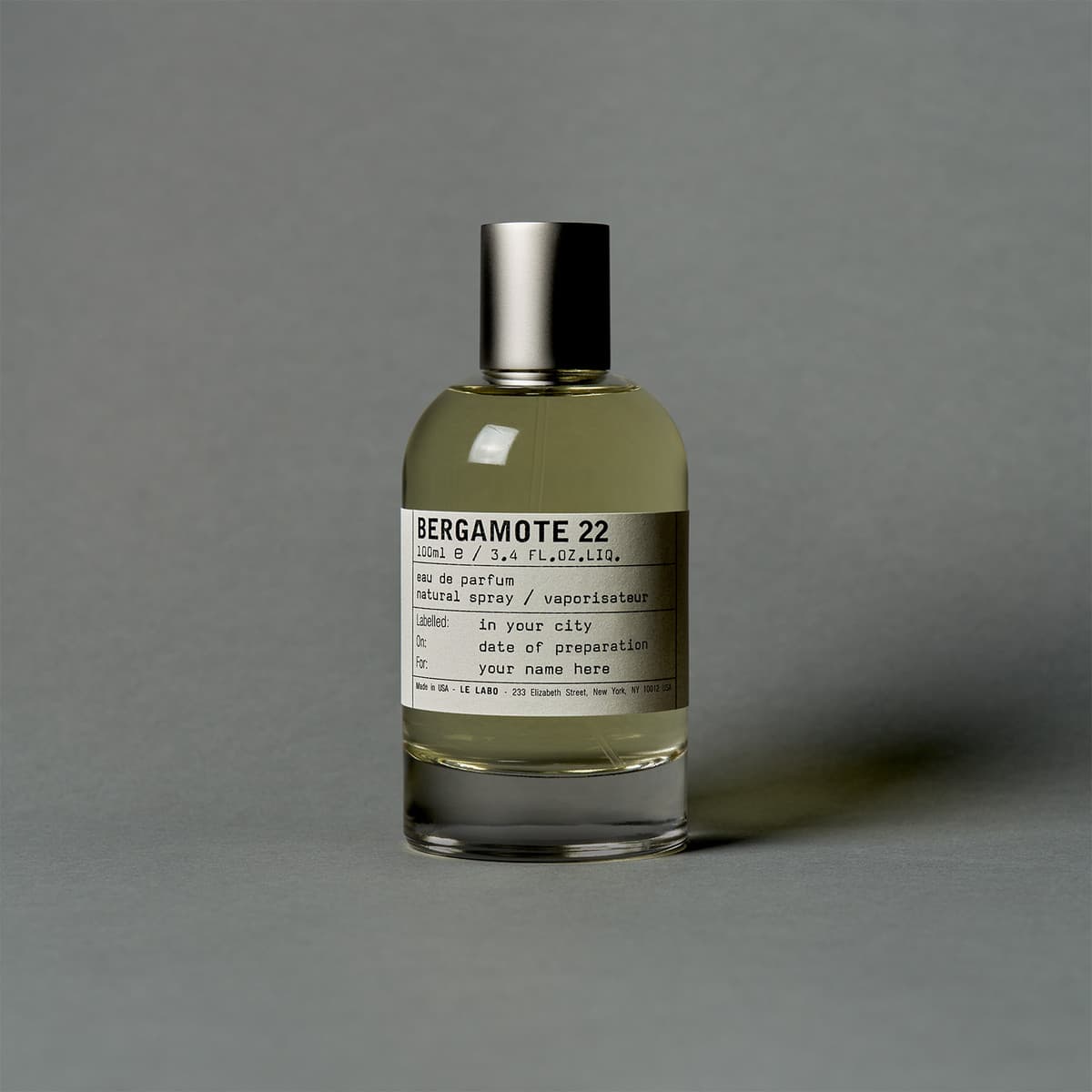
You drink tequila sodas, wear vintage sunglasses, and know exactly how to navigate a last-minute weekend trip. You’ve never made a dinner reservation in your life, but you always get a table.
So, which one are you? Or rather, who are you trying to be? A perfume is a carefully curated aesthetic and a whisper of the person you’d like the world to believe you are. Or maybe, you just like smelling good. But where’s the fun in that?
You can find Le Labo and shop the New York-based fragrance at Greenbelt 5 and SM Mall of Asia in the Philippines.
Frequently Asked Questions
Santal 33 wearers tend to project an identity built around being ahead of the curve — drawn to the fragrance before it became ubiquitous among creatives, and privately reluctant to move on despite its wide adoption.
Another 13 wearers occupy a studied contradiction — claiming indifference to being noticed while gravitating toward a scent so subtle it creates presence without announcement, often self-aware enough to be in therapy or at least discussing it.
Thé Noir 29 appeals to a romantic and literary sensibility — people who collect first editions, romanticize overcast weather, and identify either as poets or musicians, or wish they did.
Matcha 26 signals a deliberate, mindful aesthetic — linen, pottery, museum tote bags — while Bergamote 22 projects effortless spontaneity: a man who never plans ahead but always lands well, tequila soda in hand.
Le Labo is available in the Philippines at Greenbelt 5 and SM Mall of Asia, where the full fragrance range including Santal 33, Another 13, Thé Noir 29, Matcha 26, and Bergamote 22 can be found.

Recommended Video